American Museum of Natural History
About
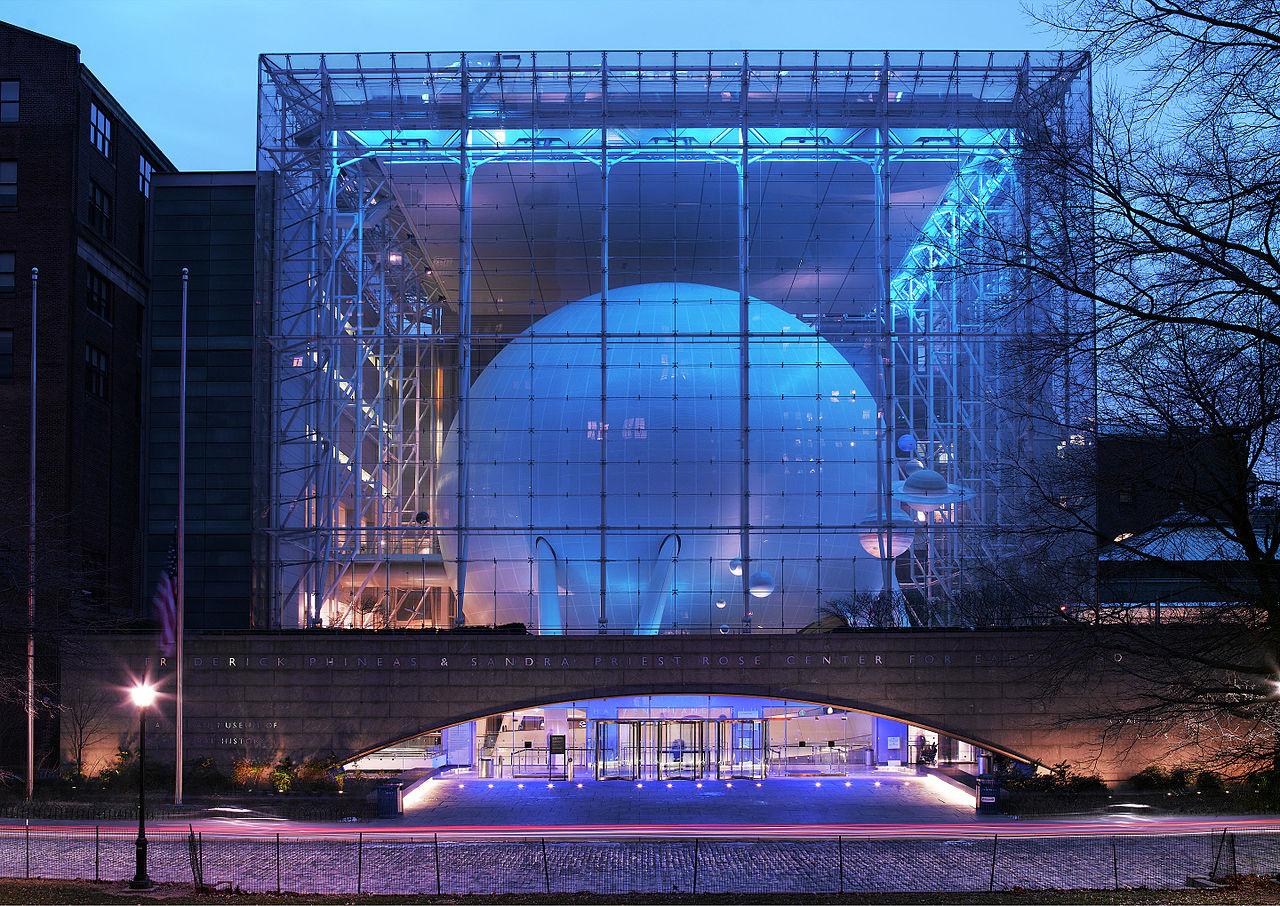
The American Museum of Natural History on Manhattan's Upper West Side is one of the largest and most comprehensive natural history museums in the world, housing more than 34 million specimens and cultural artifacts across 45 permanent exhibition halls. Founded in 1869, the museum has been a center of scientific research and public education for over 150 years, conducting active fieldwork and publishing significant findings across paleontology, anthropology, astrophysics, and biology. The museum's fossil halls are globally celebrated, containing some of the most significant dinosaur specimens ever mounted — including the largest freestanding dinosaur skeleton in the world (a Patagotitan mayorum) and an unparalleled collection of theropods, sauropods, and early mammals. The Hall of Ocean Life features a 94-foot blue whale model suspended from the ceiling in a darkened hall, one of the most iconic museum environments in the world. The Rose Center for Earth and Space houses the Hayden Planetarium, which presents digital sky shows on a 67-foot sphere suspended within an enormous glass cube. The cosmic pathway spiraling around the Rose Center walks visitors through 13 billion years of cosmic history in the time it takes to walk a few hundred feet. For homeschoolers, the museum offers exceptional self-guided and program-based learning across virtually every scientific discipline. New York State residents may pay what they wish for general admission; visitors from elsewhere pay a fixed admission price.
Subject Areas
Best For
Hours of Operation
Open daily 10 a.m.–5:30 p.m. Free last hour (4:30–5:30 p.m.) for general admission. Closed Thanksgiving and Christmas.
Hours change seasonally — verify before visiting.
Admission
Paid admissionNew York State residents may pay what they wish for general admission. Non-residents pay fixed general admission (~$28 adults). Planetarium and special exhibitions require separate tickets.
✓ Membership available