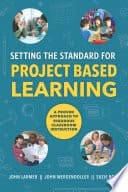
Our Guide to Project-Based Learning
Learning by Making Something Real
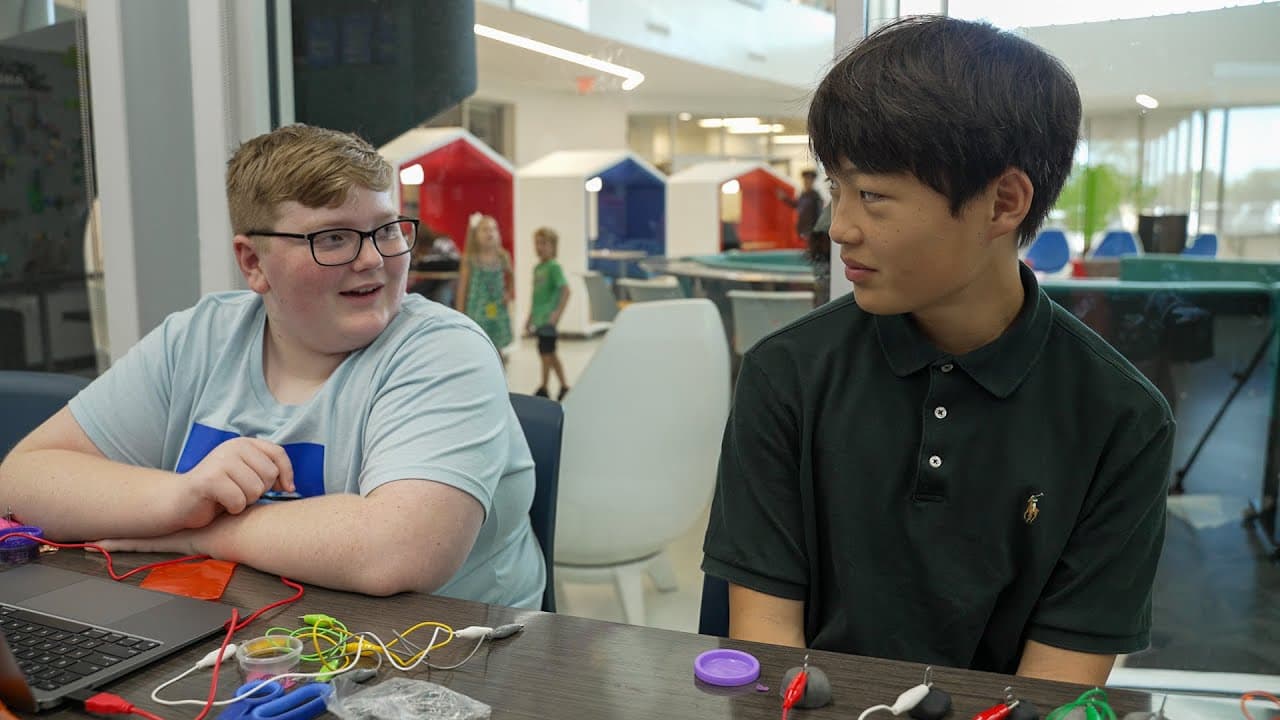
Every adult knows the difference between studying for a test and preparing for something real — a presentation to clients, a wedding toast, a kitchen renovation. The real thing focuses the mind, pulls in knowledge from everywhere, and stays with you. Project-based learning is built on the observation that children are no different. Instead of studying watersheds from a chapter and answering the odd-numbered questions, a PBL class might spend six weeks investigating why the creek behind the school floods, interviewing the county engineer, building models, and presenting recommendations to the town council. The content is the same — hydrology, math, writing, civics — but it is learned because it is needed.
The idea is old: John Dewey argued a century ago that education is not preparation for life but life itself, and William Kilpatrick formalized 'the project method' in 1918. What is new is the sophistication. Modern PBL, as developed by organizations like PBLWorks and demonstrated at schools like High Tech High, is not 'doing a project' at the end of a unit — the diorama after the real learning. It is the project as the unit: launched with a driving question, sustained by genuine inquiry, revised through critique, and culminating in work presented to an audience beyond the teacher.
What Separates Real PBL from Poster Board
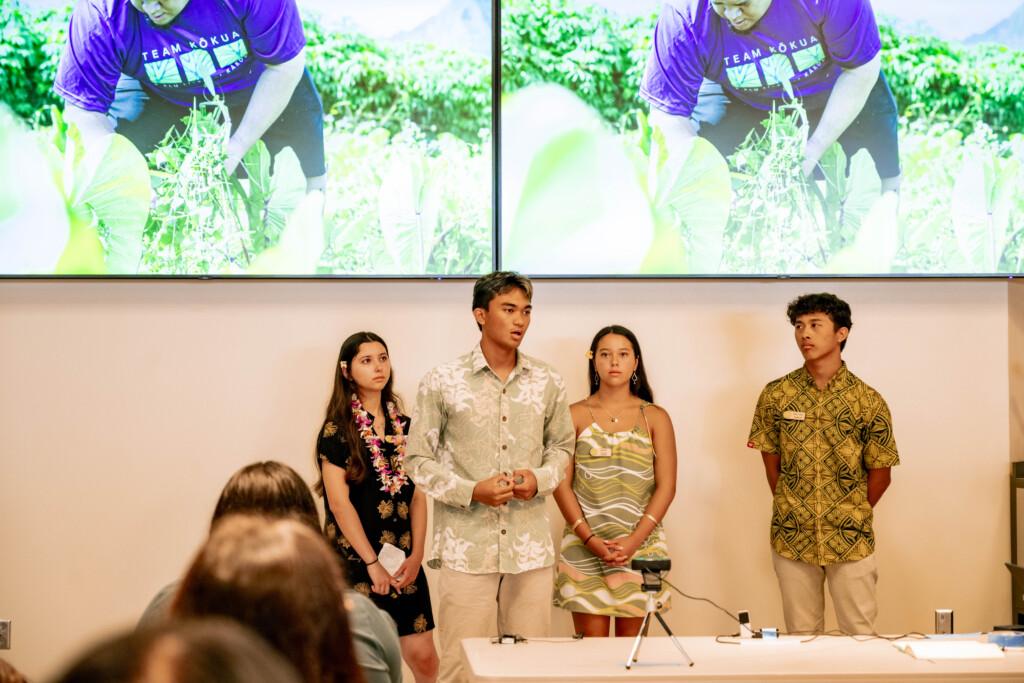
The distinction matters because the label is applied to everything. Rigorous PBL has recognizable load-bearing walls. A driving question that is genuinely open ('How should our town prepare for bigger storms?') rather than a topic in disguise. Sustained inquiry — students hitting the limits of what they know and needing instruction, which the teacher supplies at the moment of need, when it finally has somewhere to land. Critique and revision — the practice, borrowed from studios and workplaces, of drafting, receiving structured feedback, and producing multiple versions, which is where most of the learning compounds. And an authentic audience: work that will be seen by the city council, the school community, or the internet is work children voluntarily polish.
When any of these is missing, PBL degrades into the 'dessert project' — decoration after traditional instruction — or, worse, into weeks of pleasant busywork with glue sticks. Parents evaluating a PBL school should ask to see the driving questions from last semester and examples of first drafts next to final drafts. The gap between draft one and draft four is the single most honest indicator that real project-based learning is happening.
The Trade-offs, Stated Plainly
PBL's genuine weakness is sequential skill-building, and math is where it shows. Multi-week interdisciplinary projects are superb at teaching research, writing, collaboration, and applied science, but arithmetic fluency and algebraic manipulation are cumulative skills that resist being fully covered by even well-designed projects. The strongest PBL schools are candid about this and run systematic math instruction alongside project time rather than pretending the projects carry it all. A school that claims its projects 'naturally cover' all of K-12 math deserves polite skepticism.
The second trade-off is dependence on facilitation quality. A great project requires design skill — scoping the question, anticipating the knowledge students will need, orchestrating critique — that is a genuine craft. In skilled hands, PBL produces engagement most classrooms never see; in unskilled hands, it produces group work in which one diligent child does everything while three coast. Group-size and individual-accountability structures are learnable teacher moves, and their presence or absence is visible within minutes of watching a classroom.
PBL for Homeschoolers
Home education may be PBL's most natural habitat, because the constraints that make it hard in schools — bell schedules, thirty students, standardized pacing — do not exist at your kitchen table. A homeschooled child's genuine question can become a month of integrated learning with a real product at the end: raising chickens becomes biology, carpentry, spreadsheet economics, and persuasive writing (the pitch to skeptical parents being the most authentic audience there is). The parent's role is the same as the PBL teacher's: help scope the question, supply instruction when the project demands it, insist on drafts and revision, and find the audience — the 4-H fair, the farmers market, the grandparents, the neighborhood.
Start smaller than feels impressive. One two-week project with a real product and one outside viewer teaches you the rhythm; an overambitious six-month epic that collapses in week three teaches everyone to dread the word 'project.' Keep a simple portfolio — photos, drafts, the final product — both because documentation deepens learning and because it doubles as homeschool record-keeping. The resources tagged on this page include the best project-design frameworks; they were written for teachers, but translate directly to the home.