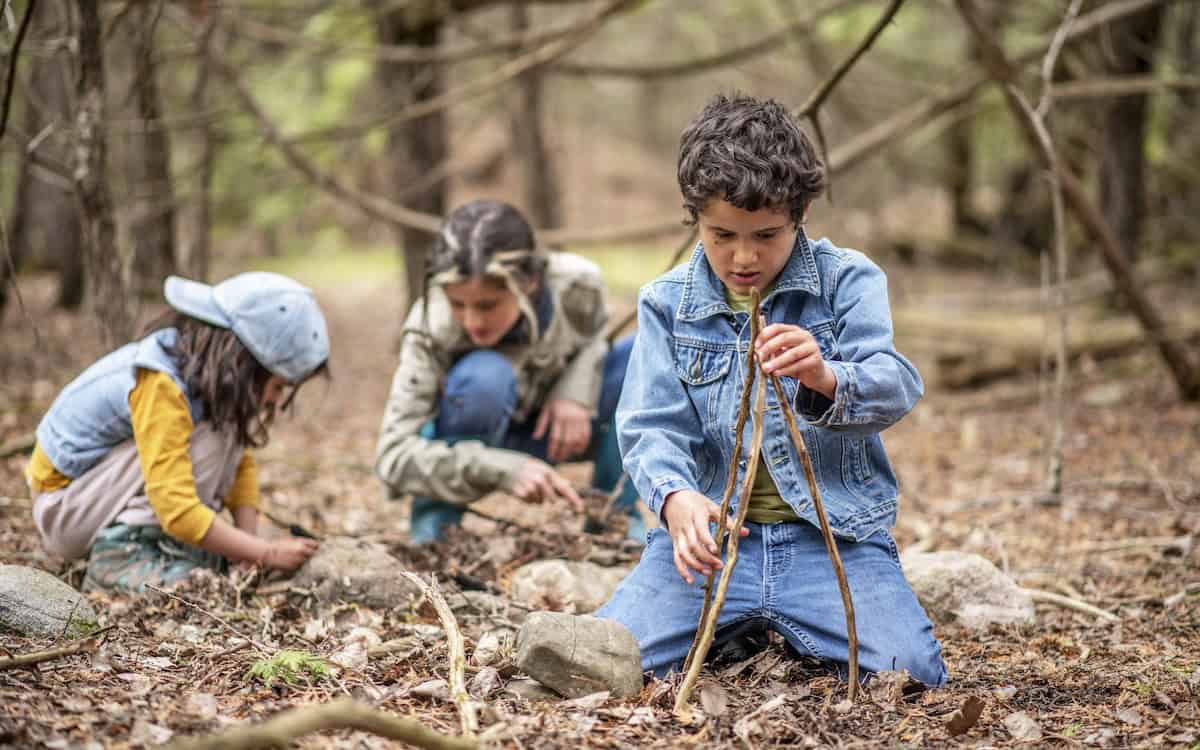
Forest Schools Are Growing Faster Than Any Other Alternative in the UK
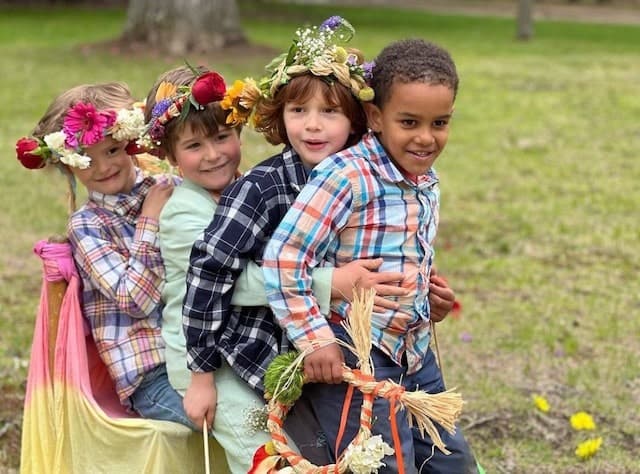
The number of registered Forest School practitioners in the UK has tripled in five years. What's driving the surge, and what does quality outdoor education actually look like?
For
Families with children in traditional elementary school years.
52 resources tagged for this audience
The number of registered Forest School practitioners in the UK has tripled in five years. What's driving the surge, and what does quality outdoor education actually look like?
Charlotte Mason's concept of living books — narratives written with passion and expertise — forms the backbone of her educational philosophy. Here's how to identify and use them.
Waldorf schools have long resisted screens in education. Now, with tech CEOs sending their own kids to screen-free schools, the philosophy is attracting renewed mainstream attention.
Virtual academies, online co-ops, and hybrid programs have exploded since 2020. Here are the most reputable options at every grade level and price point.
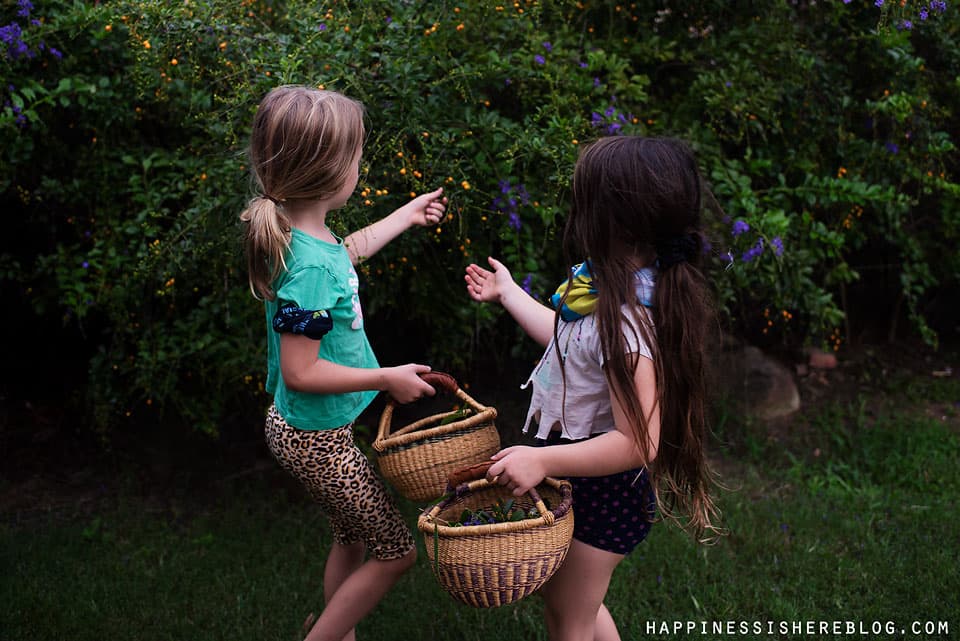
Decades of research link outdoor unstructured play to improved attention, reduced anxiety, and stronger executive function. Educators are finally catching up.
Profoundly gifted children often struggle in standard classrooms — and many twice-exceptional kids (2e) face even greater challenges. Parents and researchers share what actually helps.
Eclectic homeschoolers borrow from Montessori, Charlotte Mason, classical, and unschooling to create a custom approach. More families are choosing it than any single methodology.
Co-ops let homeschooling families share teaching responsibilities, resources, and social time. Here's how to find one, join one, or start your own.
A detailed walkthrough of the Waldorf curriculum from Class 1 through 12, including the distinctive integration of arts, movement, and academics at each developmental stage.
Can you homeschool a child with an IEP? Do you keep special ed services? The answers depend on your state — this guide untangles the key questions.
From Abeka to Sonlight to My Father's World, there are dozens of explicitly Christian and faith-based homeschool curricula. This guide compares philosophy, scope, and cost.
From Oak Meadow to Teaching Textbooks to Time4Learning, a detailed breakdown of the most-used homeschool curricula — comparing philosophy, cost, grade range, and parent workload.
One family shares exactly what a typical Tuesday looks like when your nine-year-old directs her own learning. Spoiler: it involves a lot of Minecraft, but also a lot more than that.
Nature journaling — careful observation, sketching, and recording of the natural world — is central to Charlotte Mason's method and accessible for any family, anywhere.
Unit studies integrate multiple subjects around a central topic — a historical period, a scientific concept, a piece of literature. Here's why they work and how to design your own.
Author of For the Children's Sake, the book that introduced Charlotte Mason's philosophy to an entire generation of homeschoolers in the 1980s.
Homeschool pioneer and founder of Brave Writer, the widely-used writing and language arts program. Julie Bogart homeschooled her five children for 17 years and has become one of the most trusted voices in the homeschooling community through her books, podcast, and online teaching.
Historian, educator, and homeschooling advocate best known as the co-author of The Well-Trained Mind, the definitive guide to classical home education. Bauer holds a Ph.D. in American Studies from William & Mary and homeschooled her own four children through high school.
A free, complete Charlotte Mason curriculum for K–12 developed by volunteers, widely used by homeschooling families who follow the Charlotte Mason method.
A comprehensive free learning platform covering math, science, history, and test prep for all ages. Widely used by homeschooling families and unschoolers as a self-paced, mastery-based supplement.
A community-based classical homeschool program operating in all 50 US states and 50+ countries. Families meet weekly in small class groups while parents serve as lead learners alongside their children.
A comprehensive Charlotte Mason resource website offering free articles, sample lessons, book lists, and affordable curriculum guides grounded in Charlotte Mason's original philosophy and writings.
A vast free library of media resources — videos, interactive tools, lesson plans, and primary sources — curated by PBS for educators and homeschooling families across all subject areas and grades K–12.
Julie Bogart's acclaimed writing and language arts program for homeschoolers, used by tens of thousands of families. Brave Writer teaches writing through relationship and enjoyment rather than correction, offering curriculum packages, an online community, and coaching for parents who find writing the hardest subject to teach.
A publisher of classical curriculum materials including Latin, logic, rhetoric, and history programs used widely by classical homeschoolers. Also publishes the well-regarded 'Teaching from Rest' and hosts the Scholé Academy for live online classical coursework.
A comprehensive resource hub for parents of children with learning and thinking differences including dyslexia, ADHD, and twice-exceptional profiles. Offers expert articles, personalized recommendations, and community support to help families navigate school systems and alternative education options.
The largest online network and forum specifically for secular (non-religious) homeschooling families, covering curriculum reviews, state-specific legal guidance, socialization strategies, and community support for families who want a rigorous, evidence-based education outside faith-based frameworks.
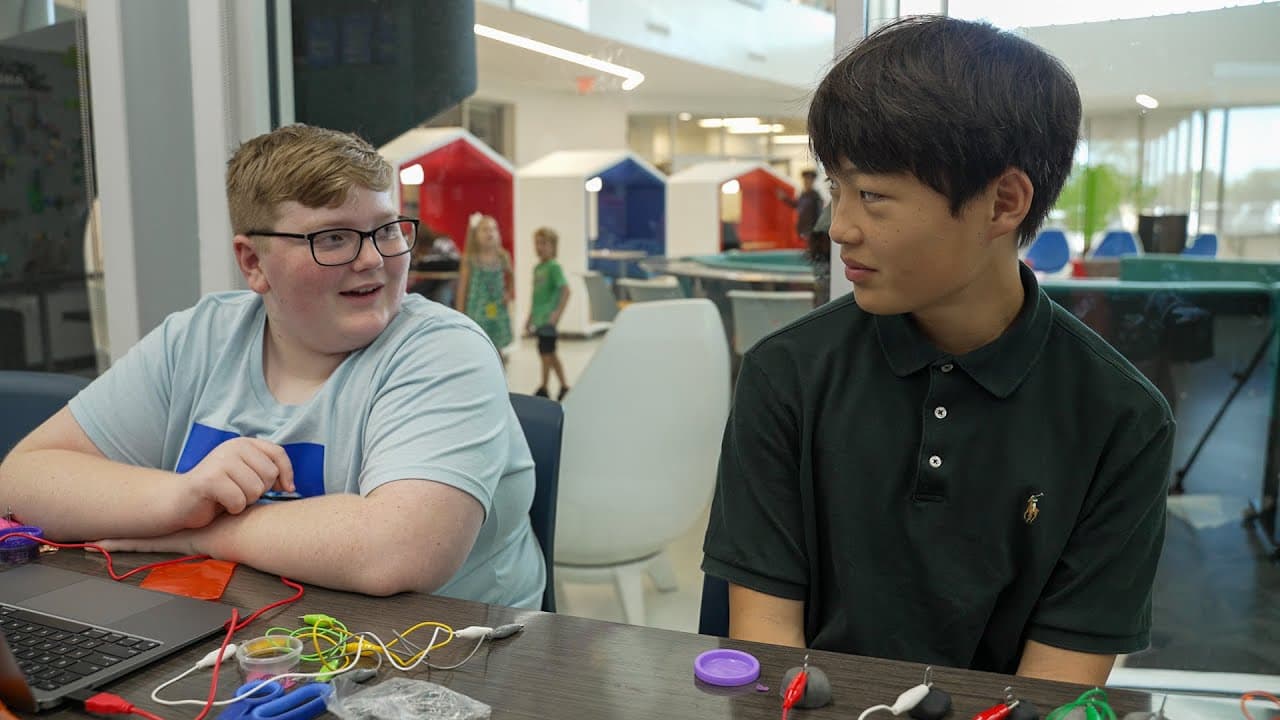
Edutopia visits school-based makerspaces where students design and build their own projects — showing how maker education with 3D printers, electronics, and fabrication tools builds deep STEM understanding, problem-solving, and intrinsic motivation across grade levels.
A guide to unit studies — an approach where all subjects are woven around a single central topic — explaining how they promote deep comprehension through meaningful connections, work effectively across age ranges in multi-child families, and engage students' natural curiosity in ways traditional textbook learning rarely achieves.
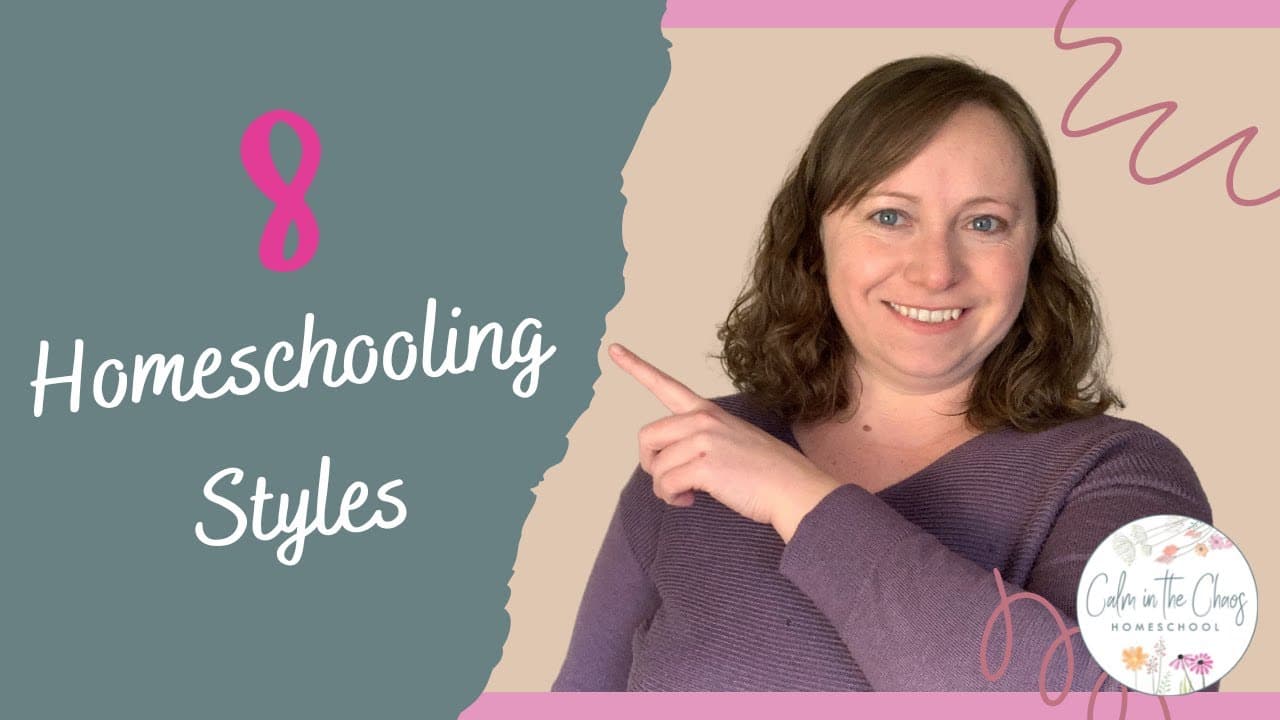
A practical, candid overview of eight popular homeschooling approaches — including Classical, Charlotte Mason, Eclectic, Unschooling, and more — with honest pros, cons, and guidance for families deciding which style fits their children and lifestyle.
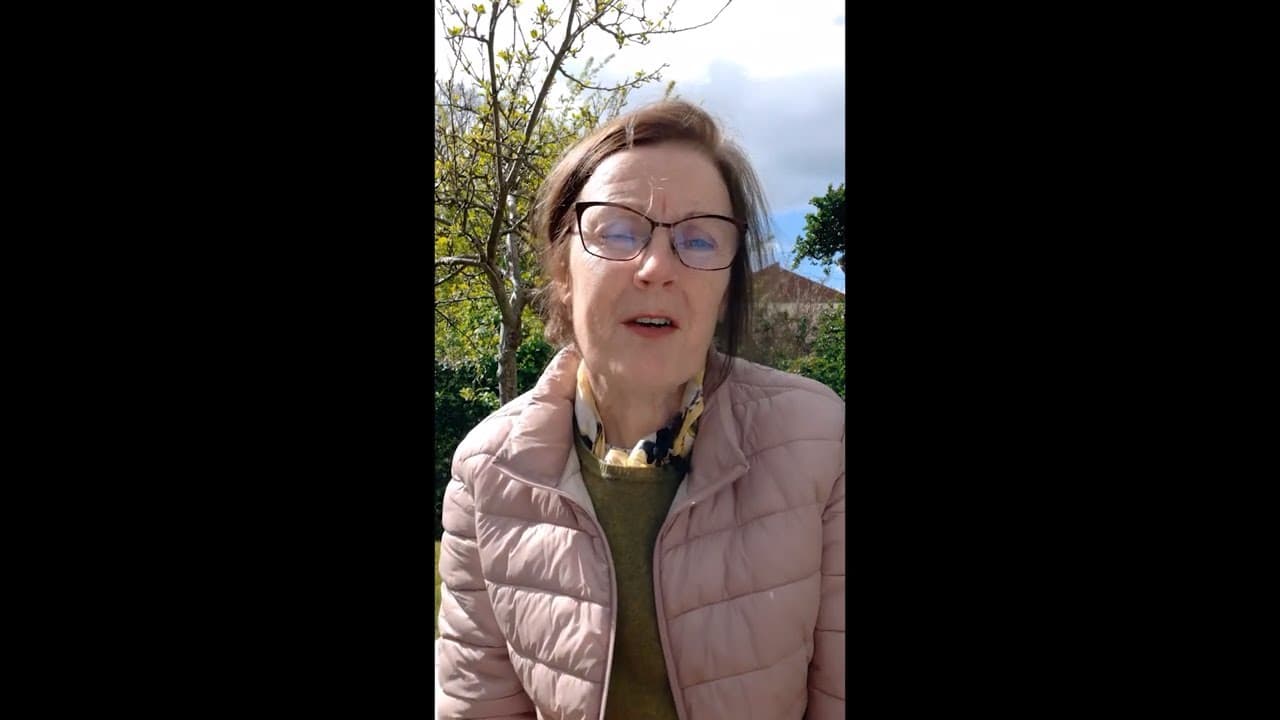
Joan Whelan's TEDx talk on the Forest School movement — from its Scandinavian origins to its rapid spread across Ireland, the UK, and North America — and the evidence that child-led outdoor learning builds resilience, creativity, and wellbeing in ways classrooms cannot.
A practical, beautifully filmed guide to Charlotte Mason's beloved nature journaling practice — from setting up a nature notebook to developing the habit of careful observation, sketching, and narration in the outdoors. Suitable for all ages and no artistic experience required.
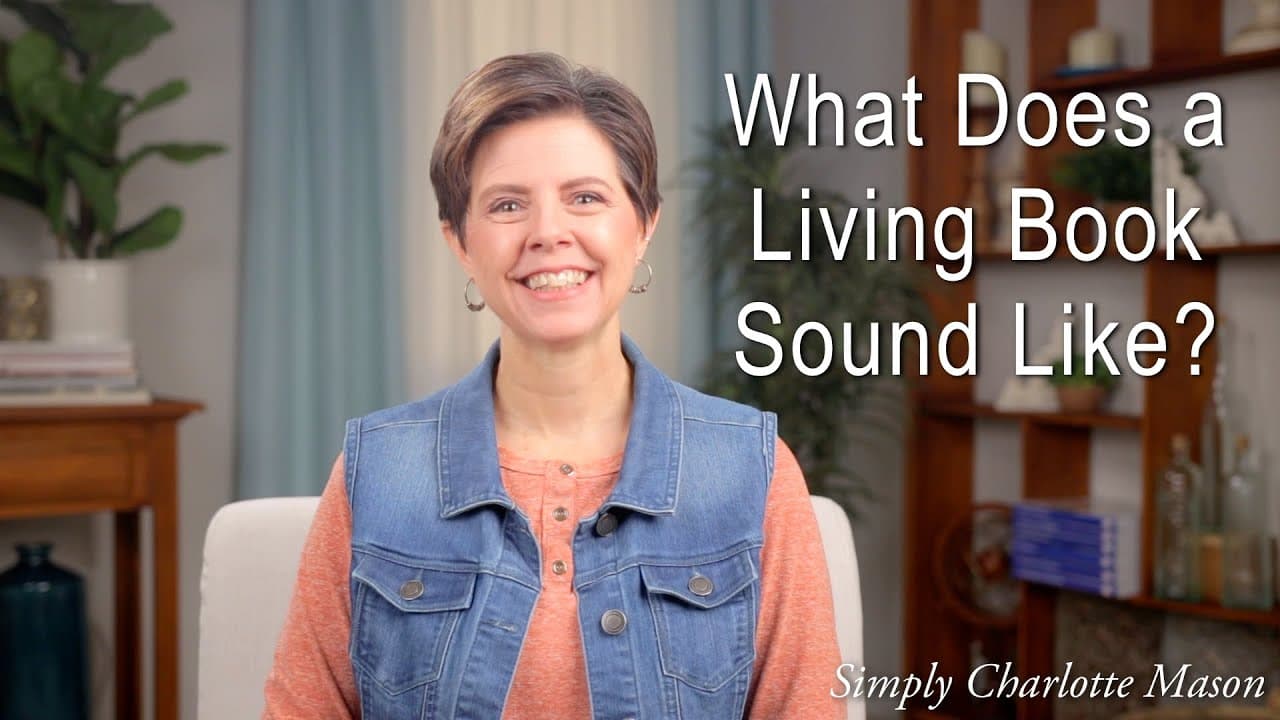
Simply Charlotte Mason demonstrates the heart of Charlotte Mason's 'living books' philosophy — what makes a book truly 'alive' with ideas versus a dry textbook — with read-aloud examples across history, science, and literature so parents can hear the difference for themselves.
A thoughtful introduction to Waldorf education from AWSNA (Association of Waldorf Schools of North America), walking through Rudolf Steiner's developmental philosophy and how Waldorf curriculum — centered on storytelling, movement, and the arts — responds to each stage of childhood.
A clear, substantive explanation of the classical trivium — grammar, logic, and rhetoric — and how these three stages map to different developmental periods in childhood. The video explains why classical educators prioritize narrative, memorization, and dialectic at different ages, and how this differs fundamentally from skill-and-drill approaches.
A clear, accessible introduction to the three-stage trivium model at the heart of classical education: the Grammar stage (knowledge absorption), the Logic stage (critical thinking and analysis), and the Rhetoric stage (persuasive expression) — with practical examples of how each maps to different developmental periods.
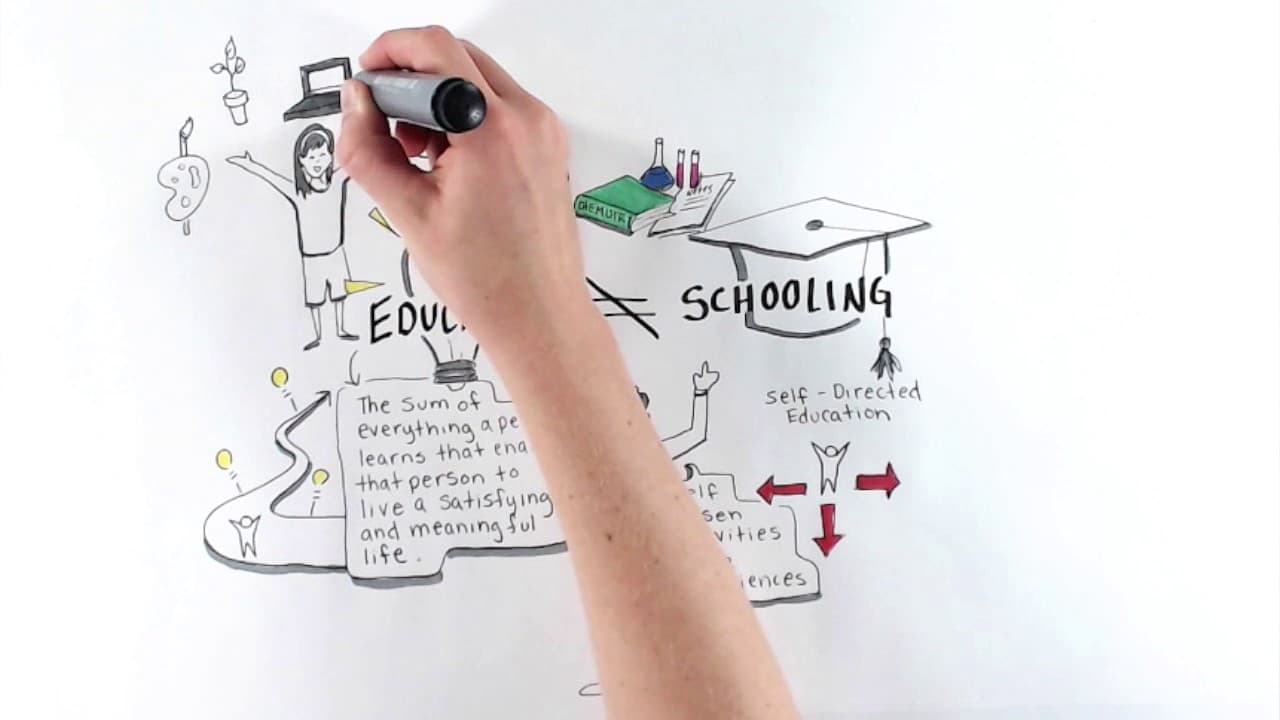
The Alliance for Self-Directed Education explains what self-directed education actually means — the distinction from unschooling, democratic schooling, and homeschooling — and why centering children's agency and intrinsic motivation is both philosophically grounded and practically achievable.
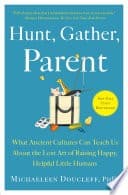
NPR science reporter Michaeleen Doucleff spent time with Maya, Inuit, and Hadzabe families studying how they raise cooperative, helpful, and emotionally regulated children without the power struggles and behavioral problems common in Western parenting. Her findings challenge the dominant parenting paradigm and point toward more autonomy-supportive, community-embedded approaches.
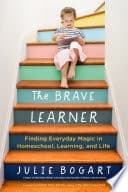
Julie Bogart, founder of Brave Writer, offers an inspiring vision of homeschooling as a partnership between parent and child, built around enchantment, curiosity, and connection rather than rigid curriculum compliance. She provides practical strategies for creating a learning environment where both parents and children thrive.
Explores how hands-on maker education and makerspaces broaden STEM appeal for girls and underrepresented students, citing organizations like Techbridge Girls and emphasizing experimentation over rote instruction.
Sarah Mackenzie makes the compelling case that reading aloud together is one of the most powerful and lasting investments parents can make — building vocabulary, empathy, love of learning, and family connection simultaneously. Packed with practical guidance and hundreds of book recommendations for every age.
Ross Greene, creator of Collaborative Problem Solving, offers a compassionate framework for raising children who are capable, caring, and independent — by solving problems with them, not for them.
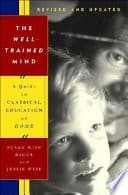
The definitive guide to classical home education by Susan Wise Bauer and Jessie Wise. Drawing on the trivium — grammar, logic, and rhetoric — it lays out a complete K-12 curriculum framework organized by the three stages of childhood development, with detailed subject-by-subject guidance, book lists, and practical scheduling advice for homeschooling parents.
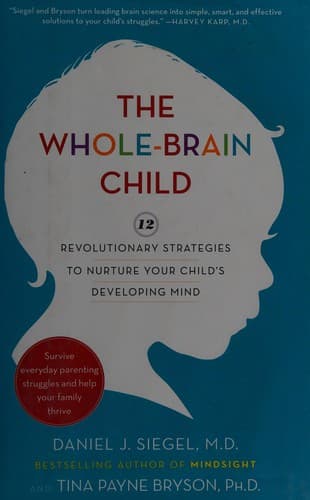
Neuroscientist Daniel Siegel and parenting expert Tina Payne Bryson offer twelve strategies for helping children integrate different parts of the brain, supporting emotional regulation, healthy development, and meaningful learning.
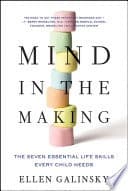
Ellen Galinsky synthesizes three decades of child development research to identify seven essential life skills — including focus and self-control, critical thinking, taking on challenges, and self-directed, engaged learning — that matter more for lifelong success than academic content knowledge. Essential reading for parents and educators designing learning environments.
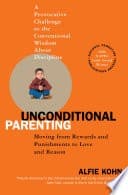
Alfie Kohn challenges the conventional wisdom of rewards and punishments in parenting and education, arguing for a relationship-based approach rooted in trust and respect.
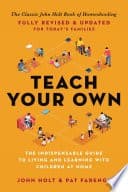
Updated by Patrick Farenga, this essential guide distills John Holt's wisdom on homeschooling and unschooling into a practical companion for families getting started.
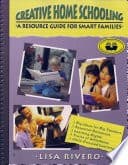
Lisa Rivero's guide to homeschooling gifted and twice-exceptional children, blending rigorous academics with creative, child-led exploration.
A hands-on science curriculum and kit supplier designed for homeschoolers, offering complete chemistry, biology, physics, and electronics lab materials bundled with step-by-step curricula.
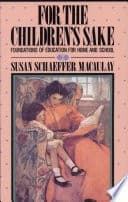
Susan Schaeffer Macaulay introduces Charlotte Mason's educational philosophy to a new generation, arguing for an education that values each child as a full person.
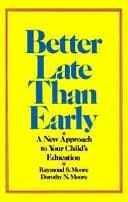
Raymond and Dorothy Moore's influential research-based argument that early childhood academic instruction is harmful — and that children should not start formal schooling before age 8–10.
We are partially ad-funded!