Our Guide to Montessori
What Montessori Actually Is
Ask ten parents what Montessori means and you may get ten different answers: wooden toys, child-sized furniture, no screens, mixed-age classrooms, or simply 'that expensive preschool down the street.' The confusion is understandable — the name was never trademarked, so anyone can hang a Montessori sign on a door. But underneath the branding, Montessori is a coherent and surprisingly specific approach to education, built on a century of observation about how children actually develop.
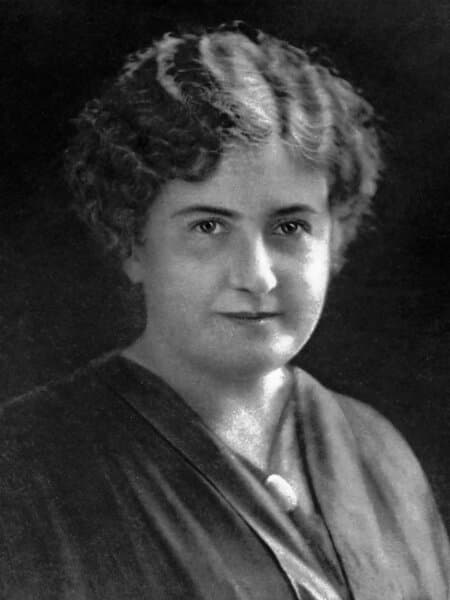
At its core, Montessori rests on a simple but radical claim: children are not empty vessels waiting to be filled, but competent people driven by an inner urge to master their world. Give a three-year-old a real task — pouring water, buttoning a coat, preparing a snack — and she will repeat it with a focus most adults reserve for their most absorbing work. Maria Montessori's insight was that this drive, which she observed clinically as a physician before she ever ran a classroom, is the engine of all learning. The adult's job is not to push knowledge in, but to prepare an environment where the child's own drive can do the work.
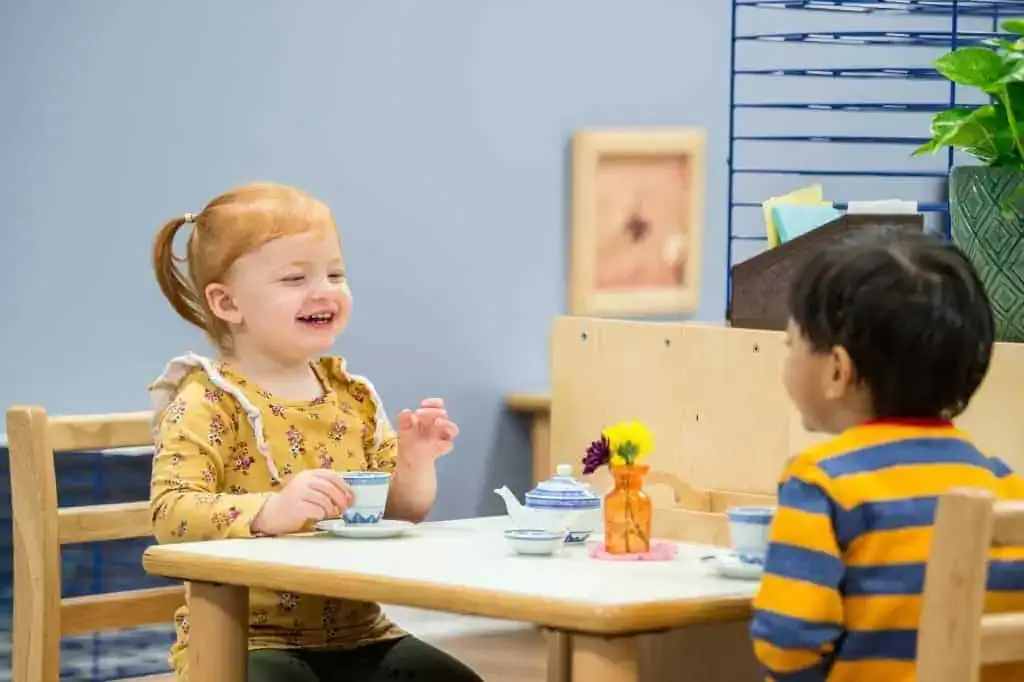
That is why an authentic Montessori classroom looks so different from a conventional one. Materials sit on low, open shelves, sequenced from simple to complex. Children choose their own work and stay with it as long as they like, protected by long, uninterrupted work periods. Classes span three-year age ranges, so younger children learn by watching older ones and older children consolidate their knowledge by teaching. The teacher — often called a guide — spends more time observing than talking.
What It Looks Like Day to Day
A typical morning in a Montessori primary classroom (ages 3–6) begins not with circle time or instruction, but with children dispersing to chosen work: one child tracing sandpaper letters, another building the pink tower, a third scrubbing a table with genuine absorption. The room hums rather than buzzes. The guide moves quietly among the children, giving brief individual lessons — a two-minute demonstration of a new material to one child, then stepping back.
The materials themselves carry much of the teaching load. Each one isolates a single concept — length, weight, letter sounds, decimal place value — and contains a built-in 'control of error' so the child can see her own mistake without an adult marking it wrong. A child who miscounts the golden beads discovers the discrepancy herself. This is deliberate: correction from the material preserves the child's ownership of the learning, while correction from an adult tends to shift the child's focus to pleasing the adult.
In the elementary years (6–12), the approach shifts from sensory exploration toward big, imaginative storytelling — the 'Great Lessons' about the origins of the universe, life, language, and numbers — which are designed to ignite research the children then pursue in small groups. Homework, grades, and tests are largely absent; mastery is tracked through the guide's observation records instead.
What the Evidence and Experience Suggest
Montessori is unusual among alternative approaches in having attracted serious academic study. Research led by developmental psychologists — most prominently Angeline Lillard at the University of Virginia — has found advantages for Montessori students in literacy, math, executive function, and social understanding, particularly in high-fidelity classrooms that use the full method rather than a diluted version. The caveat matters: studies consistently suggest that fidelity to the method is what drives results, which is also the honest warning for parents touring schools.
Families who thrive in Montessori tend to describe the same things: children who take real ownership of their learning, unusual independence in practical life, and a calm relationship with concentration that serves them long after they leave the classroom. The common friction points are just as consistent: children who crave more direct social play than the individual-work culture provides, families who find the method's structure oddly rigid about certain things (fantasy play in the early years, for example), and the sticker shock of private tuition — though public Montessori programs are a growing exception.
Montessori at Home
You do not need a certified classroom to apply the core ideas. The heart of Montessori at home is not buying the materials — it is preparing the environment and changing the adult's posture. Practically, that means child-height hooks, shelves, and tools so your child can do real things without help; a small number of activities displayed attractively rather than a toy bin of everything; real work in the kitchen and garden; and the discipline, hardest of all, of not interrupting a concentrating child — even to praise them.
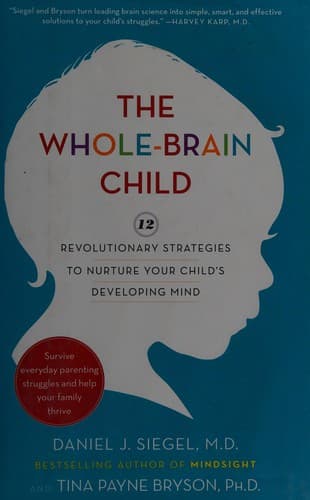
Homeschoolers who want to go further can follow the full curriculum using guides written for parents, and a modest set of key materials — far short of a classroom's inventory — goes a long way in the early years. The books and resources tagged on this page are the ones we consider the strongest starting points: begin with a parent-oriented introduction before investing in materials, and be wary of 'Montessori-branded' toys that have little to do with the method.
One honest note from our own experience: Montessori rewards consistency. Dabbling — a shelf here, a work cycle there — still yields benefits, but the transformation families describe comes from committing to the underlying respect for the child's independence across the whole day, not just during 'school time.'