Browse
👨‍👩‍👧

For

Parents & Caregivers

The primary audience — parents and caregivers making educational decisions for their children.

246 resources tagged for this audience

Why Classical Education Excels at Civic Education

Robert C. Thornett argues that classical education, grounded in the Western liberal arts tradition and great texts, uniquely prepares students for democratic citizenship by cultivating shared cultural understanding and virtue. The approach fosters nuanced discourse about conflicting viewpoints while engaging timeless questions about leadership and the common good.

Education Next·Sep 2025
View

Why Parents of Twice-Exceptional Children Choose Homeschooling

Researcher Rachael Cody at Oregon State University finds that parents of 2e children turn to homeschooling primarily to escape the masking problem — where disabilities hide giftedness or vice versa — and to access the individualized instruction public schools rarely provide. The article argues schools could retain more 2e families by training teachers to recognize asynchronous development.

The Conversation·Mar 2025
View

Waldorf Charter Schools vs. Traditional Public Schools: A California Comparison

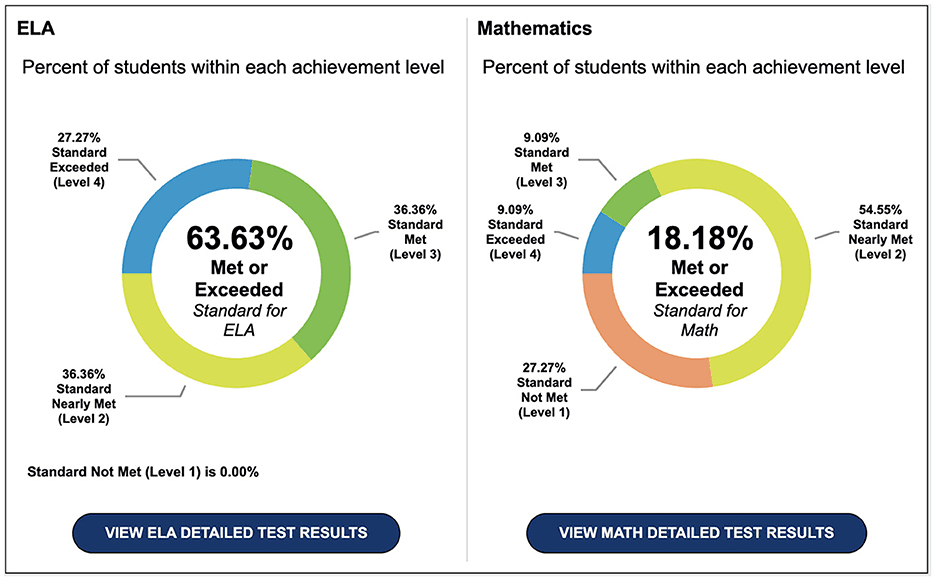
Frontiers in Education research compared 8th-grade test scores across Waldorf charter schools, non-Waldorf charters, and traditional public schools in California, finding that Waldorf students significantly outperformed both groups in English Language Arts and mathematics — consistent with the Waldorf approach of delaying formal academics in favor of developmental readiness.

Frontiers in Education·Jun 2024
View

A New Crop of School Models Expands Choice

Education policy researcher Michael McShane surveys the emerging landscape of microschools, hybrid homeschool programs, and learning pods — intentionally small schools of 15 students or fewer — giving families new alternatives beyond traditional district and charter schools. The piece examines their legal status, diversity of models, and policy implications.

Education Next·Jan 2024
View

Gap Year Research and Benefits: What the Data Shows

The Gap Year Association's research summary draws on national alumni surveys and education abroad studies to show that structured gap years are linked to higher college GPAs, increased job satisfaction, and development of workforce skills including cultural awareness, communication, and self-direction — skills the World Economic Forum identifies as critical for 2030 employment.

Gap Year Association·Jan 2024
View
Free
🔗Resource

National Association for Gifted Children (NAGC)

The leading advocacy and professional development organization for gifted and talented education in the US. Offers research summaries, policy advocacy, a parent resource hub, and connections to state gifted associations — essential for families of gifted and twice-exceptional children navigating the education system.

Free·US-based
View

Homeschooling Children with Special Needs: What Families Should Know

A practical guide for families considering homeschooling a child with IEP-qualifying disabilities or chronic health conditions, covering legal rights and IDEA protections, designing an individualized curriculum, community resources, and how to access public school services like speech therapy while homeschooling.

HSLDA·Sep 2023
View
📰Article

Montessori Education's Impact on Academic and Nonacademic Outcomes: A Systematic Review

A rigorous Campbell Collaboration systematic review analyzed 32 studies and found that Montessori education produces meaningful positive effects on academic outcomes — especially math and language — and even stronger effects on nonacademic outcomes including executive function, creativity, and social-emotional development compared to traditional schooling.

Campbell Systematic Reviews (PMC/NIH)·Aug 2023
View
📰Article

Homeschool Co-ops: Building Community and Academic Depth Through Collaboration

An exploration of how homeschool cooperatives — groups of families who share teaching responsibilities and pool resources — provide structured social interaction, accountability, access to specialized subjects like lab science and foreign languages, and the community that solo homeschooling families often find hardest to replicate.

Stand Together·Jul 2023
View

Don't Ban Virtual School — Improve It

Education Next examines the case for strengthening — rather than restricting — online and virtual schooling options, arguing that well-designed online schools serve important populations including rural students, medically fragile learners, and gifted students seeking advanced coursework unavailable locally. The article reviews outcome data and offers criteria for distinguishing high-quality virtual schools.

Education Next·Jun 2023
View

The Unit Study Approach: Integrated, Cross-Curricular Learning for Homeschoolers

A guide to unit studies — an approach where all subjects are woven around a single central topic — explaining how they promote deep comprehension through meaningful connections, work effectively across age ranges in multi-child families, and engage students' natural curiosity in ways traditional textbook learning rarely achieves.

Homeschool.com·Apr 2023
View

Pod Schools and Micro-Schools: The Future of Education

A deep-dive conversation on the explosive growth of microschools and pandemic pods — small learning communities of 5–15 students — exploring the diverse models emerging across the country and what they reveal about what families are hungry for beyond large traditional schools.

31 min·Reinventing School
View

Embracing Divergent Parenting: The Case for Worldschooling

A Psychology Today piece on the worldschooling movement explores how raising children in continuous travel cultivates cultural awareness, adaptability, language acquisition, and global perspective — while honestly examining the challenges of social continuity, college preparation, and the mental load on parents who are also their children's full-time educators.

Psychology Today·Mar 2023
View
🎬Video

Gap Year Planning: How to Design a Meaningful Year Between School and College

A practical guide for high school graduates (and their families) on how to design a structured gap year — covering program types, budgeting, safety, how gap years affect college admissions, what to tell universities, and how to translate gap year experiences into compelling application stories and real skills.

17 min·Gap Year Association
View
🎬Video

How to Start a Homeschool Co-op: A Step-by-Step Guide

A practical walkthrough for families interested in forming a homeschool cooperative, covering legal structures, dividing teaching responsibilities, finding a venue, building community agreements, managing conflict, and navigating the range of models from enrichment co-ops to full academic co-ops with credit-bearing courses.

23 min·HSLDA
View
📰Article

Homeschooling and Religious Outcomes: How Faith Motivates Alternative Education

NHERI research shows that faith and religious values are among the most consistent drivers of homeschooling decisions, and that homeschooled adults show substantially higher rates of religious belief and practice than their publicly or privately schooled peers — findings with significant implications for policy, faith communities, and the families navigating the intersection of belief and education.

National Home Education Research Institute·Jan 2023
View

The Power of a Democratic Classroom

Drawing on case studies from Sudbury Valley School, Brooklyn Free School, and Albany Free School, this feature explores what decades of democratic schooling reveal about the connection between student autonomy and intrinsic motivation — and what conventional schools can learn from giving students genuine authority over their learning environment.

Edutopia·Oct 2022
View
🎬Video

Charlotte Mason Nature Journaling: A Guide for Homeschoolers

A practical, beautifully filmed guide to Charlotte Mason's beloved nature journaling practice — from setting up a nature notebook to developing the habit of careful observation, sketching, and narration in the outdoors. Suitable for all ages and no artistic experience required.

16 min·Simply Charlotte Mason
View
🎬Video

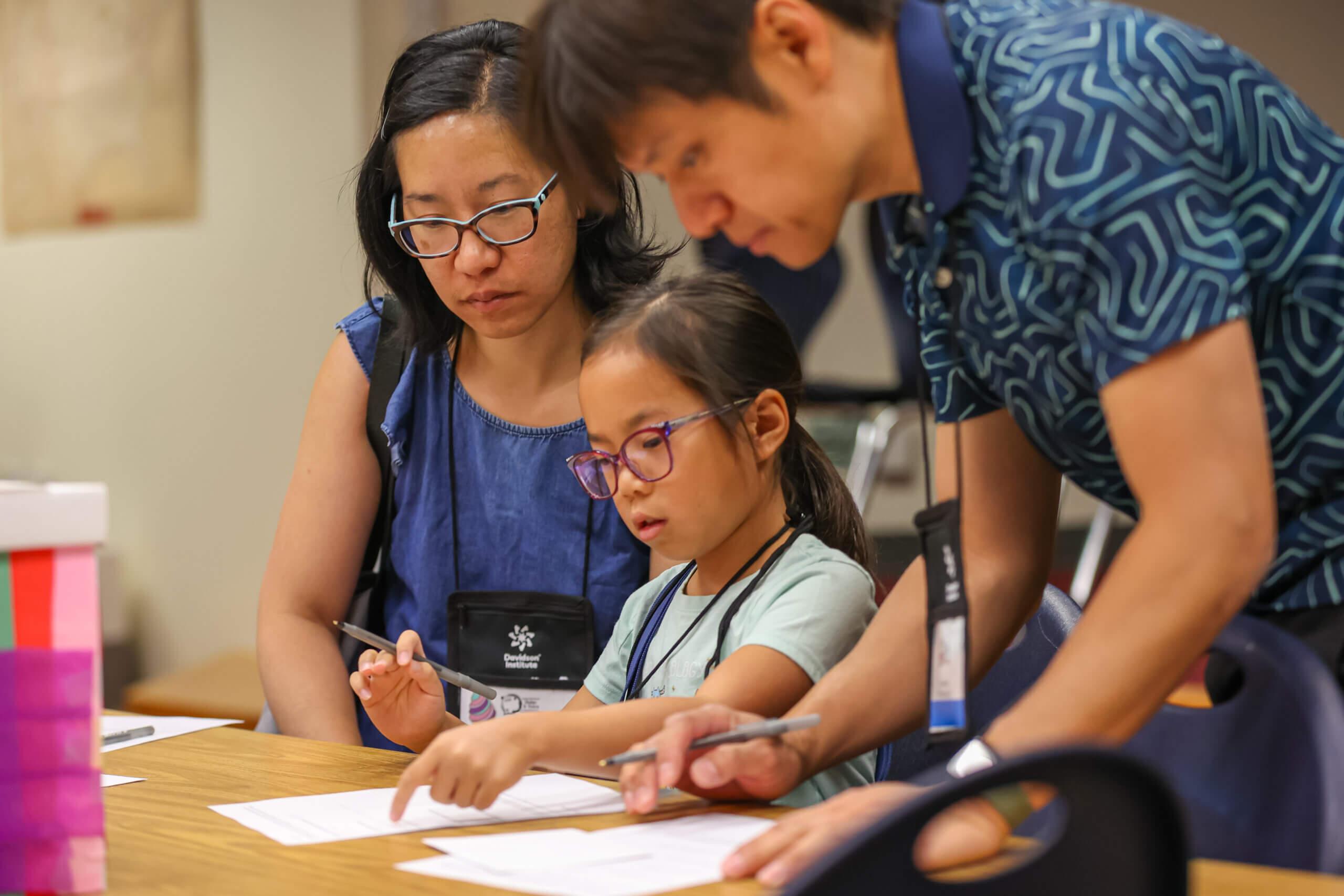
Understanding Twice-Exceptional Learners: Giftedness and Learning Differences Together

An accessible and empathetic overview of twice-exceptional (2e) children — those with both high intellectual gifts and learning disabilities or differences — explaining the masking phenomenon, why 2e children often fall through the cracks, and how homeschooling and alternative education can provide the asynchronous, individualized support they need.

25 min·Davidson Institute
View

The Classical Learning Test Takes Aim at the SAT-ACT Duopoly

Education Next profiles the Classical Learning Test (CLT), a college admissions test designed around the Western canon and classical education values, examining whether it offers a genuine alternative to the SAT/ACT for classically educated students and the growing number of colleges aligned with classical or faith-based academic traditions.

Education Next·Aug 2022
View
📰Article

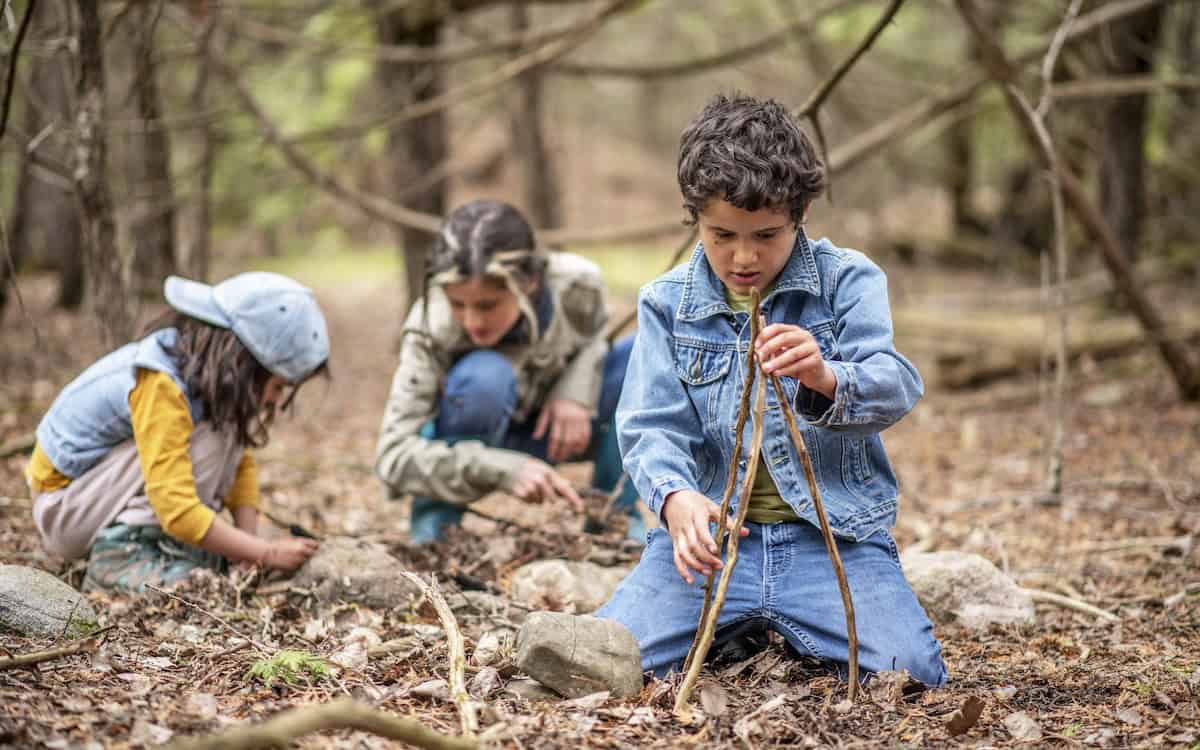
Forest School and Children's Wellbeing: What the Evidence Shows

A research review of Forest School programs finds consistent evidence that regular outdoor, child-led learning in natural environments reduces stress, increases physical activity, builds resilience, and improves social skills — with the strongest gains for children who participate in repeated, extended sessions rather than occasional visits.

Forest School Association·Jul 2022
View

Homeschooling Skyrocketed During the Pandemic. What Does the Future Hold?

Researchers Hamlin and Peterson examine the dramatic surge in homeschooling during COVID-19 and the rise of hybrid models — pods, cooperatives, and online programs — that emerged alongside it. The article asks whether these shifts represent a durable realignment of American education or a temporary response to an extraordinary disruption.

Education Next·Feb 2022
View
🎬Video

Classical Education and the Trivium: A Deep Dive

A clear, substantive explanation of the classical trivium — grammar, logic, and rhetoric — and how these three stages map to different developmental periods in childhood. The video explains why classical educators prioritize narrative, memorization, and dialectic at different ages, and how this differs fundamentally from skill-and-drill approaches.

21 min·Classical Academic Press
View

Classical Education — The Trivium of Grammar, Logic, and Rhetoric

A clear, accessible introduction to the three-stage trivium model at the heart of classical education: the Grammar stage (knowledge absorption), the Logic stage (critical thinking and analysis), and the Rhetoric stage (persuasive expression) — with practical examples of how each maps to different developmental periods.

13 min·Classical Learner
View

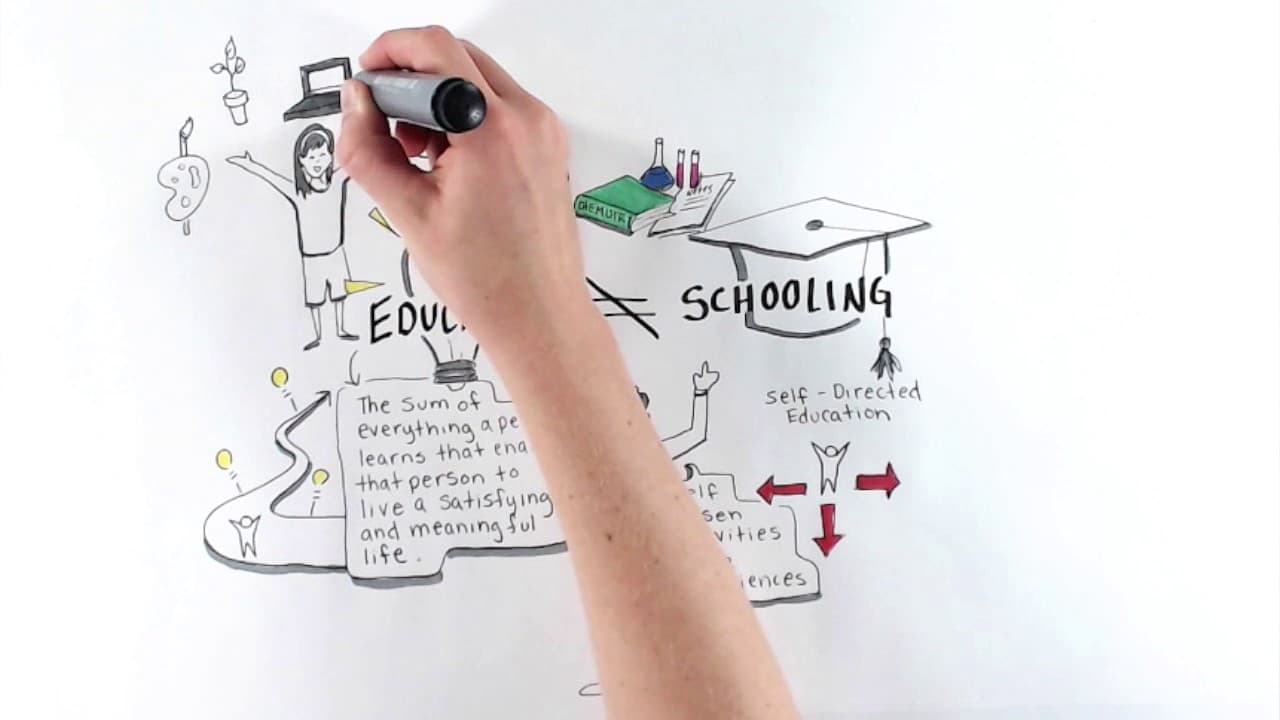
What Is Self-Directed Education? — Alliance for Self-Directed Education

The Alliance for Self-Directed Education explains what self-directed education actually means — the distinction from unschooling, democratic schooling, and homeschooling — and why centering children's agency and intrinsic motivation is both philosophically grounded and practically achievable.

10 min·Alliance for Self-Directed Education
View
🎬Video

Making Learning Visible: Documentation in Reggio-Inspired Schools

An exploration of pedagogical documentation — the Reggio Emilia practice of photographing, recording, and reflecting on children's learning processes — showing how it transforms teaching from delivery to research, deepens children's revisiting of their own ideas, and makes the invisible visible for families and the community.

28 min·Inspired EC
View

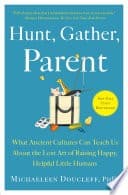
Hunt, Gather, Parent: What Ancient Cultures Can Teach Us About the Lost Art of Raising Happy, Helpful Little Humans

NPR science reporter Michaeleen Doucleff spent time with Maya, Inuit, and Hadzabe families studying how they raise cooperative, helpful, and emotionally regulated children without the power struggles and behavioral problems common in Western parenting. Her findings challenge the dominant parenting paradigm and point toward more autonomy-supportive, community-embedded approaches.

Michaeleen Doucleff·2021
View

New Research Makes a Powerful Case for Project-Based Learning

Two large randomized controlled trials involving over 6,000 students across 114 schools found that project-based learning significantly outperformed traditional instruction across grade levels and demographic groups. Particularly compelling: low-income students showed the same gains as their wealthier peers, making PBL a promising equity strategy.

Edutopia·Feb 2021
View

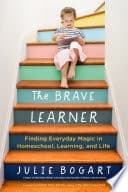
The Brave Learner: Finding Everyday Magic in Homeschool, Learning, and Life

Julie Bogart, founder of Brave Writer, offers an inspiring vision of homeschooling as a partnership between parent and child, built around enchantment, curiosity, and connection rather than rigid curriculum compliance. She provides practical strategies for creating a learning environment where both parents and children thrive.

Julie Bogart·2019
View

Unschooled: Raising Curious, Well-Educated Children Outside the Conventional Classroom

Kerry McDonald makes a well-researched, accessible case for self-directed education outside conventional schooling, profiling unschooling families across the US and examining the research on intrinsic motivation, mastery learning, and the long-term outcomes of self-directed learners. A clear-eyed introduction for skeptical parents.

Kerry McDonald·2019
View

The Read-Aloud Family: Making Meaningful and Lasting Connections with Your Kids

Sarah Mackenzie makes the compelling case that reading aloud together is one of the most powerful and lasting investments parents can make — building vocabulary, empathy, love of learning, and family connection simultaneously. Packed with practical guidance and hundreds of book recommendations for every age.

Sarah Mackenzie·2018
View

The Gardener and the Carpenter: What the New Science of Child Development Tells Us About the Relationship Between Parents and Children

Alison Gopnik, one of the world's leading child development researchers, argues that the modern obsession with 'parenting' as a goal-directed activity — shaping children into specific outcomes — is both scientifically misguided and harmful. Instead, she proposes a gardener model: creating a rich, safe environment and allowing children's natural curiosity and play to drive their development.

Alison Gopnik·2016
View

The Well-Trained Mind: A Guide to Classical Education at Home

The definitive guide to classical home education by Susan Wise Bauer and Jessie Wise. Drawing on the trivium — grammar, logic, and rhetoric — it lays out a complete K-12 curriculum framework organized by the three stages of childhood development, with detailed subject-by-subject guidance, book lists, and practical scheduling advice for homeschooling parents.

Susan Wise Bauer, Jessie Wise·2016
View

The Outdoor Classroom Ages 3-7: Taking the First Steps Outside

A practical, research-backed guide for early childhood educators and parents who want to take learning outside, covering risk-benefit assessment, seasonal curriculum planning, nature journaling, loose parts play, and how to work with parents and administrators to establish and sustain a forest school or outdoor learning program.

Lindsey Whitworth·2016
View

The Hundred Languages of Children: The Reggio Emilia Experience in Transformation

The definitive scholarly and practical anthology on the Reggio Emilia approach, edited by Carolyn Edwards, Lella Gandini, and George Forman. This third edition gathers essays from the founders and leading practitioners, covering the philosophy, documentation practices, teacher role, and global influence of the Reggio approach.

Carolyn Edwards, Lella Gandini, George Forman·2011
View

What Do Babies Think? — Alison Gopnik

UC Berkeley developmental psychologist Alison Gopnik reveals that babies are not blank slates but extraordinary learning machines — running rapid-fire experiments on the world. This widely-viewed TED talk reframes early childhood as the research and development division of the human species, with huge implications for how we design education.

18 min·TED
View
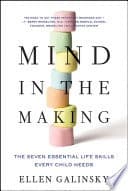
Mind in the Making: The Seven Essential Life Skills Every Child Needs

Ellen Galinsky synthesizes three decades of child development research to identify seven essential life skills — including focus and self-control, critical thinking, taking on challenges, and self-directed, engaged learning — that matter more for lifelong success than academic content knowledge. Essential reading for parents and educators designing learning environments.

Ellen Galinsky·2010
View
We are partially ad-funded!