Browse
🎓

For

High School Age (14–18)

Teens and their families exploring alternatives during secondary education years.

36 resources tagged for this audience

Gap Year Research and Benefits: What the Data Shows

The Gap Year Association's research summary draws on national alumni surveys and education abroad studies to show that structured gap years are linked to higher college GPAs, increased job satisfaction, and development of workforce skills including cultural awareness, communication, and self-direction — skills the World Economic Forum identifies as critical for 2030 employment.

Gap Year Association·Jan 2024
View

Embracing Divergent Parenting: The Case for Worldschooling

A Psychology Today piece on the worldschooling movement explores how raising children in continuous travel cultivates cultural awareness, adaptability, language acquisition, and global perspective — while honestly examining the challenges of social continuity, college preparation, and the mental load on parents who are also their children's full-time educators.

Psychology Today·Mar 2023
View
🎬Video

Gap Year Planning: How to Design a Meaningful Year Between School and College

A practical guide for high school graduates (and their families) on how to design a structured gap year — covering program types, budgeting, safety, how gap years affect college admissions, what to tell universities, and how to translate gap year experiences into compelling application stories and real skills.

17 min·Gap Year Association
View

The Classical Learning Test Takes Aim at the SAT-ACT Duopoly

Education Next profiles the Classical Learning Test (CLT), a college admissions test designed around the Western canon and classical education values, examining whether it offers a genuine alternative to the SAT/ACT for classically educated students and the growing number of colleges aligned with classical or faith-based academic traditions.

Education Next·Aug 2022
View
🎬Video

Classical Education and the Trivium: A Deep Dive

A clear, substantive explanation of the classical trivium — grammar, logic, and rhetoric — and how these three stages map to different developmental periods in childhood. The video explains why classical educators prioritize narrative, memorization, and dialectic at different ages, and how this differs fundamentally from skill-and-drill approaches.

21 min·Classical Academic Press
View

Classical Education — The Trivium of Grammar, Logic, and Rhetoric

A clear, accessible introduction to the three-stage trivium model at the heart of classical education: the Grammar stage (knowledge absorption), the Logic stage (critical thinking and analysis), and the Rhetoric stage (persuasive expression) — with practical examples of how each maps to different developmental periods.

13 min·Classical Learner
View

What Is Self-Directed Education? — Alliance for Self-Directed Education

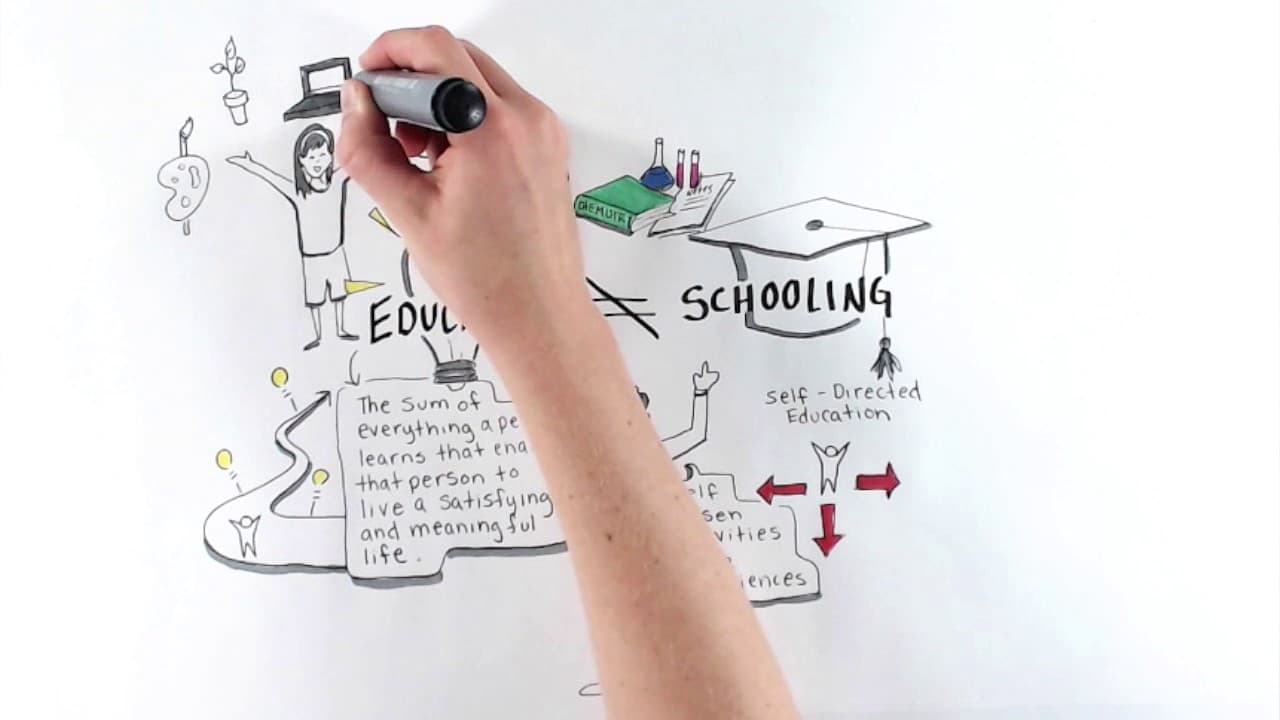
The Alliance for Self-Directed Education explains what self-directed education actually means — the distinction from unschooling, democratic schooling, and homeschooling — and why centering children's agency and intrinsic motivation is both philosophically grounded and practically achievable.

10 min·Alliance for Self-Directed Education
View

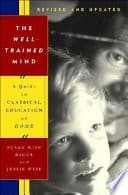
The Well-Trained Mind: A Guide to Classical Education at Home

The definitive guide to classical home education by Susan Wise Bauer and Jessie Wise. Drawing on the trivium — grammar, logic, and rhetoric — it lays out a complete K-12 curriculum framework organized by the three stages of childhood development, with detailed subject-by-subject guidance, book lists, and practical scheduling advice for homeschooling parents.

Susan Wise Bauer, Jessie Wise·2016
View

We are partially ad-funded!