Our Guide to Charlotte Mason
'Children Are Born Persons'
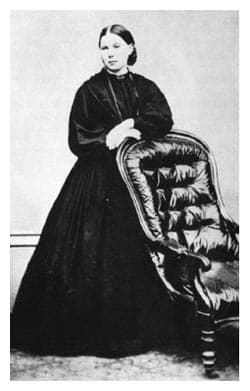
Charlotte Mason's philosophy begins with a sentence that still sounds quietly radical: 'Children are born persons.' Not blank slates, not products to be shaped, but whole people with minds fully capable of engaging real ideas. Writing in Victorian England, when children of privilege were drilled by governesses and children of poverty were drilled for factories, Mason insisted that every child — regardless of class — deserved a generous feast of ideas: great literature, art, music, nature, history told as story. Her formula, 'education is an atmosphere, a discipline, a life,' meant that children learn from the environment of the home, from the habits they build, and from living ideas — never from predigested textbook summaries.
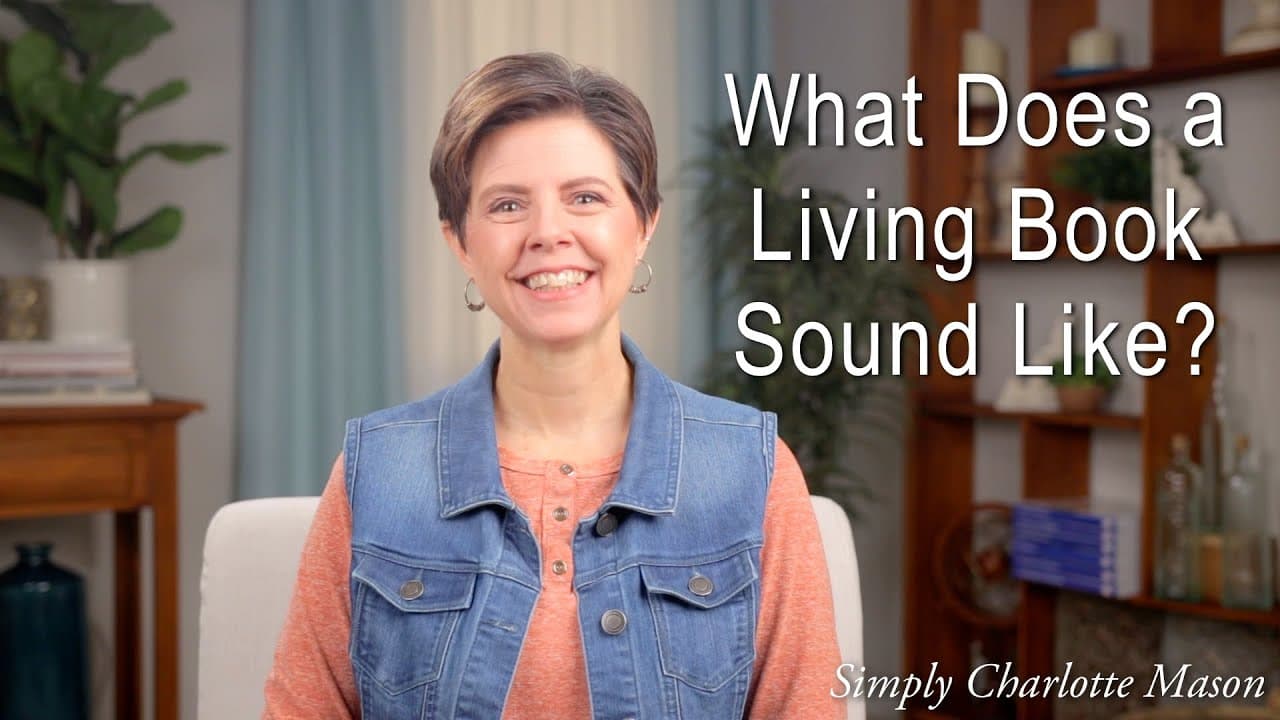
The method's signature is the 'living book': a book written by someone who loves their subject, in narrative language that makes ideas come alive. Mason's conviction was that a child who reads (or hears) a vivid account of Trafalgar from a passionate storyteller retains and cares more than a child who memorizes a paragraph of bullet points — because the mind feeds on ideas, not information pellets. In a Charlotte Mason education, nearly every subject arrives through such books: history, geography, science, even math enrichment.
The Practices That Make It Work
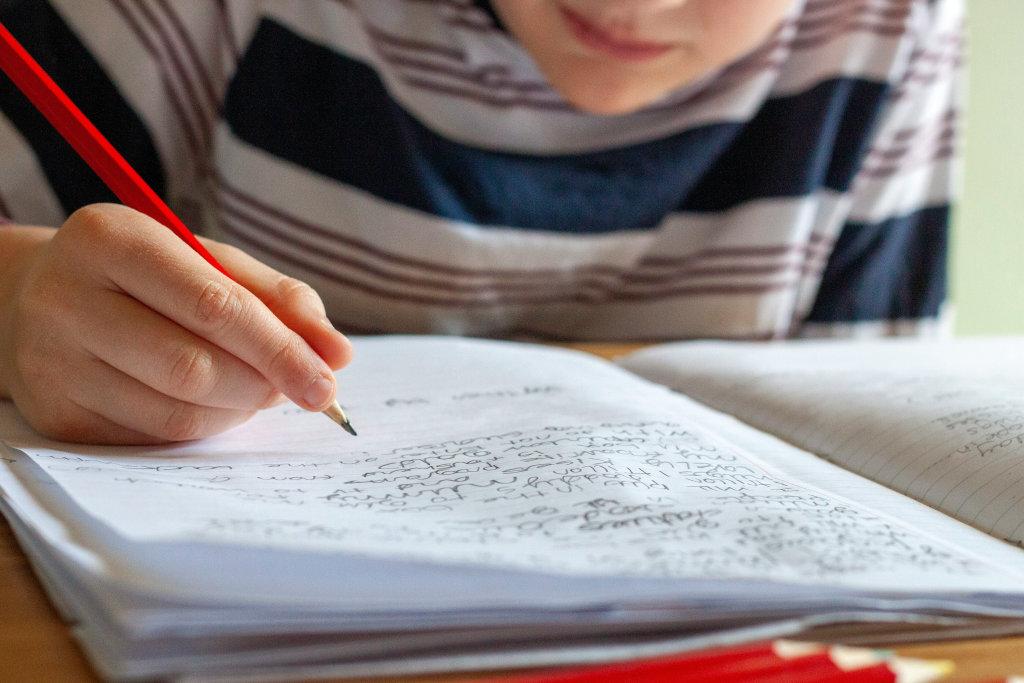
Narration is the engine of the method, and its simplicity is deceptive. After a single attentive reading of a passage, the child tells it back in her own words. That's the whole technique — no comprehension worksheets, no quizzes — and yet it demands complete attention, synthesis, ordering of ideas, and expression: the same mental acts an essayist performs. Young children narrate aloud; older students transition to written narration, which becomes composition without a separate writing curriculum. Parents new to it are routinely astonished both by how hard narration is and by how quickly children grow powerful at it.
Around narration, Mason built a set of humane structural habits: lessons kept short (fifteen to twenty minutes in the early years) so attention never curdles into dawdling; afternoons kept free for play, handicrafts, and outdoor time; and 'habit training' — the patient formation of attention, truthfulness, and orderliness — treated as more foundational than any academic subject. Nature study deserves special mention: the weekly outdoor ramble with a nature journal is not an extra but a core science practice, training the observational precision that laboratory science later depends on.
Who Thrives — and Where It Strains
The families for whom Charlotte Mason sings are usually the ones who already love reading aloud and being outdoors, and who want substance without pressure. The method is gentle in texture but not soft in content — children raised on it routinely read far above the level their peers are assigned, because living books never talked down to them. It also scales gracefully across multiple children, since read-alouds and nature walks are naturally shared while narrations stay individual.
The strains are predictable and worth naming. The read-aloud load on the parent is heavy, especially with young children — audiobooks help, but the method genuinely costs parental hours. Highly verbal children take to narration like water; children with expressive-language difficulties, or some children with dyslexia or autism-spectrum profiles, may find daily narration frustrating and need adapted forms (drawing narrations, acting them out, keyword retellings) — flexibility Mason herself, a pragmatist, would likely have endorsed. And Mason's original booklists are a century old and deeply British; modern curricula update them to varying degrees, and families of every background will want to add voices the Victorian canon left out. Secular families should note that Mason's philosophy is explicitly Christian in origin; strong secular adaptations exist, but they require choosing your curriculum provider deliberately.
Getting Started
Charlotte Mason may be the easiest of all the literary methods to try before you commit, because its practices are free and additive. This week, without buying anything: read your child one excellent chapter from a well-written book, ask them to tell it back to you, and take one unhurried walk where you both draw something you find. If those three acts felt right in your home, the method will likely fit; if they felt like pulling teeth, you have learned something valuable cheaply.
From there, most families adopt a curriculum guide rather than assembling everything themselves — several established providers (both Christian and secular) sequence the booklists, schedule the short lessons, and handle subjects like math with conventional programs, since Mason's method wraps around a standard math curriculum rather than replacing it. The books tagged on this page, especially the modern introductions to Mason's thought, are the right first purchases — start with one of those before buying a full curriculum, because understanding the why behind narration and short lessons is what separates families who flourish with this method from families who merely follow its schedule.