What is Self-Directed Education?
This is part 1 of our primer on the growing movement for Self-Directed Education.
Alliance for Self-Directed Education·Apr 2026
View For
Anyone curious about the landscape of alternative education options.
66 resources tagged for this audience
This is part 1 of our primer on the growing movement for Self-Directed Education.
Jennifer Yoo-Brannon reflects on what it means to humanize schools after years of disruption — moving from demoralization and compliance toward trust, belonging, and authentic connection between teachers and students.
Khan Academy reflects on what's working and what isn't with AI tutoring through Khanmigo, sharing lessons from hundreds of thousands of student interactions on human-centered learning.
Mason Pashia and Aaron Schorn argue that in an age of information overload, schools must shift from transmitting knowledge to cultivating wisdom through real-world experience and reflective practice.
Khan Academy and TED announce a new higher education model combining rigorous online coursework with the storytelling tradition of TED talks — designed to expand access to world-class education beyond traditional university gatekeeping.
One Indiana district launched a network of microschools letting students direct much of their own learning — a model drawing attention as public school enrollment continues to fall nationally.
The most common objection to homeschooling — that kids won't learn to socialize — turns out to be largely unsupported by evidence. Here's what the studies show.
A journalist spends a week at a Sudbury democratic school, observing how children of all ages self-govern, choose their activities, and develop at their own pace.
Waldorf schools have long resisted screens in education. Now, with tech CEOs sending their own kids to screen-free schools, the philosophy is attracting renewed mainstream attention.
With universal ESA eligibility now the norm in many states, the conversation shifts to improving program access and ensuring families can actually use the funds across a wide array of qualifying educational expenses.
Classical schools are among the fastest-growing segment of American private and charter education. The reasons why reveal deep dissatisfaction with progressive educational trends.
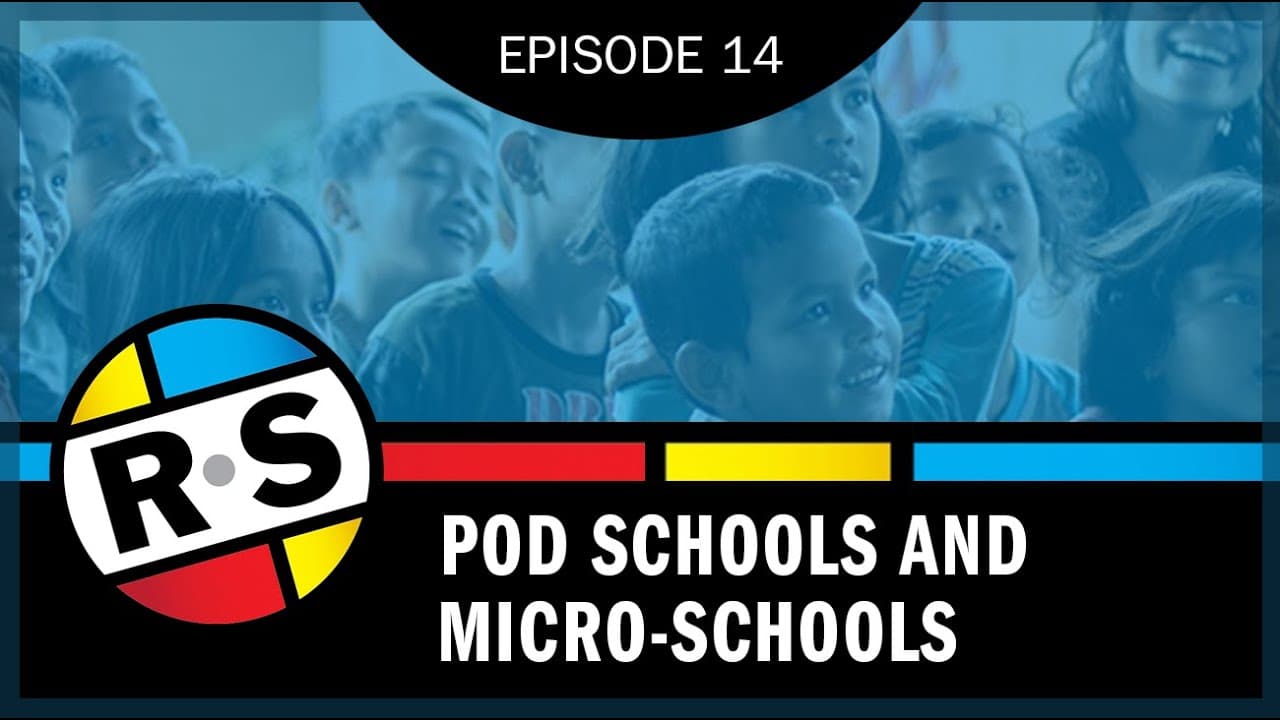
Pandemic-era learning pods didn't disappear when schools reopened. Many have evolved into full microschools, revealing deep parental appetite for small, relationship-based education.
Analyzes virtual school enrollment trends across state programs in Georgia, Texas, Michigan, and Massachusetts post-pandemic, finding steady but uneven growth alongside a 65% four-year graduation rate versus the 86.5% national average.
New NHERI survey data shows homeschooling has grown in every state since 2019, with particularly dramatic increases in Florida, Arizona, and several Midwestern states.
From Summerhill in 1921 to today's growing network of ALC and Sudbury schools, the democratic school movement has a rich and often radical history worth knowing.
One family shares exactly what a typical Tuesday looks like when your nine-year-old directs her own learning. Spoiler: it involves a lot of Minecraft, but also a lot more than that.
Unschooling typically refers to child-led learning without formal curriculum. Radical unschooling extends that philosophy to all areas of life — food, sleep, screen time, and more.
Audrey Watters reflects on the state of education technology and the erosion of public commitment to schooling following personal tragedy. The piece offers a somber critique of the industry's trajectory and the need for a cultural shift away from current trends.
A candid examination of three common concerns about Waldorf education — Anthroposophy, the Four Temperaments, and assessment — including a clear explanation of why Anthroposophy is a spiritual philosophy that informs teachers but is never taught to students, and how it differs from religious instruction.
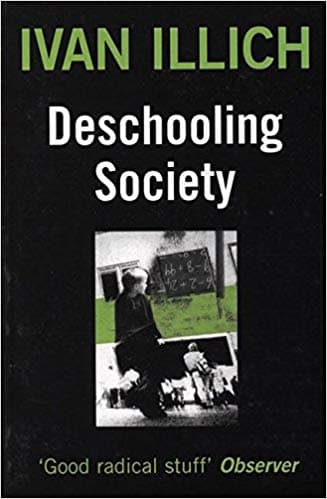
Patrick Farenga traces the origins of deschooling as a concept, exploring how Ivan Illich's 1971 book shaped the unschooling and homeschooling movements and what its vision of learning freedom means today.
Developmental psychologist, researcher, and author best known for his work on the importance of play and self-directed learning in child development.
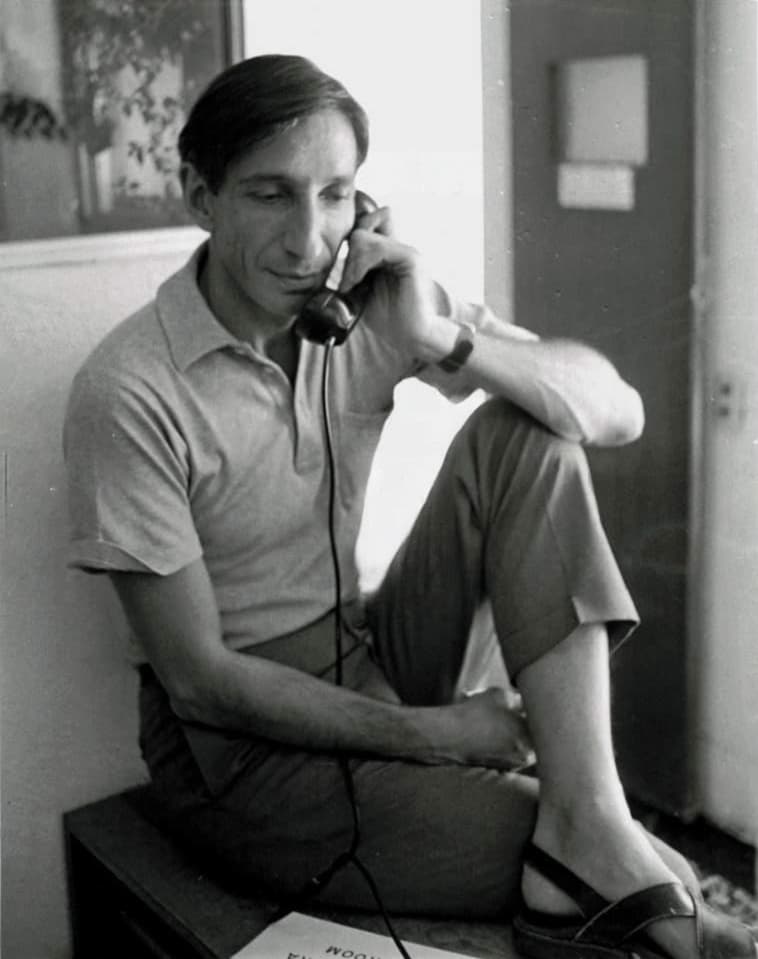
Austrian-Croatian philosopher whose 1971 book Deschooling Society remains one of the most radical and influential critiques of institutional education ever written.
Journalist and author who coined the term 'nature-deficit disorder' and sparked a global movement to reconnect children with the natural world.
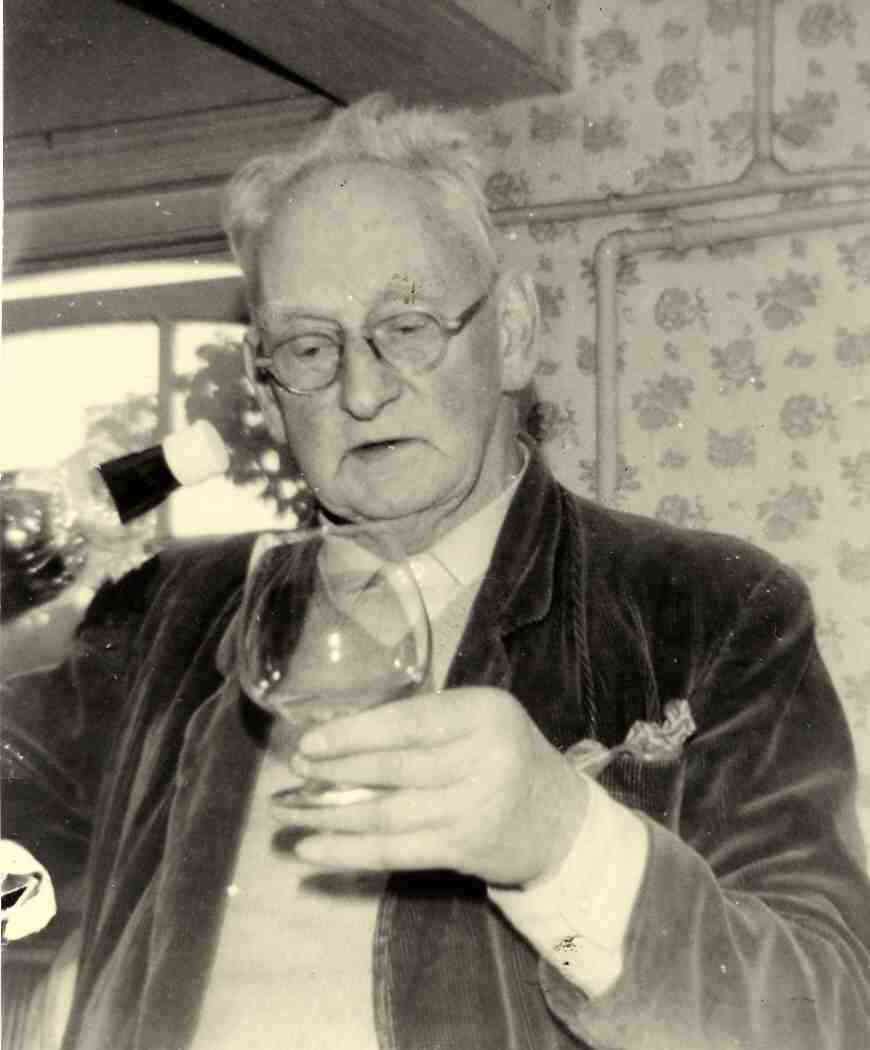
Scottish educator who founded Summerhill School in 1921 — the world's oldest running democratic school — and whose book Summerhill sold over two million copies.
Prolific radical unschooling author, speaker, and community builder whose website and books have guided thousands of families through unschooling since the early 1990s.
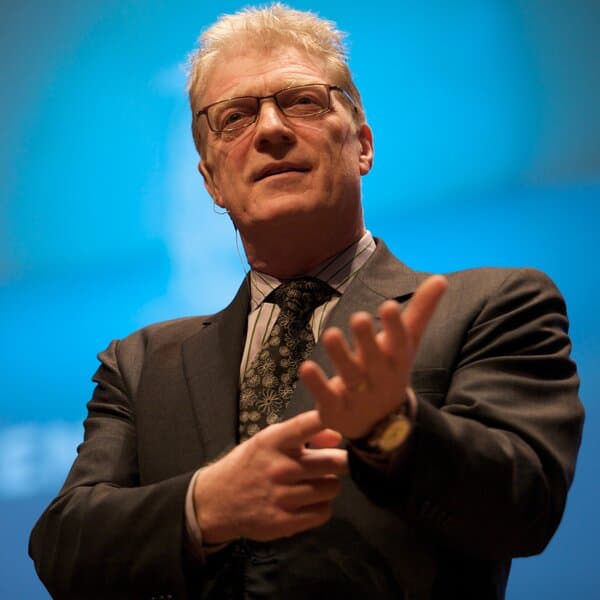
British educator and creativity researcher whose 2006 TED Talk 'Do Schools Kill Creativity?' remains the most-viewed TED Talk of all time, with over 70 million views.
Author of Unschooled and education policy researcher, Kerry McDonald is a senior fellow at the Foundation for Economic Education and one of the most prominent writers making the evidence-based case for self-directed learning and alternatives to conventional schooling.
Professor of psychology at UC Berkeley and one of the world's leading researchers on child development, Alison Gopnik has transformed our understanding of how babies and young children think, learn, and imagine — and what that means for how we educate and parent them.
A non-profit organization founded by Peter Gray and others to promote awareness and growth of self-directed education. Offers resources, a school finder, and a community network.
Peter Gray's free Substack newsletter where he shares research, essays, and reflections on self-directed learning and the importance of play — essential reading for anyone exploring unschooling or democratic education.
The complete digital archive of Growing Without Schooling, the pioneering newsletter John Holt published from 1977–2001. A historical treasure trove of unschooling stories, philosophy, and practical guidance.
Founded by journalist Lenore Skenazy and researcher Peter Gray, Let Grow advocates for giving children back their independence, free play, and unsupervised time. Offers school programs, parent resources, and policy advocacy to reverse the trend of over-supervised, risk-averse childhood.
Profiles the growth of community-based microschools serving 8–15 students, with examples from Nevada and Colorado, examining how pandemic-era learning pods evolved into a durable alternative education movement.
A TEDx talk making the case for worldschooling — using travel, cultural immersion, and real-world experiences as the primary vehicle for children's education — with evidence that learning through living produces confident, adaptable, globally aware young people.
A deep-dive conversation on the explosive growth of microschools and pandemic pods — small learning communities of 5–15 students — exploring the diverse models emerging across the country and what they reveal about what families are hungry for beyond large traditional schools.
A Psychology Today piece on the worldschooling movement explores how raising children in continuous travel cultivates cultural awareness, adaptability, language acquisition, and global perspective — while honestly examining the challenges of social continuity, college preparation, and the mental load on parents who are also their children's full-time educators.
Black families are forming homeschooling cooperatives and co-ops in growing numbers, driven by concerns about racism in schools, disciplinary disparities, and the desire for culturally affirming curriculum.
Educator Paulette Unger's TEDx talk on how shifting from teacher-directed instruction to genuine dialogue and inquiry transforms students into self-directed learners — drawing on her classroom experience and the research behind student-led learning.
A Vietnamese-American father's moving TEDx talk on pulling his son out of the conventional school system, the family's transition to unschooling, and the profound changes they witnessed in their child's joy, curiosity, and sense of self.
Alliance for Self-Directed Education co-founder Akilah S. Richards offers a compelling, personal overview of self-directed education — what it is, why it matters for children of color, and how families across income levels are making it work outside traditional schooling.
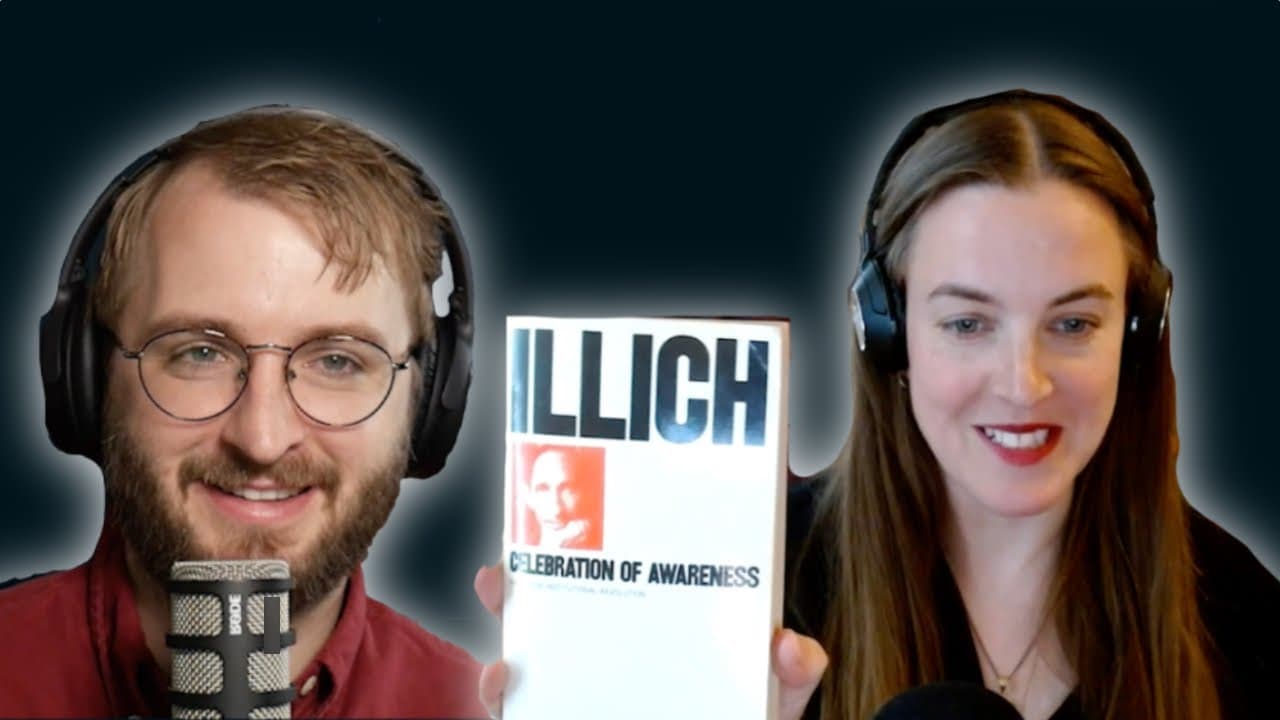
A thoughtful lecture exploring Ivan Illich's radical 1971 critique of compulsory schooling — his argument that schools institutionalize inequality, monopolize learning, and destroy authentic education — and asking how prescient his vision of networked learning has turned out to be in the age of the internet and self-directed education.
Richard Louv, author of Last Child in the Woods, speaks on the measurable benefits of nature time on children's health, focus, creativity, and wellbeing — and what families and schools can do to reverse the trend of nature-deficit disorder.
Researchers Hamlin and Peterson examine the dramatic surge in homeschooling during COVID-19 and the rise of hybrid models — pods, cooperatives, and online programs — that emerged alongside it. The article asks whether these shifts represent a durable realignment of American education or a temporary response to an extraordinary disruption.
Audrey Watters explores the historical origins of the school bell, arguing it was designed to condition students for factory work rather than reflect natural rhythms. The piece critiques how industrial-era technologies continue to dictate modern educational structures and behaviors.
A scholarly yet accessible conversation on Ivan Illich's prescient critiques of compulsory schooling — his concept of 'learning webs,' his vision for convivial tools, and why Deschooling Society (1971) remains urgently relevant in the age of the internet and self-directed learning.
A documentary look at the Sudbury Valley School in Framingham, Massachusetts — the original democratic free school where students of all ages govern themselves, choose their own activities, and learn through living, not curriculum.
Education scholar David Buckingham revisits Ivan Illich's 1971 manifesto in the context of pandemic school closures and the growing alternative education movement. He finds that Illich's critique of compulsory schooling and his vision of learner-led learning webs anticipates much of what the internet has made possible — while also identifying the limits of that optimism.
Kerry McDonald makes a well-researched, accessible case for self-directed education outside conventional schooling, profiling unschooling families across the US and examining the research on intrinsic motivation, mastery learning, and the long-term outcomes of self-directed learners. A clear-eyed introduction for skeptical parents.
In this TED talk, psychologist Peter Gray argues that schools systematically extinguish children's natural curiosity and passion through extrinsic rewards and punishments — and that self-directed, interest-led learning not only preserves those passions but produces deeper competence than conventional instruction.
Economist Bryan Caplan argues that the primary purpose of education is signaling rather than learning — and that this means we're wasting trillions of dollars on schooling.
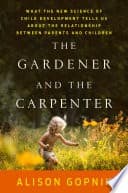
Alison Gopnik, one of the world's leading child development researchers, argues that the modern obsession with 'parenting' as a goal-directed activity — shaping children into specific outcomes — is both scientifically misguided and harmful. Instead, she proposes a gardener model: creating a rich, safe environment and allowing children's natural curiosity and play to drive their development.
Peter Gray's widely-shared TEDx talk on how the decline of unsupervised, child-directed play over the past 60 years is directly linked to the rise in anxiety, depression, and mental illness among children and young adults.
Waldorf educator Jack Petrash describes three capacities children need for an unknowable future — focused willpower, emotional resilience, and original thinking — and explains how Waldorf education's arts-integrated approach builds each one.
David Groth, a 40-year veteran teacher, uses juggling and classroom stories to demonstrate how play-based learning raises engagement and academic performance, arguing that play is not a break from learning but its most powerful vehicle.
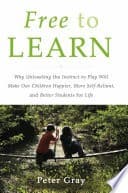
Peter Gray argues that children are biologically designed to learn through self-directed play and exploration, and that modern schooling suppresses these instincts.
Emily Chertoff profiles Sudbury Valley School and the broader democratic schooling movement — schools where students have complete freedom to direct their own learning, set the rules, and run daily governance. A 2012 longform look at arguably the most radical ongoing experiment in American education and what researchers have found about its graduates.
UC Berkeley developmental psychologist Alison Gopnik reveals that babies are not blank slates but extraordinary learning machines — running rapid-fire experiments on the world. This widely-viewed TED talk reframes early childhood as the research and development division of the human species, with huge implications for how we design education.
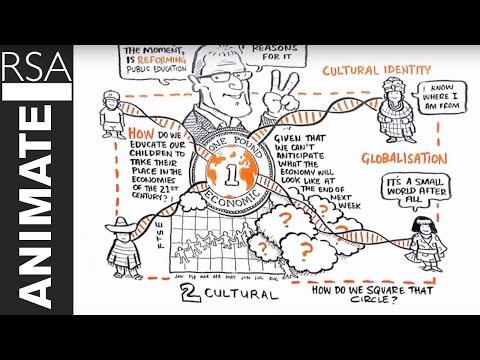
Sir Ken Robinson’s animated RSA talk arguing that industrial-age schooling suppresses creativity and divergent thinking — and calling for a revolution in education.
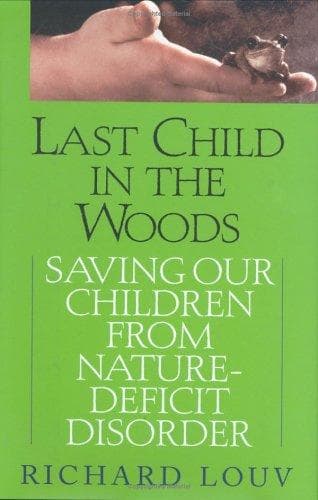
Richard Louv coins the term 'nature-deficit disorder' and makes a powerful case that children's disconnection from nature is fueling a crisis of attention, creativity, and wellbeing.
Gatto's follow-up to Dumbing Us Down, examining how compulsory schooling became a tool for managing and limiting the population — and profiling the historical figures who built the system.
The most-watched TED Talk of all time. Sir Ken Robinson argues with wit and passion that public school systems squander children's creative talents and that a radical rethink of education is urgently needed.
A curated collection of letters from John Holt revealing the intellectual development of the father of unschooling — from school reformer to radical deschooler.
A companion to How Children Fail, this seminal book by John Holt observes how young children learn through play, exploration, and curiosity before formal schooling gets in the way. Holt argues that children are naturally brilliant, fearless learners and that our job as adults is to protect that drive, not direct it.
Ivan Illich's radical 1971 critique of compulsory schooling argues that institutional education creates dependency and proposes 'learning webs' as an alternative.
A.S. Neill's account of Summerhill — the radical democratic school he founded in England in 1921 — where children are never compelled to attend lessons or obey adult authority.
We are partially ad-funded!