Free
🔗Resource
Hack Education
Audrey Watters' longstanding independent research site dedicated to the history and future of education technology — critical, rigorous, and free of advertising or vendor influence.
Free·Online
View For
Those working on education law, policy, and advocacy for educational freedom.
110 resources tagged for this audience
Audrey Watters' longstanding independent research site dedicated to the history and future of education technology — critical, rigorous, and free of advertising or vendor influence.
Jill Barshay reports on more than a third of the federal education research budget — an estimated $289 million — sitting at risk of going unspent due to bureaucratic delays at the Institute of Education Sciences.
Mike Goldstein and Sean Geraghty argue that as IES is rebuilt, the US needs an anonymous, representative survey measuring what students do between 3 p.m. and midnight — not just academic performance.
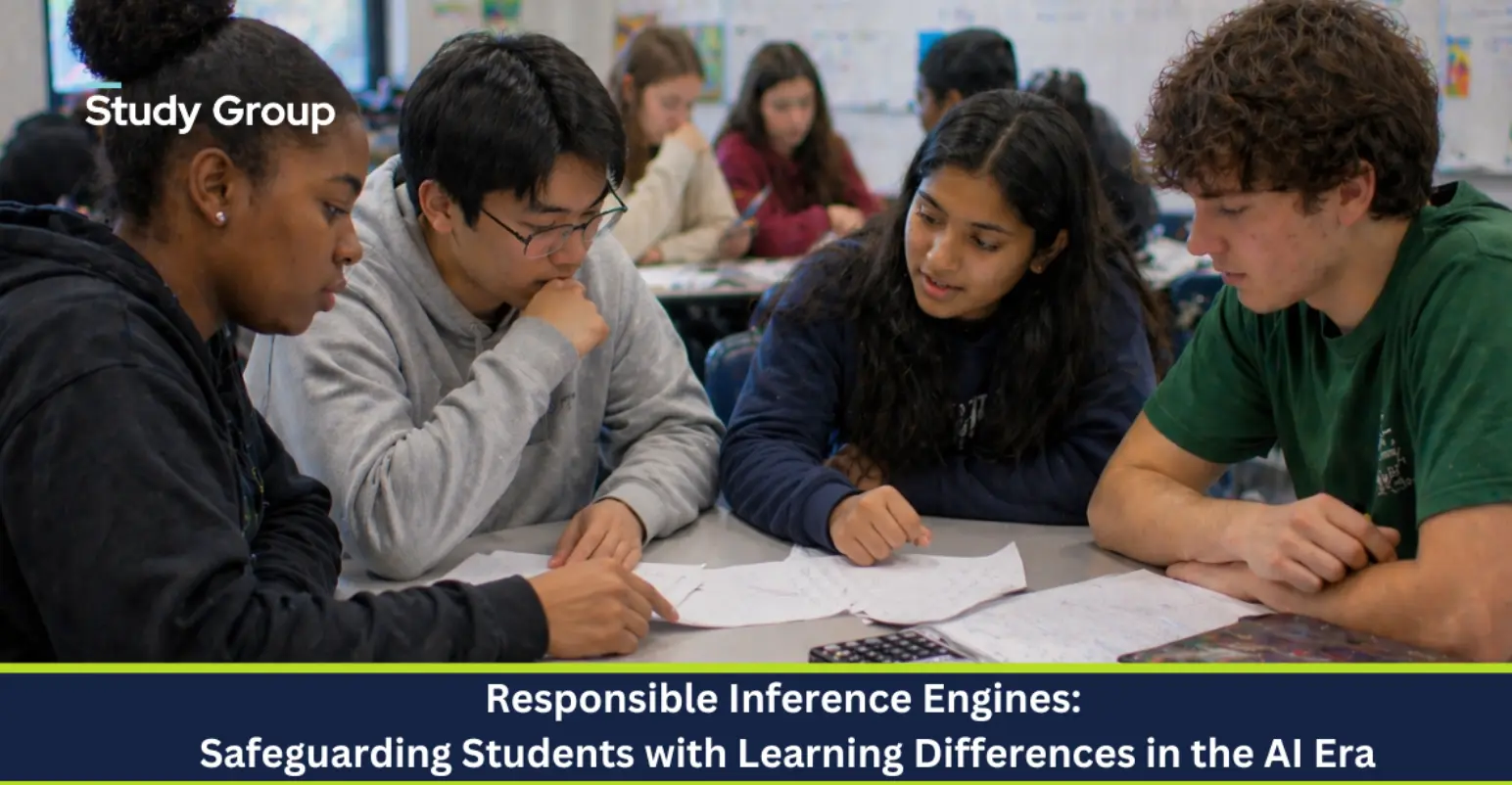
Eric Tucker examines why students with disabilities must be centered in AI education policy, and what it would take to ensure emerging AI tools serve — rather than further disadvantage — learners with different needs.
How a cross-state coalition in Kansas City is expanding real-world learning opportunities by connecting schools with employers, building market-value assets, and preparing students for careers they actually want.
Alabama allows homeschooling through a church/private school enrollment option or by working with an approved church school. There is no state notification requirement if operating under a church umbrella school.
Alaska offers several homeschool options including a 'home school' option requiring annual notification to the local school district, and correspondence/state programs. Requirements are minimal and Alaska is considered one of the more permissive states.
Arizona has simple, permissive homeschool laws. Parents must file an affidavit with the county school superintendent, but there are no required standardized tests, curriculum mandates, or teacher qualification requirements.
Arkansas requires annual written notice to the local school district before the school year begins. There are no required standardized tests, no curriculum mandates, and no teacher qualification requirements.
Connecticut requires no formal notification or registration to begin homeschooling. Parents must provide instruction equivalent to that in public schools in required subjects. Connecticut is considered a low-regulation state.
Delaware allows homeschooling with low regulatory requirements. Families operate under one of three options and must notify authorities, but there is no required standardized testing and no teacher qualification requirements.
Georgia home study programs file an annual declaration of intent with the state Department of Education by September 1, provide 180 days of instruction at 4.5 hours per day, and test students with a nationally standardized test at least every three years. Records stay with the family.
Hawaii requires annual notification to the state Department of Education and annual assessment of student progress. There is no required standardized test format and no teacher qualification requirement.
Idaho is one of the least regulated states for homeschooling. There is no notification requirement and no required testing, though parents must cover state-mandated subject areas.
Indiana is highly permissive. Homeschools are treated as non-accredited private schools. There is no notification or registration requirement, no required testing, and no curriculum oversight.
Iowa offers several homeschool options with varying levels of oversight. Most families use the Competent Private Instruction (CPI) option, which requires annual assessment by a licensed teacher or standardized testing.
Kansas requires a first-year notification and periodic assessment, but otherwise has minimal homeschool regulations. There is no annual reporting requirement and no mandated curriculum, though periodic testing is required.
Kentucky requires notification to the local school district and instruction in state-mandated subjects. There is no required standardized testing and no teacher qualification requirements.
Louisiana offers two main homeschool options. Families using Option 1 (BESE-approved home study) must apply annually and have children assessed. There is no teacher qualification requirement.
Maine requires notification and annual assessment under its primary homeschool option. Maine has two pathways with differing requirements; one involves teacher qualifications for the instructing parent.
Maryland offers two main homeschool options: supervised by the local school district (with portfolio reviews) or enrollment under a church umbrella school. Requirements vary by option but are generally moderate.
Minnesota requires an annual report to the local superintendent, instruction in required subject areas, and an annual nationally norm-referenced achievement test. The person providing instruction must meet one of five statutory qualification options.
Mississippi has minimal homeschool regulations. Families simply file a certificate of enrollment with the local school district each year. There is no required testing, curriculum, or teacher qualifications.
Missouri requires no notification but does require annual assessment and instruction in state-mandated subjects. Parents must maintain records, but there is no teacher qualification requirement.
Montana requires annual notice to the county superintendent and instruction in state-mandated subjects. There is no required standardized testing and no teacher qualification requirement.
Nebraska homeschools operate as private schools that elect not to meet state accreditation requirements. Families file an election with the Commissioner of Education and renew an assurance annually. There is no testing requirement and no teacher certification requirement.
Nevada requires annual notice of intent and instruction in state-mandated subjects. There is no required standardized testing and no teacher qualification requirements. Nevada is a low-regulation state.
New Hampshire requires annual notice of intent and an annual academic assessment. However, parents have flexibility in choosing the assessment method, and there is no required curriculum or teacher qualification requirement.
New Jersey is one of the very few states with no notice or registration requirement for homeschooling. Parents simply ensure their child receives equivalent instruction in required subjects.
New Mexico requires notification to the state Public Education Department, teacher qualification requirements for the instructing parent, and instruction in state-mandated subjects. There is no required standardized testing.
North Dakota has among the most stringent homeschool regulations in the nation, requiring parent qualifications, annual assessments, and approval-based oversight for families who do not meet the teacher qualification threshold.
Oklahoma is one of the most permissive homeschool states. There is no notification requirement, no required testing, no curriculum mandates, and no teacher qualification requirements.
Oregon requires annual notice to the local school district and standardized testing every other year beginning in grade 3. Oregon has moderate requirements compared to national averages.
Rhode Island requires notification and instruction in state-mandated subjects. Despite having some local approval steps, Rhode Island is classified as a low-regulation state. There is no required standardized testing.
South Carolina offers three main homeschool options with varying requirements, including direct approval through the local school district, accountability organization membership, or operating under a third-party association. Requirements vary by option.
South Dakota requires annual notification to the local school board and instruction in state-mandated subjects. There is no required standardized testing and no teacher qualification requirements.
Tennessee allows homeschooling through multiple options with varying requirements. Under certain options, annual testing applies; under others, it does not. Teacher qualification requirements apply. There are no state-mandated curriculum requirements.
Utah requires annual notice to the local school district and periodic assessment but is generally considered a permissive state. Utah also offers robust charter and alternative school options alongside traditional homeschooling.
Vermont requires annual enrollment notification to the state Agency of Education. An annual assessment by a qualified evaluator is required, but there is flexibility in how that assessment is conducted.
West Virginia requires annual notice to the county superintendent and an annual assessment, with results submitted to the school. West Virginia has moderate-to-stringent requirements relative to most states.
Wisconsin requires an annual home-based private educational program declaration filed with the state Department of Public Instruction. Beyond this simple filing, requirements are minimal — no required testing, curriculum, or teacher qualifications.
Wyoming is one of the most permissive homeschool states. No notification is required, there is no required testing, and no teacher qualification requirements. Parents must cover state-mandated subject areas.
Mason Pashia examines how Georgia is using O*NET skill evaluations to build credible, portable evidence of student competency through work-based learning — a replicable model for translating employer partnerships into verifiable credentials.
The Texas legislature passed SB 284 in February 2026, modifying reporting requirements for homeschool families. Here's what you need to know.
A longitudinal study published in the Journal of Alternative Education examines academic, social, and emotional outcomes for adults who were unschooled as children.
With universal ESA eligibility now the norm in many states, the conversation shifts to improving program access and ensuring families can actually use the funds across a wide array of qualifying educational expenses.
Texas has some of the most permissive homeschool laws in the United States. There is no notification requirement, no required curriculum beyond five basic subjects, and no state oversight.
California allows homeschooling through several legal options, most commonly by filing as a private school (PSA). Requirements include filing annually and keeping attendance records.
New York has some of the most detailed homeschool regulations in the country, requiring annual notification, individualized home instruction plans (IHIP), quarterly reports, and annual assessments.
Homeschooling is effectively illegal in Germany. All children are required to attend a state-approved school, and families who attempt to homeschool face significant legal consequences.
Florida is a homeschool-friendly state with straightforward requirements: file a notice of intent, keep a portfolio, and submit to an annual evaluation. No standardized testing is required if a portfolio review is chosen.
Pennsylvania requires annual affidavit filing, a detailed portfolio, standardized testing in specific grades, and a portfolio review by a certified evaluator — one of the more structured states in the Mid-Atlantic.
Illinois is a very low-regulation homeschool state. Homeschools are treated as private schools with no notification, registration, or testing requirements — parents simply educate their children at home.
Ohio became one of the least-regulated homeschool states in October 2023. Families file a simple annual notice with the district superintendent; there are no assessment, instructional-hour, or parent-qualification requirements.
Virginia allows homeschooling through a religious exemption or under the general homeschool statute, which requires annual notice, evidence of parent qualifications, and annual proof of academic progress.
Washington requires parents to declare intent to homeschool, meet qualification requirements, provide 1,000 hours of instruction including 2 hours/day of core subjects, and administer an annual assessment.
Colorado is a moderate-regulation state: parents must notify the local district, provide 172 days of instruction in required subjects, and have the child assessed every other year.
Michigan is a very permissive state for homeschooling — no notification, registration, or testing is required. Families have broad freedom in curriculum choice.
Massachusetts requires prior approval from the local school district before homeschooling begins — one of just a handful of states with an approval requirement. The standards for approval vary significantly by district.
North Carolina requires annual notice to the state, at least 9 months of instruction per year, and annual nationally standardized achievement testing — but has no required subjects beyond English and mathematics.
Ontario allows homeschooling by filing a written notice of intent with the local school board. No curriculum or testing requirements exist at the provincial level, making Ontario one of Canada's most permissive provinces.
Home education is legal throughout the UK. Parents in England must deregister from school if previously enrolled and are not required to follow the national curriculum, use set hours, or have their children assessed.
Homeschooling is legal in all Australian states and territories, but requirements vary significantly by state. Most require registration with the state education authority and periodic home visits or portfolio assessments.
Homeschooling is not permitted in the Netherlands as a primary form of education. Compulsory attendance laws require children to attend a recognized school, though families may apply for a philosophical exemption in limited circumstances.
New Zealand has a well-established homeschooling framework. Families can apply for a Homeschooling Exemption Certificate from the Ministry of Education, and approved families receive a modest government allowance.
South Africa legally permits homeschooling, but parents must register their children with the provincial Department of Education and meet curriculum standards aligned with the National Curriculum Statement.
Ireland permits homeschooling but requires parents to apply to Tusla (Child and Family Agency) for an exemption from compulsory school attendance. Families must demonstrate that suitable education is being provided.
France dramatically restricted homeschooling in 2022, now requiring families to obtain prior authorization from local authorities. Approved cases are limited to specific circumstances such as health conditions.
Can you homeschool a child with an IEP? Do you keep special ed services? The answers depend on your state — this guide untangles the key questions.
Robert C. Thornett argues that classical education, grounded in the Western liberal arts tradition and great texts, uniquely prepares students for democratic citizenship by cultivating shared cultural understanding and virtue. The approach fosters nuanced discourse about conflicting viewpoints while engaging timeless questions about leadership and the common good.
From intrinsic motivation theory to decades of studies at democratic schools, the evidence for self-directed education is much stronger than its critics claim.
Analyzes virtual school enrollment trends across state programs in Georgia, Texas, Michigan, and Massachusetts post-pandemic, finding steady but uneven growth alongside a 65% four-year graduation rate versus the 86.5% national average.
New NHERI survey data shows homeschooling has grown in every state since 2019, with particularly dramatic increases in Florida, Arizona, and several Midwestern states.
Frontiers in Education research compared 8th-grade test scores across Waldorf charter schools, non-Waldorf charters, and traditional public schools in California, finding that Waldorf students significantly outperformed both groups in English Language Arts and mathematics — consistent with the Waldorf approach of delaying formal academics in favor of developmental readiness.
Education policy researcher Michael McShane surveys the emerging landscape of microschools, hybrid homeschool programs, and learning pods — intentionally small schools of 15 students or fewer — giving families new alternatives beyond traditional district and charter schools. The piece examines their legal status, diversity of models, and policy implications.
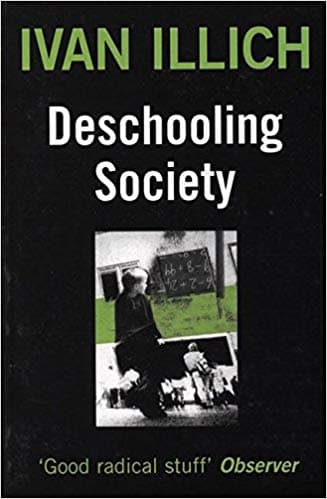
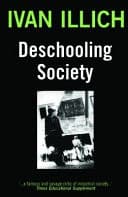
Austrian-Croatian philosopher whose 1971 book Deschooling Society remains one of the most radical and influential critiques of institutional education ever written.
Three-time New York City Teacher of the Year who resigned from teaching to become one of the most radical critics of compulsory schooling in America.
British educator and creativity researcher whose 2006 TED Talk 'Do Schools Kill Creativity?' remains the most-viewed TED Talk of all time, with over 70 million views.
Author of Unschooled and education policy researcher, Kerry McDonald is a senior fellow at the Foundation for Economic Education and one of the most prominent writers making the evidence-based case for self-directed learning and alternatives to conventional schooling.
President and co-founder of the Families and Work Institute and author of Mind in the Making, Ellen Galinsky spent decades synthesizing child development research to identify the life skills that matter most for children's long-term success — findings that directly challenge test-score-driven education.
The largest homeschool legal advocacy organization in the US, offering legal support, state-by-state law summaries, and policy advocacy for homeschooling families.
A non-profit research and data organization publishing peer-reviewed studies on homeschooling outcomes in academic, social-emotional, and civic domains. The go-to source for homeschool research data.
An international organization working to reconnect children, families, and communities to the natural world. Publishes research on nature's role in health and learning, and provides a community finder for nature-based programs.
An international platform connecting homeschooling communities, organizations, and families across 50+ countries. Publishes research, hosts a global conference, and advocates for homeschooling freedom internationally.
A broad national alliance advocating for strong STEM education policies, funding, and programs. Publishes research and policy briefs useful for educators, parents, and school founders interested in STEM-focused education.
An organization supporting student voice, youth civic engagement, and democratic principles in all educational settings. Offers training, publications, and a network for schools transitioning toward more democratic structures.
The leading advocacy and professional development organization for gifted and talented education in the US. Offers research summaries, policy advocacy, a parent resource hub, and connections to state gifted associations — essential for families of gifted and twice-exceptional children navigating the education system.
Founded by journalist Lenore Skenazy and researcher Peter Gray, Let Grow advocates for giving children back their independence, free play, and unsupervised time. Offers school programs, parent resources, and policy advocacy to reverse the trend of over-supervised, risk-averse childhood.
The world's leading organization for project-based learning, offering the Gold Standard PBL framework, professional development for teachers, research publications, and free project planning tools. The definitive resource for educators implementing rigorous, meaningful PBL.
HSLDA's comprehensive directory of homeschool organizations and legal information covering dozens of countries worldwide — an essential first stop for international families researching the legal landscape and support networks available in their country.
A non-profit research and advocacy organization making the case for play, hands-on learning, and childhood freedom in early education. Publishes influential reports on the decline of play in schools and advocates for policy changes that restore creative play to kindergarten and early elementary.
A rigorous Campbell Collaboration systematic review analyzed 32 studies and found that Montessori education produces meaningful positive effects on academic outcomes — especially math and language — and even stronger effects on nonacademic outcomes including executive function, creativity, and social-emotional development compared to traditional schooling.
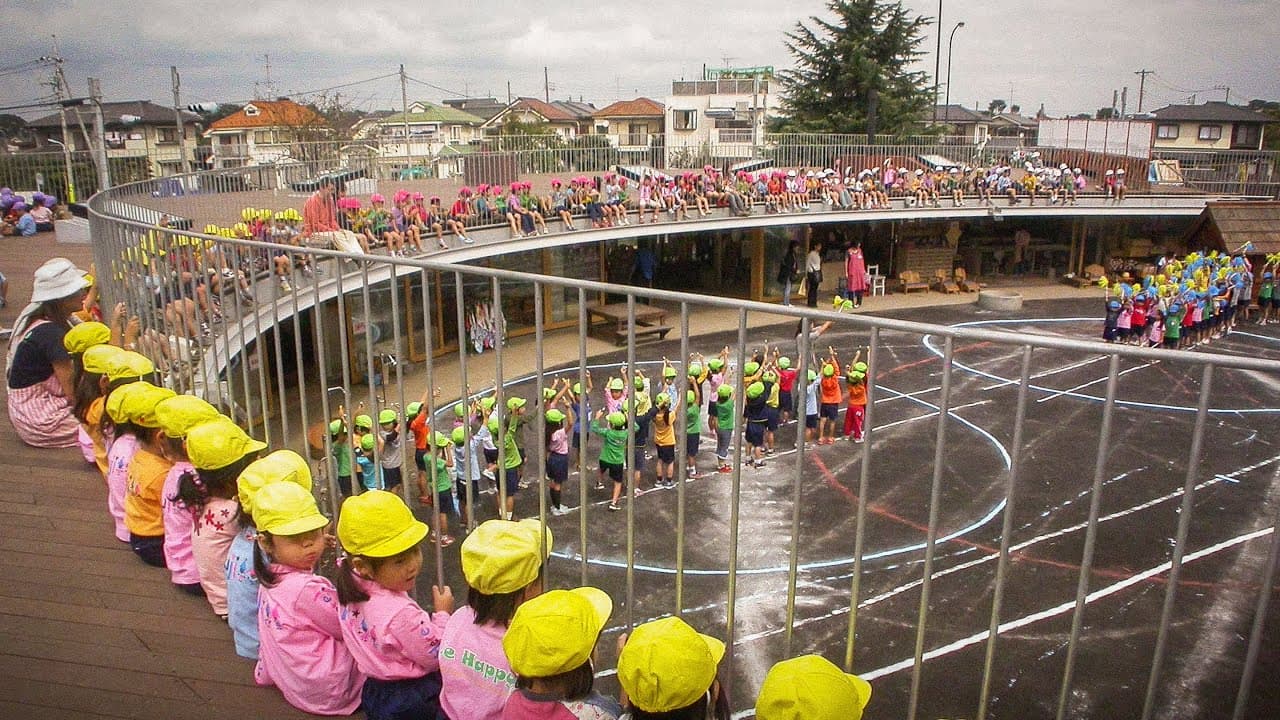
Japanese architect Takaharu Tezuka presents the Fuji Kindergarten in Tokyo — a circular, open rooftop school designed specifically for children's natural movement, play, and wonder — making a powerful visual case for why the physical environment of childhood matters enormously.
Education Next examines the case for strengthening — rather than restricting — online and virtual schooling options, arguing that well-designed online schools serve important populations including rural students, medically fragile learners, and gifted students seeking advanced coursework unavailable locally. The article reviews outcome data and offers criteria for distinguishing high-quality virtual schools.
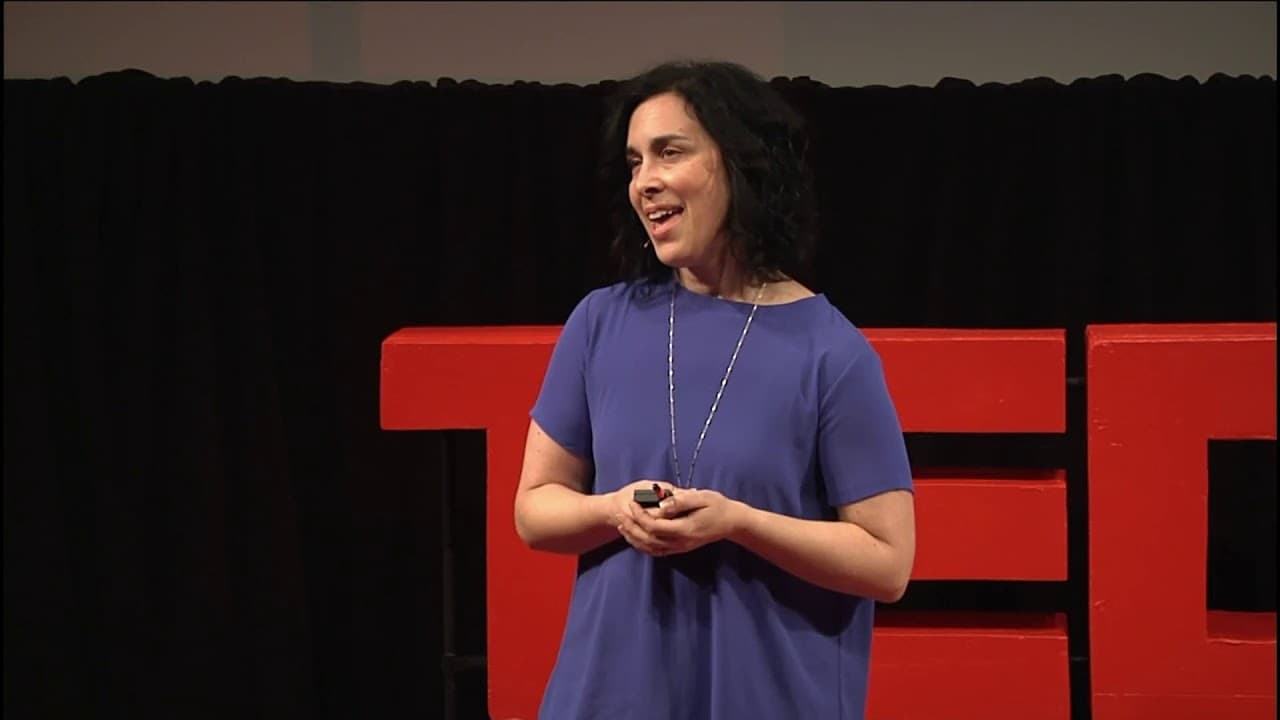
Educator Paulette Unger's TEDx talk on how shifting from teacher-directed instruction to genuine dialogue and inquiry transforms students into self-directed learners — drawing on her classroom experience and the research behind student-led learning.
NHERI research shows that faith and religious values are among the most consistent drivers of homeschooling decisions, and that homeschooled adults show substantially higher rates of religious belief and practice than their publicly or privately schooled peers — findings with significant implications for policy, faith communities, and the families navigating the intersection of belief and education.
Education Next profiles the Classical Learning Test (CLT), a college admissions test designed around the Western canon and classical education values, examining whether it offers a genuine alternative to the SAT/ACT for classically educated students and the growing number of colleges aligned with classical or faith-based academic traditions.
A research review of Forest School programs finds consistent evidence that regular outdoor, child-led learning in natural environments reduces stress, increases physical activity, builds resilience, and improves social skills — with the strongest gains for children who participate in repeated, extended sessions rather than occasional visits.
A research synthesis reviews evidence that high-quality PBL reduces achievement gaps for historically underserved students, with one landmark study finding that second graders in high-poverty PBL classrooms virtually erased the gap between low- and high-SES students in social studies and informational reading.
Researchers Hamlin and Peterson examine the dramatic surge in homeschooling during COVID-19 and the rise of hybrid models — pods, cooperatives, and online programs — that emerged alongside it. The article asks whether these shifts represent a durable realignment of American education or a temporary response to an extraordinary disruption.
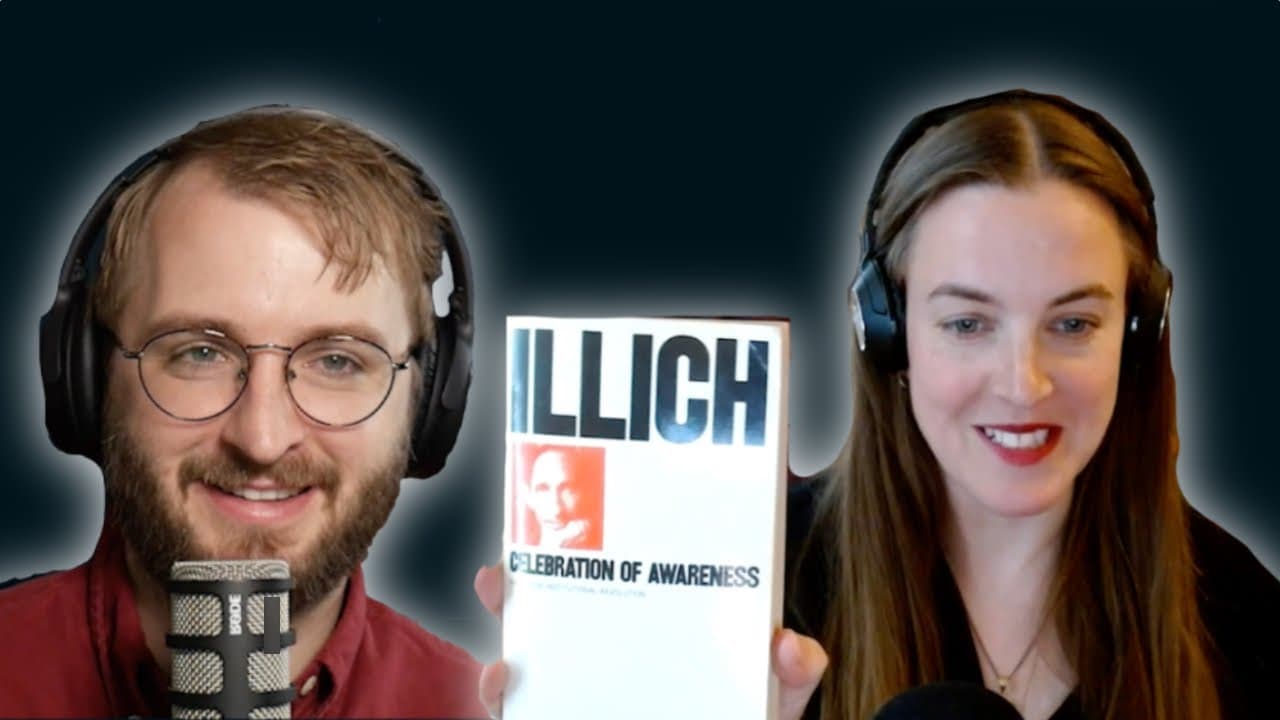
A scholarly yet accessible conversation on Ivan Illich's prescient critiques of compulsory schooling — his concept of 'learning webs,' his vision for convivial tools, and why Deschooling Society (1971) remains urgently relevant in the age of the internet and self-directed learning.
Using propensity score matching with the Austrian PISA 2015 sample, researchers found that Waldorf students report significantly higher enjoyment and interest in science than matched peers but do not outperform them on standardized assessments. The study suggests inquiry-based science instruction in Waldorf schools successfully builds intrinsic motivation while academic achievement follows a different developmental arc.
Education scholar David Buckingham revisits Ivan Illich's 1971 manifesto in the context of pandemic school closures and the growing alternative education movement. He finds that Illich's critique of compulsory schooling and his vision of learner-led learning webs anticipates much of what the internet has made possible — while also identifying the limits of that optimism.
Two large randomized controlled trials involving over 6,000 students across 114 schools found that project-based learning significantly outperformed traditional instruction across grade levels and demographic groups. Particularly compelling: low-income students showed the same gains as their wealthier peers, making PBL a promising equity strategy.
In this TED talk, psychologist Peter Gray argues that schools systematically extinguish children's natural curiosity and passion through extrinsic rewards and punishments — and that self-directed, interest-led learning not only preserves those passions but produces deeper competence than conventional instruction.
Economist Bryan Caplan argues that the primary purpose of education is signaling rather than learning — and that this means we're wasting trillions of dollars on schooling.
Gatto's follow-up to Dumbing Us Down, examining how compulsory schooling became a tool for managing and limiting the population — and profiling the historical figures who built the system.
The most-watched TED Talk of all time. Sir Ken Robinson argues with wit and passion that public school systems squander children's creative talents and that a radical rethink of education is urgently needed.
John Taylor Gatto's influential indictment of compulsory schooling, drawing on his 30 years as a NYC teacher and three-time Teacher of the Year.
Ivan Illich's radical 1971 critique of compulsory schooling argues that institutional education creates dependency and proposes 'learning webs' as an alternative.
We are partially ad-funded!