Free
🔗Resource
Cooperative Learning Institute
The Cooperative Learning Institute is dedicated to increasing the use and study of cooperation in the classroom, with research, training, and practical resources.
Free·Online
View For
Those studying alternative education outcomes, policy, and practice.
117 resources tagged for this audience
The Cooperative Learning Institute is dedicated to increasing the use and study of cooperation in the classroom, with research, training, and practical resources.
Founded in 1996, RIWE deepens and enhances the quality of Waldorf education through research, publications, and resources for educators and families worldwide.
Audrey Watters' longstanding independent research site dedicated to the history and future of education technology — critical, rigorous, and free of advertising or vendor influence.
A policy analysis of proposals to reform the Institute of Education Sciences — can restructuring the federal ed-research body cut through ideological gridlock?
Jill Barshay reports on more than a third of the federal education research budget — an estimated $289 million — sitting at risk of going unspent due to bureaucratic delays at the Institute of Education Sciences.
Mike Goldstein and Sean Geraghty argue that as IES is rebuilt, the US needs an anonymous, representative survey measuring what students do between 3 p.m. and midnight — not just academic performance.
Sarah Carr reports on a first-of-its-kind study finding that occupational, physical, and speech therapies delivered in early childhood produce measurable academic gains years later — with implications for when and how schools identify children's needs.
A longitudinal study published in the Journal of Alternative Education examines academic, social, and emotional outcomes for adults who were unschooled as children.
The most common objection to homeschooling — that kids won't learn to socialize — turns out to be largely unsupported by evidence. Here's what the studies show.
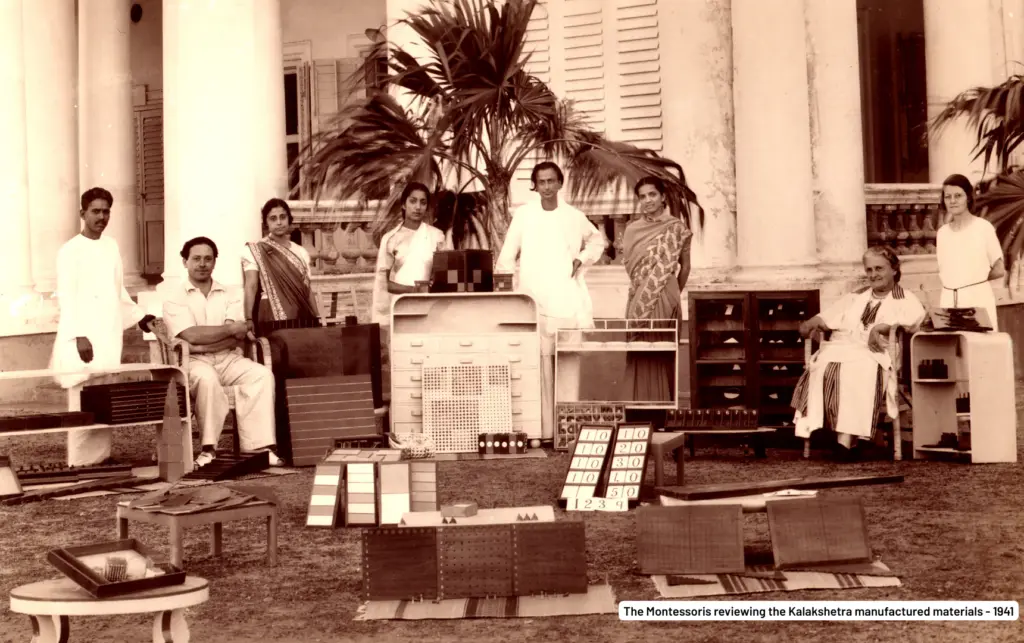
A research conversation with Dr. Sid Mohandes on Montessori's decade in India — its educational influence, complexities, and lasting impact.
A journalist spends a week at a Sudbury democratic school, observing how children of all ages self-govern, choose their activities, and develop at their own pace.
A Texas A&M study finds that nature-based outdoor learning improves literacy outcomes and well-being for both students and teachers, adding to a growing body of research on the measurable benefits of moving education outside.
Homeschooling is effectively illegal in Germany. All children are required to attend a state-approved school, and families who attempt to homeschool face significant legal consequences.
Homeschooling is not permitted in the Netherlands as a primary form of education. Compulsory attendance laws require children to attend a recognized school, though families may apply for a philosophical exemption in limited circumstances.
France dramatically restricted homeschooling in 2022, now requiring families to obtain prior authorization from local authorities. Approved cases are limited to specific circumstances such as health conditions.
Decades of research link outdoor unstructured play to improved attention, reduced anxiety, and stronger executive function. Educators are finally catching up.
A detailed exploration of Ivan Illich's 1971 'Deschooling Society,' tracing his critique of compulsory schooling as an institution that manufactures dependency, his alternative vision of 'learning webs' connecting learners with peers and mentors, and the enduring relevance of his ideas to contemporary alternative and self-directed education movements.
When done well, PBL at the secondary level produces students who are better collaborators, more creative problem-solvers, and just as strong academically as their peers. Here's the evidence.
Robert C. Thornett argues that classical education, grounded in the Western liberal arts tradition and great texts, uniquely prepares students for democratic citizenship by cultivating shared cultural understanding and virtue. The approach fosters nuanced discourse about conflicting viewpoints while engaging timeless questions about leadership and the common good.
From intrinsic motivation theory to decades of studies at democratic schools, the evidence for self-directed education is much stronger than its critics claim.
Long before Western alternative education movements, Indigenous communities developed place-based, intergenerational, and land-connected approaches to knowledge transmission that resonate with forest school and self-directed principles.
Analyzes virtual school enrollment trends across state programs in Georgia, Texas, Michigan, and Massachusetts post-pandemic, finding steady but uneven growth alongside a 65% four-year graduation rate versus the 86.5% national average.
A growing body of randomized controlled studies finds Montessori produces significant gains in executive function, reading, and social skills — but quality of implementation matters enormously.
New NHERI survey data shows homeschooling has grown in every state since 2019, with particularly dramatic increases in Florida, Arizona, and several Midwestern states.
From Summerhill in 1921 to today's growing network of ALC and Sudbury schools, the democratic school movement has a rich and often radical history worth knowing.
Research consistently shows that play-based preschool produces better long-term outcomes than academic preschool — yet the push toward early academics continues. Why?
Interviews with twenty adults who were unschooled K–12 reveal surprising career diversity — entrepreneurship, medicine, arts, trades — and a consistent theme of self-direction and resilience.
Researcher Rachael Cody at Oregon State University finds that parents of 2e children turn to homeschooling primarily to escape the masking problem — where disabilities hide giftedness or vice versa — and to access the individualized instruction public schools rarely provide. The article argues schools could retain more 2e families by training teachers to recognize asynchronous development.
Frontiers in Education research compared 8th-grade test scores across Waldorf charter schools, non-Waldorf charters, and traditional public schools in California, finding that Waldorf students significantly outperformed both groups in English Language Arts and mathematics — consistent with the Waldorf approach of delaying formal academics in favor of developmental readiness.
Patrick Farenga traces the origins of deschooling as a concept, exploring how Ivan Illich's 1971 book shaped the unschooling and homeschooling movements and what its vision of learning freedom means today.
Education policy researcher Michael McShane surveys the emerging landscape of microschools, hybrid homeschool programs, and learning pods — intentionally small schools of 15 students or fewer — giving families new alternatives beyond traditional district and charter schools. The piece examines their legal status, diversity of models, and policy implications.
The Gap Year Association's research summary draws on national alumni surveys and education abroad studies to show that structured gap years are linked to higher college GPAs, increased job satisfaction, and development of workforce skills including cultural awareness, communication, and self-direction — skills the World Economic Forum identifies as critical for 2030 employment.
The Children & Nature Network's research digest synthesizes evidence on the benefits of nature-based education for young children's development, school readiness, and long-term wellbeing.
Developmental psychologist, researcher, and author best known for his work on the importance of play and self-directed learning in child development.
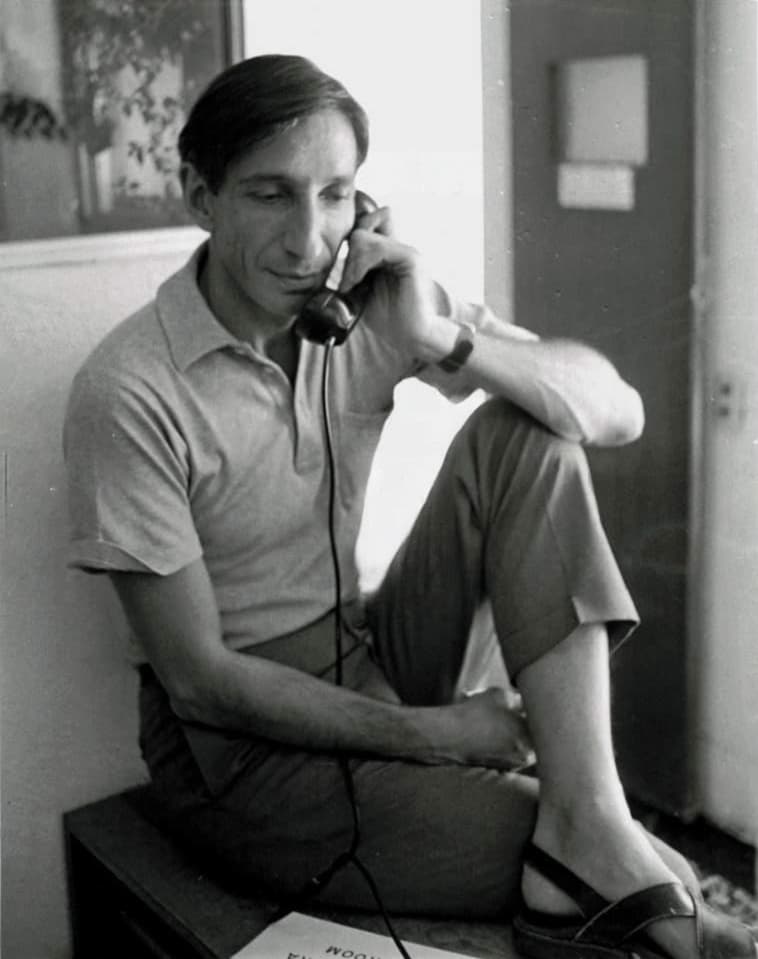
Austrian-Croatian philosopher whose 1971 book Deschooling Society remains one of the most radical and influential critiques of institutional education ever written.
Three-time New York City Teacher of the Year who resigned from teaching to become one of the most radical critics of compulsory schooling in America.
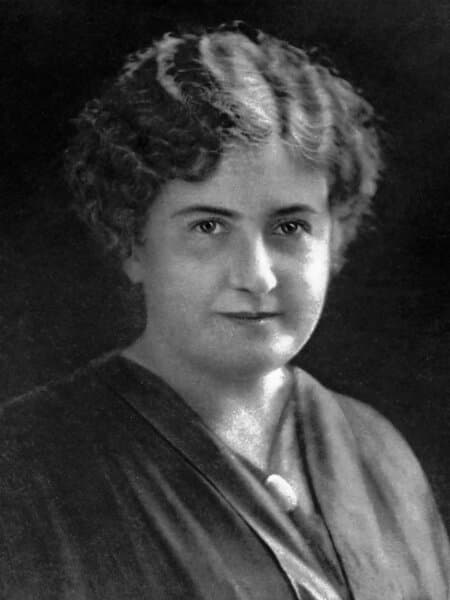
Italian physician and educator who developed the Montessori method in the early 20th century — one of the most scientifically researched and globally adopted alternative education approaches.
America's most outspoken critic of competition, grades, and behaviorist approaches to education — author of fifteen books challenging conventional wisdom in parenting and schooling.
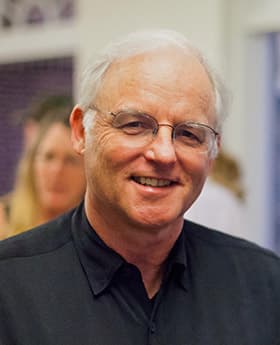
Co-founder of the Sudbury Valley School in 1968 and the most prolific writer documenting democratic, self-directed education over five decades.
Journalist and author who coined the term 'nature-deficit disorder' and sparked a global movement to reconnect children with the natural world.
Scottish educator who founded Summerhill School in 1921 — the world's oldest running democratic school — and whose book Summerhill sold over two million copies.
Victorian-era British educator whose philosophy — centered on living books, nature study, narration, and respect for the child — has had an extraordinary revival among 21st-century homeschoolers.
Developmental psychologist and leading academic researcher on the Montessori method, whose peer-reviewed studies have done more than any other to establish Montessori's evidence base.
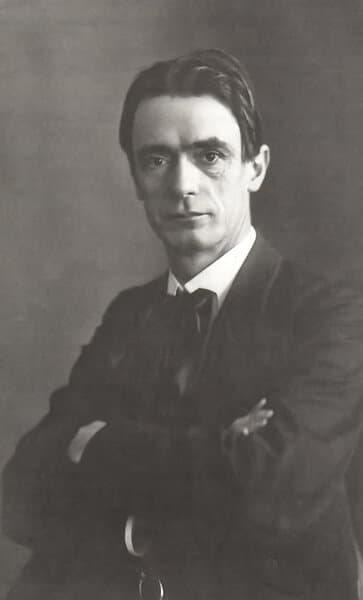
Austrian philosopher and esotericist who founded Anthroposophy and the Waldorf education movement, which now operates over 1,000 schools in 60 countries.
Author of Unschooled and education policy researcher, Kerry McDonald is a senior fellow at the Foundation for Economic Education and one of the most prominent writers making the evidence-based case for self-directed learning and alternatives to conventional schooling.
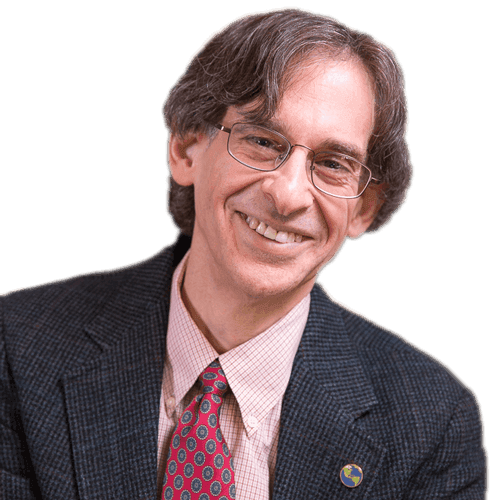
Professor of psychology at UC Berkeley and one of the world's leading researchers on child development, Alison Gopnik has transformed our understanding of how babies and young children think, learn, and imagine — and what that means for how we educate and parent them.
President and co-founder of the Families and Work Institute and author of Mind in the Making, Ellen Galinsky spent decades synthesizing child development research to identify the life skills that matter most for children's long-term success — findings that directly challenge test-score-driven education.
A non-profit research and data organization publishing peer-reviewed studies on homeschooling outcomes in academic, social-emotional, and civic domains. The go-to source for homeschool research data.
An international network connecting democratic and self-directed schools. Maintains a searchable directory of schools, publishes a newsletter, and organizes the annual Democratic Education Conference.
The official documentation resource from Reggio Children, the organization founded by Loris Malaguzzi in Reggio Emilia, Italy. Includes publications, study tours, and training for educators worldwide.
Peter Gray's free Substack newsletter where he shares research, essays, and reflections on self-directed learning and the importance of play — essential reading for anyone exploring unschooling or democratic education.
The complete digital archive of Growing Without Schooling, the pioneering newsletter John Holt published from 1977–2001. A historical treasure trove of unschooling stories, philosophy, and practical guidance.
An international organization working to reconnect children, families, and communities to the natural world. Publishes research on nature's role in health and learning, and provides a community finder for nature-based programs.
An international platform connecting homeschooling communities, organizations, and families across 50+ countries. Publishes research, hosts a global conference, and advocates for homeschooling freedom internationally.
A broad national alliance advocating for strong STEM education policies, funding, and programs. Publishes research and policy briefs useful for educators, parents, and school founders interested in STEM-focused education.
An organization supporting student voice, youth civic engagement, and democratic principles in all educational settings. Offers training, publications, and a network for schools transitioning toward more democratic structures.
The leading advocacy and professional development organization for gifted and talented education in the US. Offers research summaries, policy advocacy, a parent resource hub, and connections to state gifted associations — essential for families of gifted and twice-exceptional children navigating the education system.
A non-profit organization serving profoundly gifted students and their families, offering the Davidson Academy (free tuition public school for highly gifted students in Reno), the Davidson Fellows Scholarship, and a comprehensive online resource library for parents of highly gifted and twice-exceptional children.
The primary professional organization for educators and schools inspired by the Reggio Emilia approach in North America. Offers a school directory, professional development, publications, and the annual Innovations journal for Reggio-inspired practitioners.
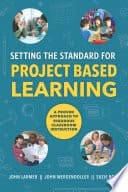
The world's leading organization for project-based learning, offering the Gold Standard PBL framework, professional development for teachers, research publications, and free project planning tools. The definitive resource for educators implementing rigorous, meaningful PBL.
A non-profit research and advocacy organization making the case for play, hands-on learning, and childhood freedom in early education. Publishes influential reports on the decline of play in schools and advocates for policy changes that restore creative play to kindergarten and early elementary.
This South African study examines how SOLE pedagogy affects different components of metacognitive skill — knowledge, monitoring, and regulation — in secondary Physical Sciences classrooms. Hodi Tsamago and Anass Bayaga argue that metacognitive development must be treated holistically and find that SOLEs produce measurable gains across all three dimensions when students are given genuine agency over their own inquiry.
A practical guide for families considering homeschooling a child with IEP-qualifying disabilities or chronic health conditions, covering legal rights and IDEA protections, designing an individualized curriculum, community resources, and how to access public school services like speech therapy while homeschooling.
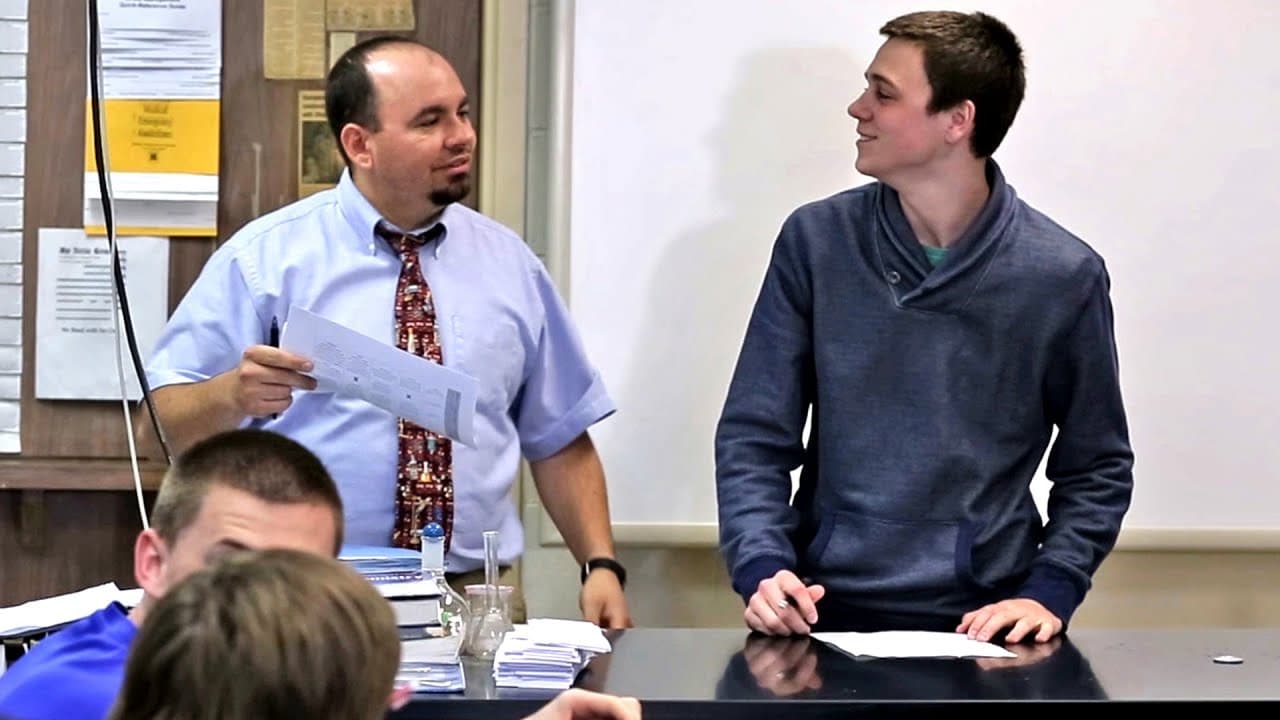
Edutopia visits a high school chemistry class using performance-based assessment — students design and conduct their own experiments, demonstrating how project-driven, evidence-based learning builds deeper scientific understanding than traditional tests.
A rigorous Campbell Collaboration systematic review analyzed 32 studies and found that Montessori education produces meaningful positive effects on academic outcomes — especially math and language — and even stronger effects on nonacademic outcomes including executive function, creativity, and social-emotional development compared to traditional schooling.
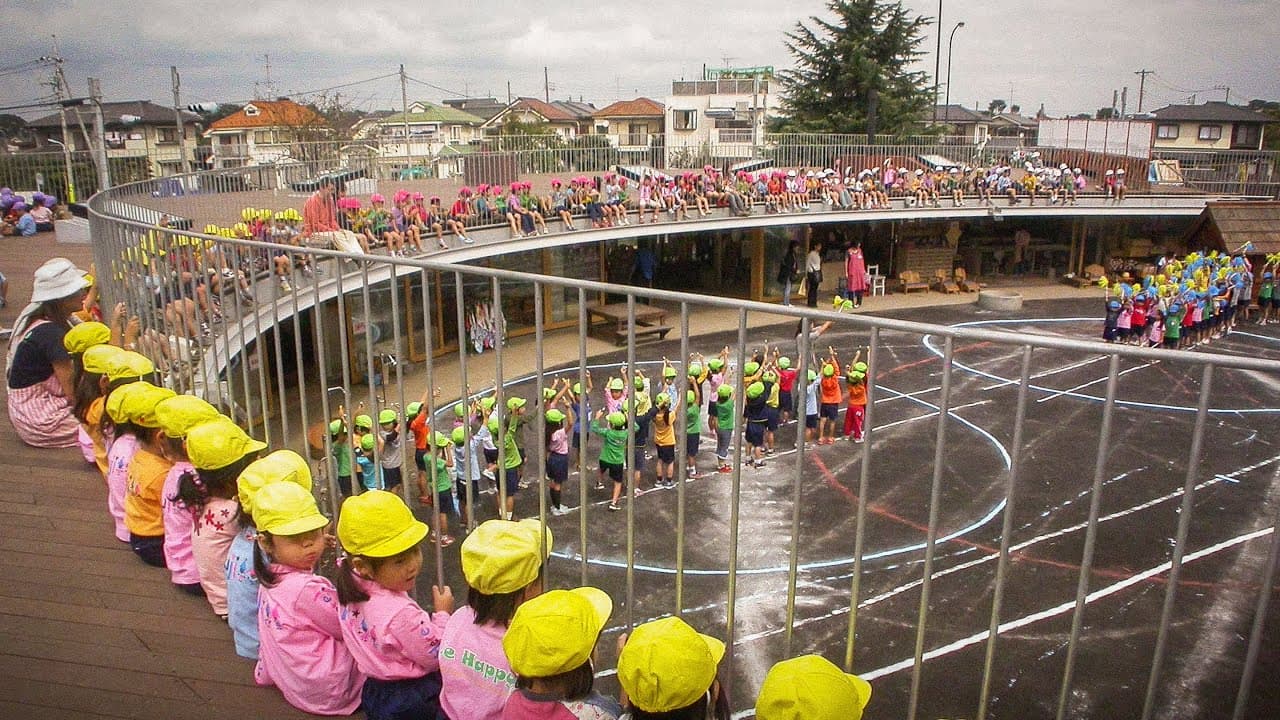
Japanese architect Takaharu Tezuka presents the Fuji Kindergarten in Tokyo — a circular, open rooftop school designed specifically for children's natural movement, play, and wonder — making a powerful visual case for why the physical environment of childhood matters enormously.
Education Next examines the case for strengthening — rather than restricting — online and virtual schooling options, arguing that well-designed online schools serve important populations including rural students, medically fragile learners, and gifted students seeking advanced coursework unavailable locally. The article reviews outcome data and offers criteria for distinguishing high-quality virtual schools.
Black families are forming homeschooling cooperatives and co-ops in growing numbers, driven by concerns about racism in schools, disciplinary disparities, and the desire for culturally affirming curriculum.
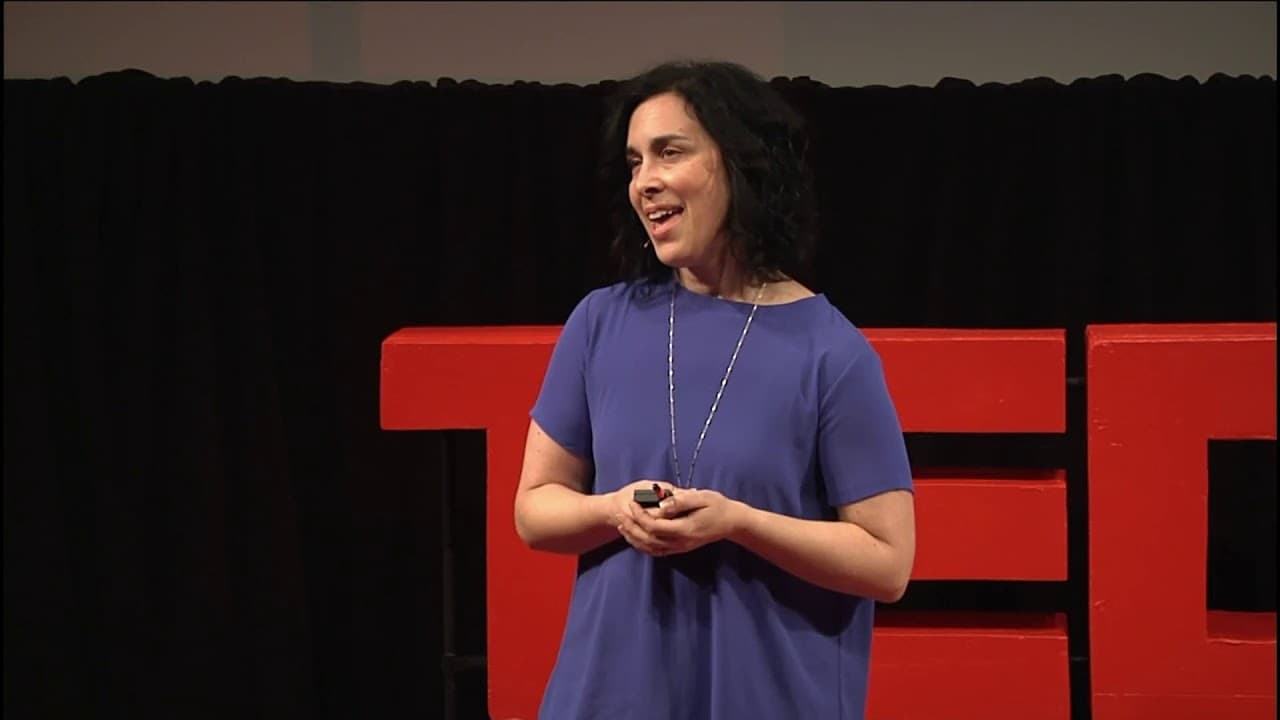
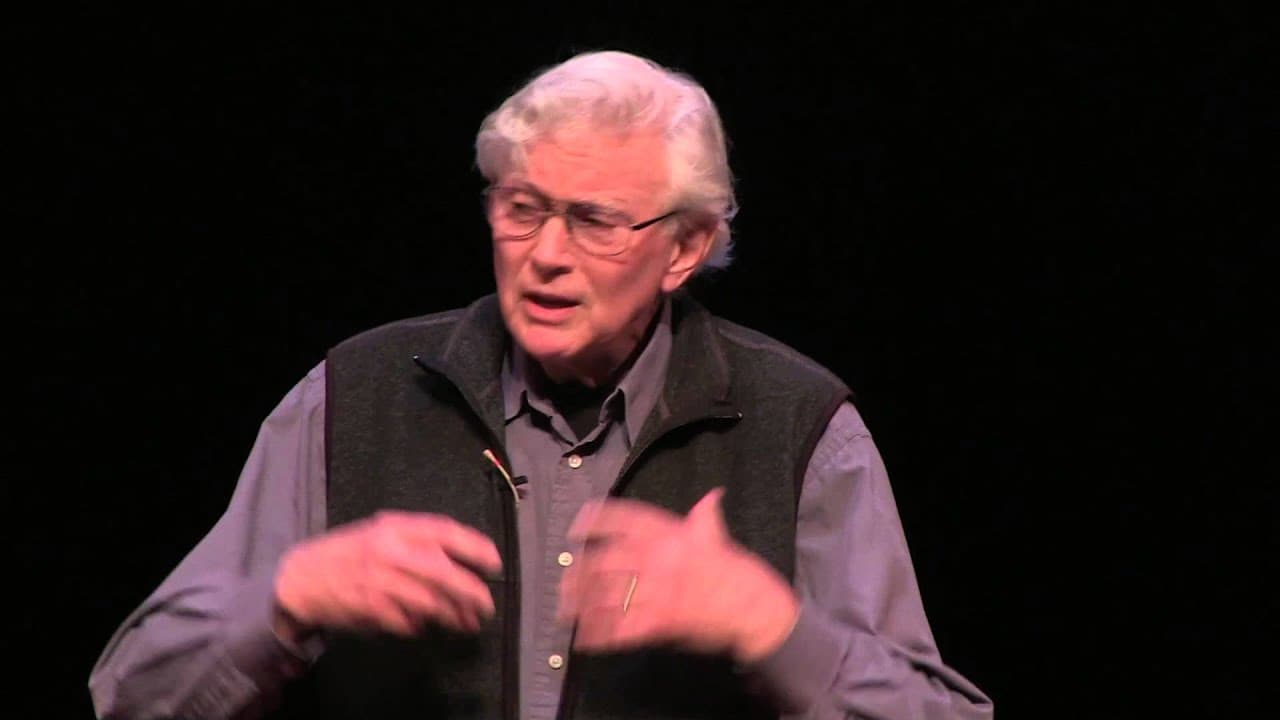
Educator Paulette Unger's TEDx talk on how shifting from teacher-directed instruction to genuine dialogue and inquiry transforms students into self-directed learners — drawing on her classroom experience and the research behind student-led learning.
NHERI research shows that faith and religious values are among the most consistent drivers of homeschooling decisions, and that homeschooled adults show substantially higher rates of religious belief and practice than their publicly or privately schooled peers — findings with significant implications for policy, faith communities, and the families navigating the intersection of belief and education.
Drawing on case studies from Sudbury Valley School, Brooklyn Free School, and Albany Free School, this feature explores what decades of democratic schooling reveal about the connection between student autonomy and intrinsic motivation — and what conventional schools can learn from giving students genuine authority over their learning environment.
An accessible and empathetic overview of twice-exceptional (2e) children — those with both high intellectual gifts and learning disabilities or differences — explaining the masking phenomenon, why 2e children often fall through the cracks, and how homeschooling and alternative education can provide the asynchronous, individualized support they need.
A research review of Forest School programs finds consistent evidence that regular outdoor, child-led learning in natural environments reduces stress, increases physical activity, builds resilience, and improves social skills — with the strongest gains for children who participate in repeated, extended sessions rather than occasional visits.
Alliance for Self-Directed Education co-founder Akilah S. Richards offers a compelling, personal overview of self-directed education — what it is, why it matters for children of color, and how families across income levels are making it work outside traditional schooling.
An in-depth look at the cornerstone of Montessori classroom structure — the uninterrupted three-hour work period — explaining why deep concentration develops when children choose their own work, how guides observe without interrupting, and what research shows about its impact on executive function and intrinsic motivation.
A mixed-methods systematic review synthesising evidence from nine databases on the associations between nature-based early childhood education and children's social, emotional, and cognitive development. Led by Avril Johnstone and colleagues, the review identifies consistent positive associations and maps significant gaps in the research base.
A research synthesis reviews evidence that high-quality PBL reduces achievement gaps for historically underserved students, with one landmark study finding that second graders in high-poverty PBL classrooms virtually erased the gap between low- and high-SES students in social studies and informational reading.
A thoughtful lecture exploring Ivan Illich's radical 1971 critique of compulsory schooling — his argument that schools institutionalize inequality, monopolize learning, and destroy authentic education — and asking how prescient his vision of networked learning has turned out to be in the age of the internet and self-directed education.
Richard Louv, author of Last Child in the Woods, speaks on the measurable benefits of nature time on children's health, focus, creativity, and wellbeing — and what families and schools can do to reverse the trend of nature-deficit disorder.
Researchers Hamlin and Peterson examine the dramatic surge in homeschooling during COVID-19 and the rise of hybrid models — pods, cooperatives, and online programs — that emerged alongside it. The article asks whether these shifts represent a durable realignment of American education or a temporary response to an extraordinary disruption.
A scholarly yet accessible conversation on Ivan Illich's prescient critiques of compulsory schooling — his concept of 'learning webs,' his vision for convivial tools, and why Deschooling Society (1971) remains urgently relevant in the age of the internet and self-directed learning.
Using propensity score matching with the Austrian PISA 2015 sample, researchers found that Waldorf students report significantly higher enjoyment and interest in science than matched peers but do not outperform them on standardized assessments. The study suggests inquiry-based science instruction in Waldorf schools successfully builds intrinsic motivation while academic achievement follows a different developmental arc.
A documentary look at the Sudbury Valley School in Framingham, Massachusetts — the original democratic free school where students of all ages govern themselves, choose their own activities, and learn through living, not curriculum.
Education scholar David Buckingham revisits Ivan Illich's 1971 manifesto in the context of pandemic school closures and the growing alternative education movement. He finds that Illich's critique of compulsory schooling and his vision of learner-led learning webs anticipates much of what the internet has made possible — while also identifying the limits of that optimism.
An exploration of pedagogical documentation — the Reggio Emilia practice of photographing, recording, and reflecting on children's learning processes — showing how it transforms teaching from delivery to research, deepens children's revisiting of their own ideas, and makes the invisible visible for families and the community.
NPR science reporter Michaeleen Doucleff spent time with Maya, Inuit, and Hadzabe families studying how they raise cooperative, helpful, and emotionally regulated children without the power struggles and behavioral problems common in Western parenting. Her findings challenge the dominant parenting paradigm and point toward more autonomy-supportive, community-embedded approaches.
Two large randomized controlled trials involving over 6,000 students across 114 schools found that project-based learning significantly outperformed traditional instruction across grade levels and demographic groups. Particularly compelling: low-income students showed the same gains as their wealthier peers, making PBL a promising equity strategy.
13-year-old Logan LaPlante's breakout TEDx talk on 'hackschooling' — how he designs his own education by treating learning as a creative, adaptive process focused on happiness and health — one of the most-watched alternative education talks ever given by a young person.
With rising academic expectations creating pressure to replace play with direct instruction in kindergarten, Meaghan Taylor and Wanda Boyer examine the evidence base for play-based learning as a vehicle for meeting early literacy and numeracy standards while preserving the child-directed, exploratory pedagogy that developmental research shows young learners need.
PBLWorks synthesizes decades of research on project-based learning, examining evidence for its impact on academic achievement, deeper learning, and student motivation across grade levels and subjects.
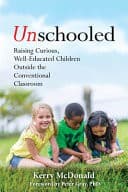
Kerry McDonald makes a well-researched, accessible case for self-directed education outside conventional schooling, profiling unschooling families across the US and examining the research on intrinsic motivation, mastery learning, and the long-term outcomes of self-directed learners. A clear-eyed introduction for skeptical parents.
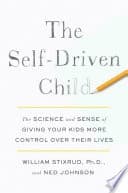
Neuropsychologist William Stixrud and educational consultant Ned Johnson argue that giving children more control over their own lives is the key to motivation, resilience, and wellbeing.
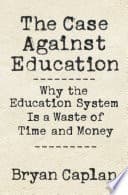
Economist Bryan Caplan argues that the primary purpose of education is signaling rather than learning — and that this means we're wasting trillions of dollars on schooling.
Peter Gray draws on evolutionary biology and developmental psychology to argue that four major biological drives — curiosity, playfulness, sociability, and planfulness — are the foundation of all human learning. He makes the case that self-directed education, as practiced in unschooling families and democratic schools, is the only model that allows all four drives to flourish simultaneously.
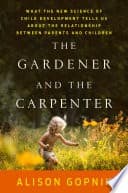
Alison Gopnik, one of the world's leading child development researchers, argues that the modern obsession with 'parenting' as a goal-directed activity — shaping children into specific outcomes — is both scientifically misguided and harmful. Instead, she proposes a gardener model: creating a rich, safe environment and allowing children's natural curiosity and play to drive their development.
From the Buck Institute for Education — the world's leading PBL organization — this comprehensive handbook provides the Gold Standard PBL framework with detailed guidance for designing, assessing, and managing projects that develop deep content knowledge and 21st-century competencies across subjects and grade levels.
Peter Gray's widely-shared TEDx talk on how the decline of unsupervised, child-directed play over the past 60 years is directly linked to the rise in anxiety, depression, and mental illness among children and young adults.
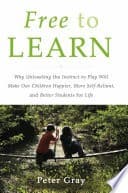
Peter Gray argues that children are biologically designed to learn through self-directed play and exploration, and that modern schooling suppresses these instincts.
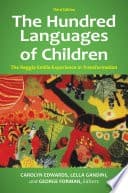
The definitive scholarly and practical anthology on the Reggio Emilia approach, edited by Carolyn Edwards, Lella Gandini, and George Forman. This third edition gathers essays from the founders and leading practitioners, covering the philosophy, documentation practices, teacher role, and global influence of the Reggio approach.
UC Berkeley developmental psychologist Alison Gopnik reveals that babies are not blank slates but extraordinary learning machines — running rapid-fire experiments on the world. This widely-viewed TED talk reframes early childhood as the research and development division of the human species, with huge implications for how we design education.
Ellen Galinsky synthesizes three decades of child development research to identify seven essential life skills — including focus and self-control, critical thinking, taking on challenges, and self-directed, engaged learning — that matter more for lifelong success than academic content knowledge. Essential reading for parents and educators designing learning environments.
Richard Louv coins the term 'nature-deficit disorder' and makes a powerful case that children's disconnection from nature is fueling a crisis of attention, creativity, and wellbeing.
Gatto's follow-up to Dumbing Us Down, examining how compulsory schooling became a tool for managing and limiting the population — and profiling the historical figures who built the system.
Edited by Michael Apple and James Beane, this collection of essays from practicing democratic educators shows what schools look like when students have genuine power.
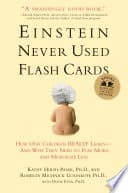
Child development researchers Kathy Hirsh-Pasek and Roberta Golinkoff argue that play — not drills and flashcards — is what actually prepares children for school and life.
Daniel Greenberg, a founder of the Sudbury Valley School, documents thirty years of evidence that children thrive when given freedom and responsibility.
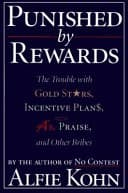
Alfie Kohn's landmark critique of behaviorism in education: gold stars, A's, praise, and incentive programs don't work — and may actually make things worse.
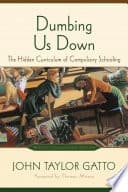
John Taylor Gatto's influential indictment of compulsory schooling, drawing on his 30 years as a NYC teacher and three-time Teacher of the Year.
A curated collection of letters from John Holt revealing the intellectual development of the father of unschooling — from school reformer to radical deschooler.
A companion to How Children Fail, this seminal book by John Holt observes how young children learn through play, exploration, and curiosity before formal schooling gets in the way. Holt argues that children are naturally brilliant, fearless learners and that our job as adults is to protect that drive, not direct it.
Raymond and Dorothy Moore's influential research-based argument that early childhood academic instruction is harmful — and that children should not start formal schooling before age 8–10.
Ivan Illich's radical 1971 critique of compulsory schooling argues that institutional education creates dependency and proposes 'learning webs' as an alternative.
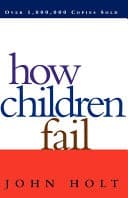
Holt's groundbreaking first book, based on his classroom observations, arguing that schools cause children to fail by making them afraid of the wrong answer.
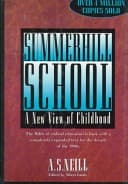
A.S. Neill's account of Summerhill — the radical democratic school he founded in England in 1921 — where children are never compelled to attend lessons or obey adult authority.
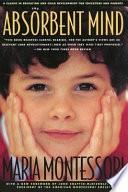
Montessori's account of the child's unique mental capacity in the first six years of life, during which the child absorbs language, culture, and knowledge from the environment without conscious effort.
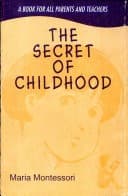
Maria Montessori's own account of her discoveries about children's minds — still the most profound first-hand description of the Montessori method from its originator.
We are partially ad-funded!