Lowell Observatory
About
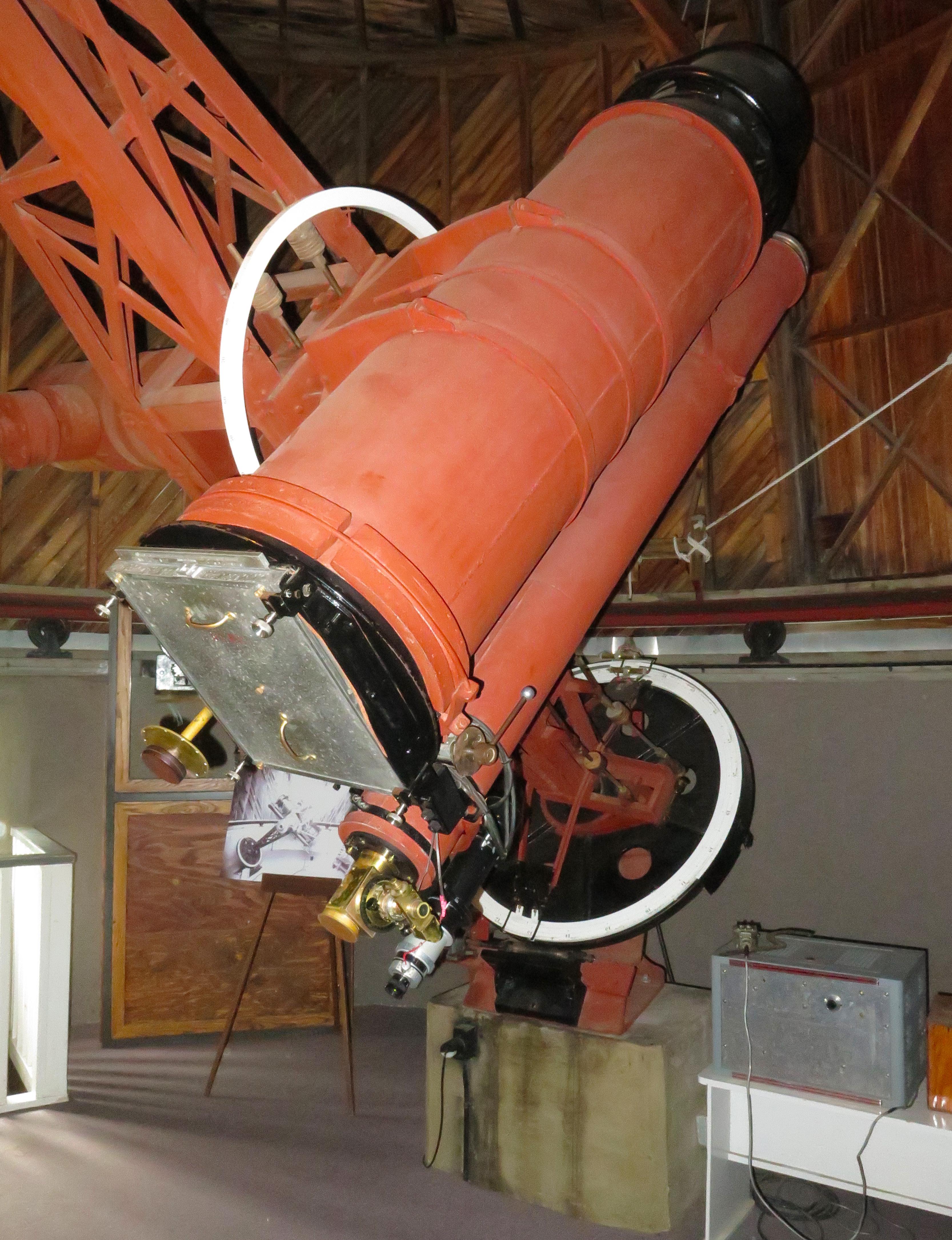
Lowell Observatory stands on Mars Hill above Flagstaff, Arizona, at an elevation of 7,200 feet—a perch chosen in 1894 by astronomer Percival Lowell for its exceptionally dark and steady skies. Lowell himself used the observatory to study Mars, convinced (incorrectly, it turned out) that he could see canals suggesting an ancient civilization. But the observatory's greatest discovery came in 1930, when young astronomer Clyde Tombaugh photographed and identified Pluto, then considered the ninth planet. Today Lowell is both an active research institution and a world-class public astronomy center. Scientists at Lowell conduct research on the solar system, exoplanets, and stellar evolution using modern instruments. The original 24-inch Clark refractor from 1896—the telescope Percival Lowell used to study Mars—is still operational and available for public viewing on special occasions. The 42-inch John S. Hall Telescope provides visitors with spectacular views of planets, star clusters, nebulae, and galaxies during nightly observing programs. The Dark Sky Digital Theater provides immersive full-dome shows on astronomy topics ranging from exoplanet exploration to the scale of the universe. Interactive exhibits in the Steele Visitor Center walk visitors through the history of the observatory, the science of light, and the ongoing search for planets around other stars. The 40-foot Quest for the Cosmos dome offers portable planetarium experiences. The observatory offers daytime tours, evening programs with telescope viewing, school field trips, and special seasonal events including telescope-viewing evenings during meteor showers and planetary oppositions.
Subject Areas
Best For
Hours of Operation
Open daily except Tuesdays, 1pm–11pm (onsite ticket sales end 10pm)
Hours change seasonally — verify before visiting.
Admission
Paid admissionStandard: Adult $35; Child (6–17) $20; Senior (55+) $30; Under 6 free. With Dark Sky Planetarium show: Adult $40; Child $25; Senior $35. Members free.