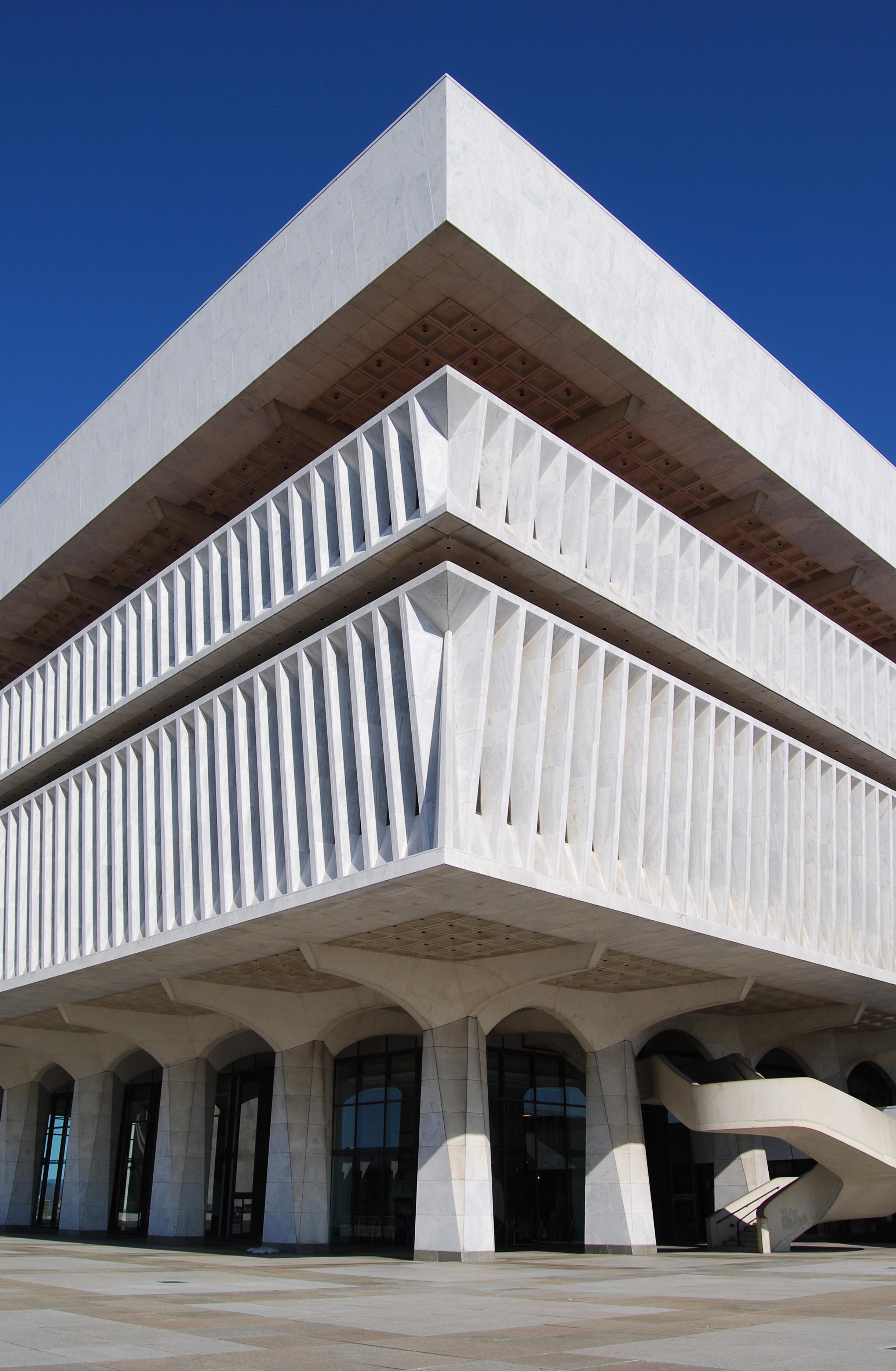
New York State Museum
About
The New York State Museum, located at the Empire State Plaza in Albany, is the oldest and largest state museum in the nation. Established in 1836, it serves as New York's official repository for natural history, cultural history, geology, and archaeology — with collections numbering in the millions of objects, specimens, and archival materials. Four major research and exhibition areas anchor the museum's work: Archaeology (including Native American archaeology, historical archaeology, and bioarchaeology), Biology (covering botany, entomology, mammalogy, ornithology, and other natural sciences), Geology (with extensive mineral, rock, and map collections), and History (focusing on New York's social, political, and material history). A dedicated Native American Ethnography collection reflects the museum's long relationship with the Haudenosaunee and other Indigenous nations of the region. The museum's Paleontology division houses significant vertebrate and invertebrate fossil collections, including specimens representing New York's ancient marine environments and prehistoric life. The Discovery Place provides interactive learning opportunities for younger visitors within the larger context of scientific collections. Admission to the New York State Museum is free to all visitors, with a suggested donation of $5 per person or $10 per family. The museum is open Tuesday through Sunday and offers group visits, teacher workshops, and afterschool programs that connect classrooms with its world-class research collections.
🏠 Homeschool Programs
Group visit programs available for homeschool educators and families; teacher workshops and afterschool programs connect learners to research collections.
Subject Areas
Best For
Hours of Operation
Tue–Sun 9:30am–5pm, closed Mon and state holidays
Hours change seasonally — verify before visiting.
Admission
Free admissionFree admission for all. Suggested donation: $5 per person or $10 per family. Donations support the museum's mission.