How to Get Started with Montessori at Home
A practical guide for parents new to the Montessori method, covering how to set up a prepared environment, choose materials, and follow your child's lead.
20 resources matching your filters
A practical guide for parents new to the Montessori method, covering how to set up a prepared environment, choose materials, and follow your child's lead.
Most people know Montessori for early childhood, but Maria Montessori's vision extended through adolescence. Her 'Erdkinder' farm school model offers radical ideas for teen education.
A growing body of randomized controlled studies finds Montessori produces significant gains in executive function, reading, and social skills β but quality of implementation matters enormously.
Research consistently shows that play-based preschool produces better long-term outcomes than academic preschool β yet the push toward early academics continues. Why?
Researchers at the University of Virginia's Curry School of Education compared outcomes across 300 children and found measurable advantages for Montessori students in executive function and reading.
Montessori educator, author, and founder of The Montessori Notebook blog, known for her accessible and warm approach to bringing Montessori home.
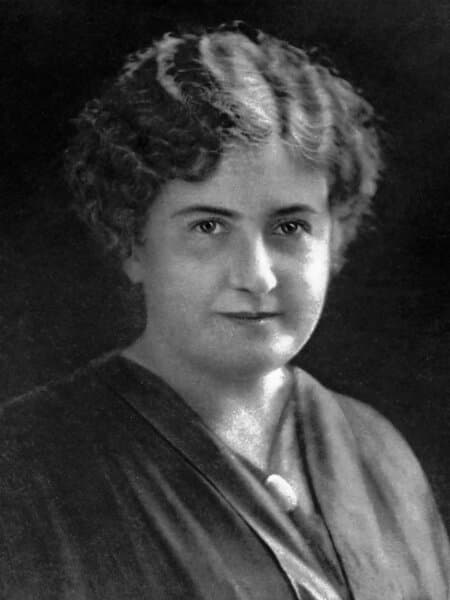
Italian physician and educator who developed the Montessori method in the early 20th century β one of the most scientifically researched and globally adopted alternative education approaches.
Developmental psychologist and leading academic researcher on the Montessori method, whose peer-reviewed studies have done more than any other to establish Montessori's evidence base.
A portfolio and record-keeping tool designed for Montessori educators, helping track student progress across all curriculum areas in a beautiful digital format.
The largest Montessori organization in the US, supporting over 1,300 member schools. Offers school accreditation, teacher credentialing, family guides, and a school finder tool.
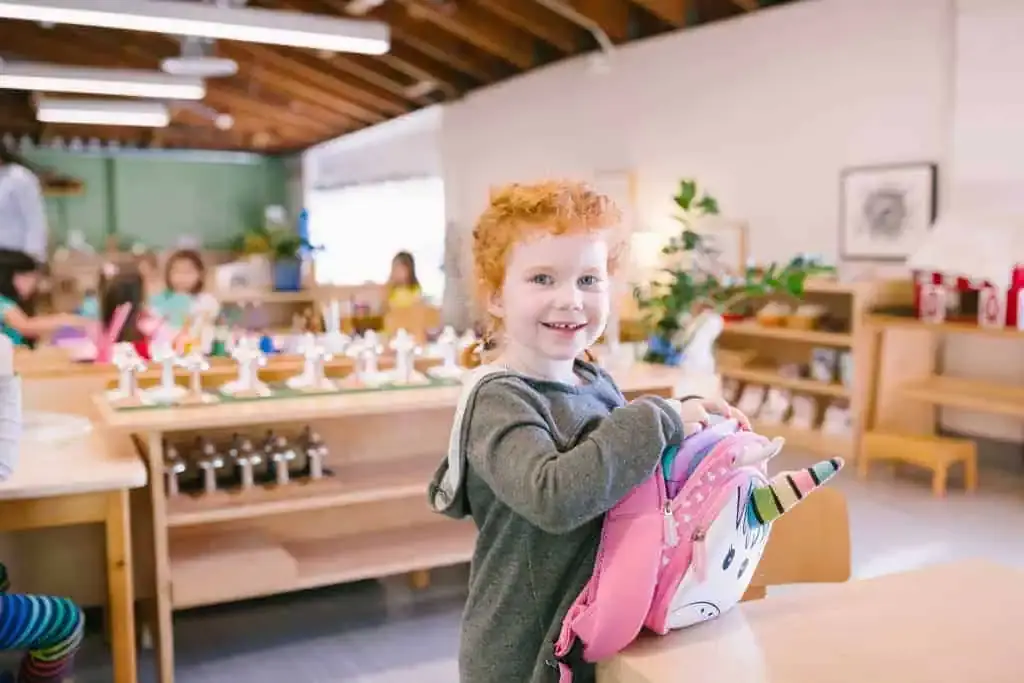
A beautifully filmed introduction to Montessori education for the preschool years (ages 3β6), showing the prepared environment, core materials, and how trained guides support children's independence and intrinsic curiosity.
A rigorous Campbell Collaboration systematic review analyzed 32 studies and found that Montessori education produces meaningful positive effects on academic outcomes β especially math and language β and even stronger effects on nonacademic outcomes including executive function, creativity, and social-emotional development compared to traditional schooling.
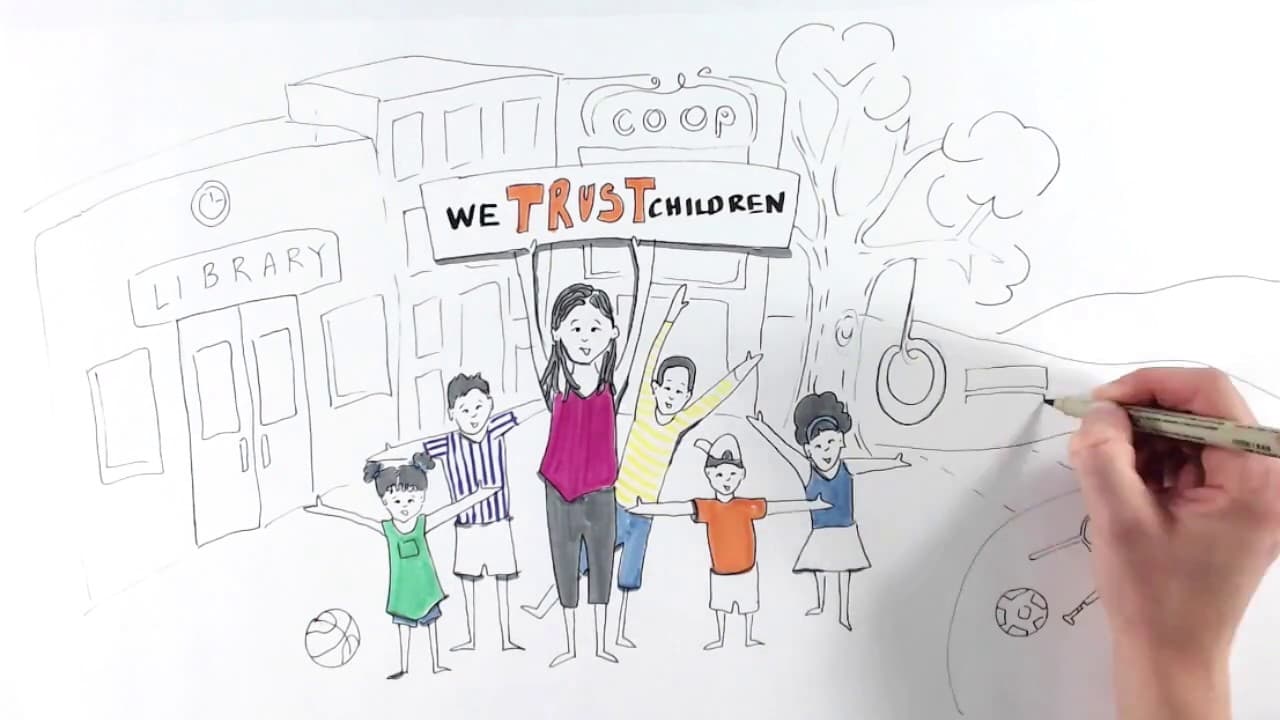
Alliance for Self-Directed Education co-founder Akilah S. Richards offers a compelling, personal overview of self-directed education β what it is, why it matters for children of color, and how families across income levels are making it work outside traditional schooling.
An in-depth look at the cornerstone of Montessori classroom structure β the uninterrupted three-hour work period β explaining why deep concentration develops when children choose their own work, how guides observe without interrupting, and what research shows about its impact on executive function and intrinsic motivation.
A documentary look at Montessori infant-toddler environments (ages 0β3) β showing how the prepared space, floor-level materials, and respectful caregiving approach support babies' natural drive for movement, independence, and sensory exploration from birth.
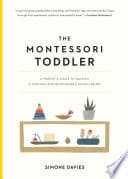
A practical guide to raising a curious, engaged toddler using Montessori principles at home, with beautiful illustrations and step-by-step guidance.
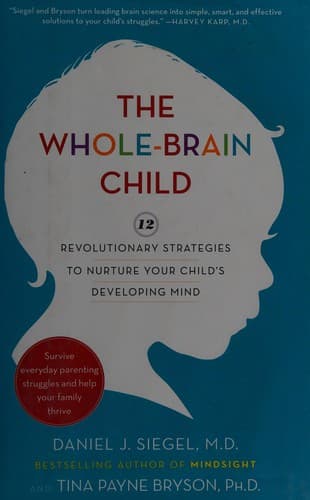
Neuroscientist Daniel Siegel and parenting expert Tina Payne Bryson offer twelve strategies for helping children integrate different parts of the brain, supporting emotional regulation, healthy development, and meaningful learning.
UC Berkeley developmental psychologist Alison Gopnik reveals that babies are not blank slates but extraordinary learning machines β running rapid-fire experiments on the world. This widely-viewed TED talk reframes early childhood as the research and development division of the human species, with huge implications for how we design education.
Montessori's account of the child's unique mental capacity in the first six years of life, during which the child absorbs language, culture, and knowledge from the environment without conscious effort.
Maria Montessori's own account of her discoveries about children's minds β still the most profound first-hand description of the Montessori method from its originator.
We are partially ad-funded!