Play-Based Learning: Why Preschool Doesn't Need to Be Academic
Research consistently shows that play-based preschool produces better long-term outcomes than academic preschool β yet the push toward early academics continues. Why?
6 resources matching your filters
Research consistently shows that play-based preschool produces better long-term outcomes than academic preschool β yet the push toward early academics continues. Why?
Research-backed overview of play as a developmental training ground for children, drawing on American Academy of Pediatrics findings to explain how play builds executive function, social-emotional skills, and creativity.
An international movement and resource hub encouraging early childhood educators to move away from plastic toys and screen-heavy environments toward natural, open-ended, loose-part play grounded in Reggio Emilia and Waldorf principles.
A non-profit research and advocacy organization making the case for play, hands-on learning, and childhood freedom in early education. Publishes influential reports on the decline of play in schools and advocates for policy changes that restore creative play to kindergarten and early elementary.
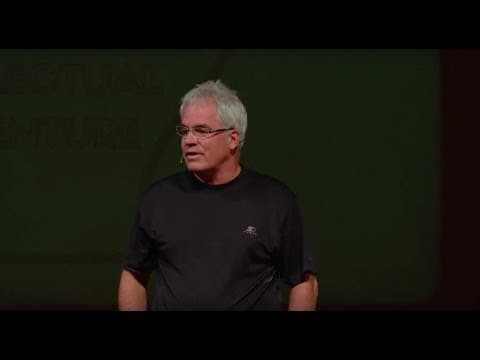
David Groth, a 40-year veteran teacher, uses juggling and classroom stories to demonstrate how play-based learning raises engagement and academic performance, arguing that play is not a break from learning but its most powerful vehicle.
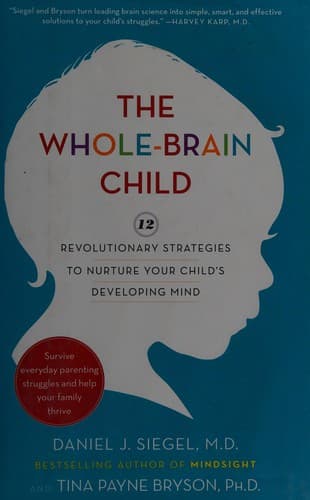
Neuroscientist Daniel Siegel and parenting expert Tina Payne Bryson offer twelve strategies for helping children integrate different parts of the brain, supporting emotional regulation, healthy development, and meaningful learning.
We are partially ad-funded!