The Reggio Emilia Approach: Everything Parents Need to Know
Originally developed in a small Italian city after World War II, the Reggio Emilia approach treats children as capable, expressive communicators. Here's what that looks like in practice.
18 resources matching your filters
Originally developed in a small Italian city after World War II, the Reggio Emilia approach treats children as capable, expressive communicators. Here's what that looks like in practice.
Documentation in Reggio-inspired classrooms is more than record-keeping β it makes children's thinking visible, guides curriculum decisions, and strengthens the connection between teachers and families.
Research consistently shows that play-based preschool produces better long-term outcomes than academic preschool β yet the push toward early academics continues. Why?
Research-backed overview of play as a developmental training ground for children, drawing on American Academy of Pediatrics findings to explain how play builds executive function, social-emotional skills, and creativity.
Professor of psychology at UC Berkeley and one of the world's leading researchers on child development, Alison Gopnik has transformed our understanding of how babies and young children think, learn, and imagine β and what that means for how we educate and parent them.
The official documentation resource from Reggio Children, the organization founded by Loris Malaguzzi in Reggio Emilia, Italy. Includes publications, study tours, and training for educators worldwide.
Peter Gray's free Substack newsletter where he shares research, essays, and reflections on self-directed learning and the importance of play β essential reading for anyone exploring unschooling or democratic education.
A North American alliance of nature-based preschool and kindergarten programs, supporting early childhood educators in creating forest schools, nature preschools, and outdoor learning environments.
An international movement and resource hub encouraging early childhood educators to move away from plastic toys and screen-heavy environments toward natural, open-ended, loose-part play grounded in Reggio Emilia and Waldorf principles.
The primary professional organization for educators and schools inspired by the Reggio Emilia approach in North America. Offers a school directory, professional development, publications, and the annual Innovations journal for Reggio-inspired practitioners.
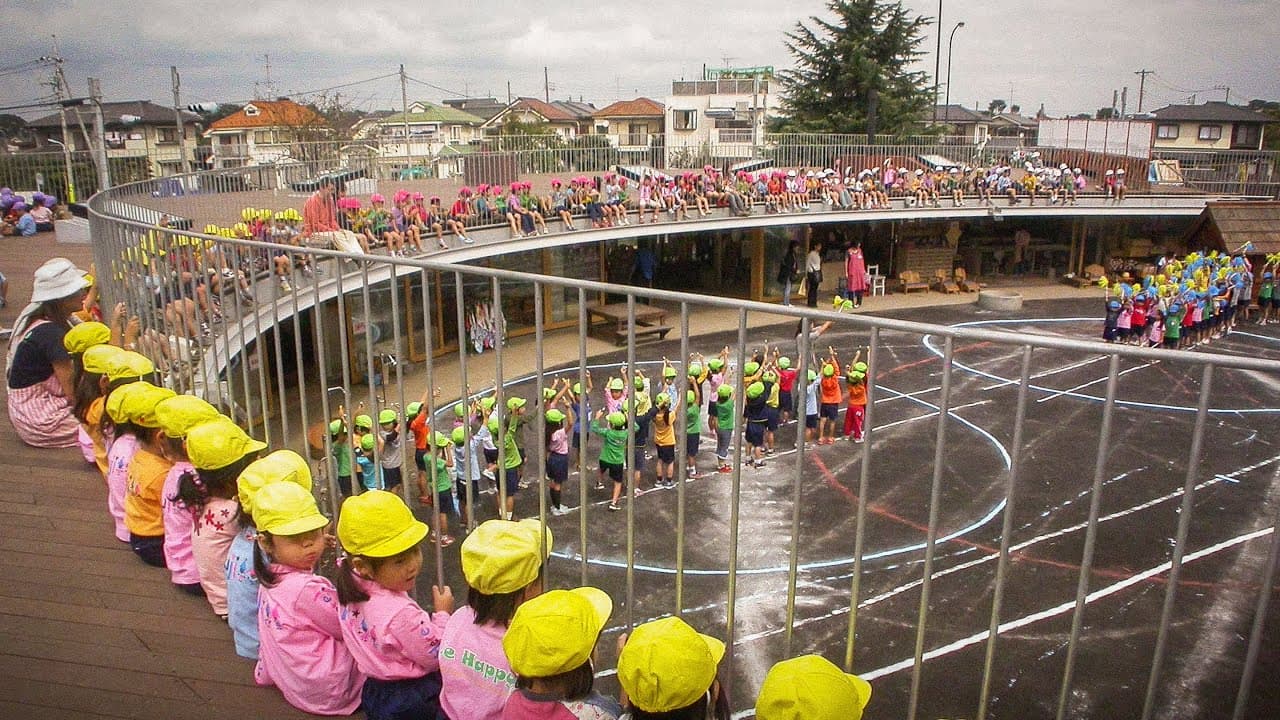
Japanese architect Takaharu Tezuka presents the Fuji Kindergarten in Tokyo β a circular, open rooftop school designed specifically for children's natural movement, play, and wonder β making a powerful visual case for why the physical environment of childhood matters enormously.
An exploration of pedagogical documentation β the Reggio Emilia practice of photographing, recording, and reflecting on children's learning processes β showing how it transforms teaching from delivery to research, deepens children's revisiting of their own ideas, and makes the invisible visible for families and the community.
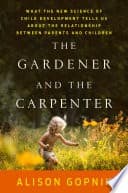
Alison Gopnik, one of the world's leading child development researchers, argues that the modern obsession with 'parenting' as a goal-directed activity β shaping children into specific outcomes β is both scientifically misguided and harmful. Instead, she proposes a gardener model: creating a rich, safe environment and allowing children's natural curiosity and play to drive their development.
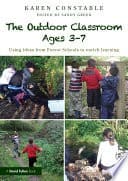
A practical, research-backed guide for early childhood educators and parents who want to take learning outside, covering risk-benefit assessment, seasonal curriculum planning, nature journaling, loose parts play, and how to work with parents and administrators to establish and sustain a forest school or outdoor learning program.
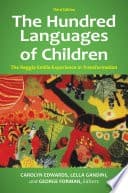
The definitive scholarly and practical anthology on the Reggio Emilia approach, edited by Carolyn Edwards, Lella Gandini, and George Forman. This third edition gathers essays from the founders and leading practitioners, covering the philosophy, documentation practices, teacher role, and global influence of the Reggio approach.
UC Berkeley developmental psychologist Alison Gopnik reveals that babies are not blank slates but extraordinary learning machines β running rapid-fire experiments on the world. This widely-viewed TED talk reframes early childhood as the research and development division of the human species, with huge implications for how we design education.
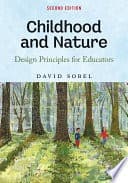
David Sobel's influential book argues that children need direct, joyful, place-based experience with the natural world before being asked to understand global ecological crises.
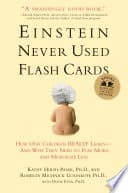
Child development researchers Kathy Hirsh-Pasek and Roberta Golinkoff argue that play β not drills and flashcards β is what actually prepares children for school and life.
We are partially ad-funded!