📰Article
10 Years of Learning: A Maker Ed Reflection
After ten years of supporting maker education, the Executive Director of Maker Ed reflects on program closures, hard lessons, and the enduring spirit of the movement.
Maker Ed·Apr 2026
View 33 resources matching your filters
After ten years of supporting maker education, the Executive Director of Maker Ed reflects on program closures, hard lessons, and the enduring spirit of the movement.
Some schools are building in 'brain breaks,' shortening lessons, adding more hands-on learning, and practicing meditation to rebuild students' focus.
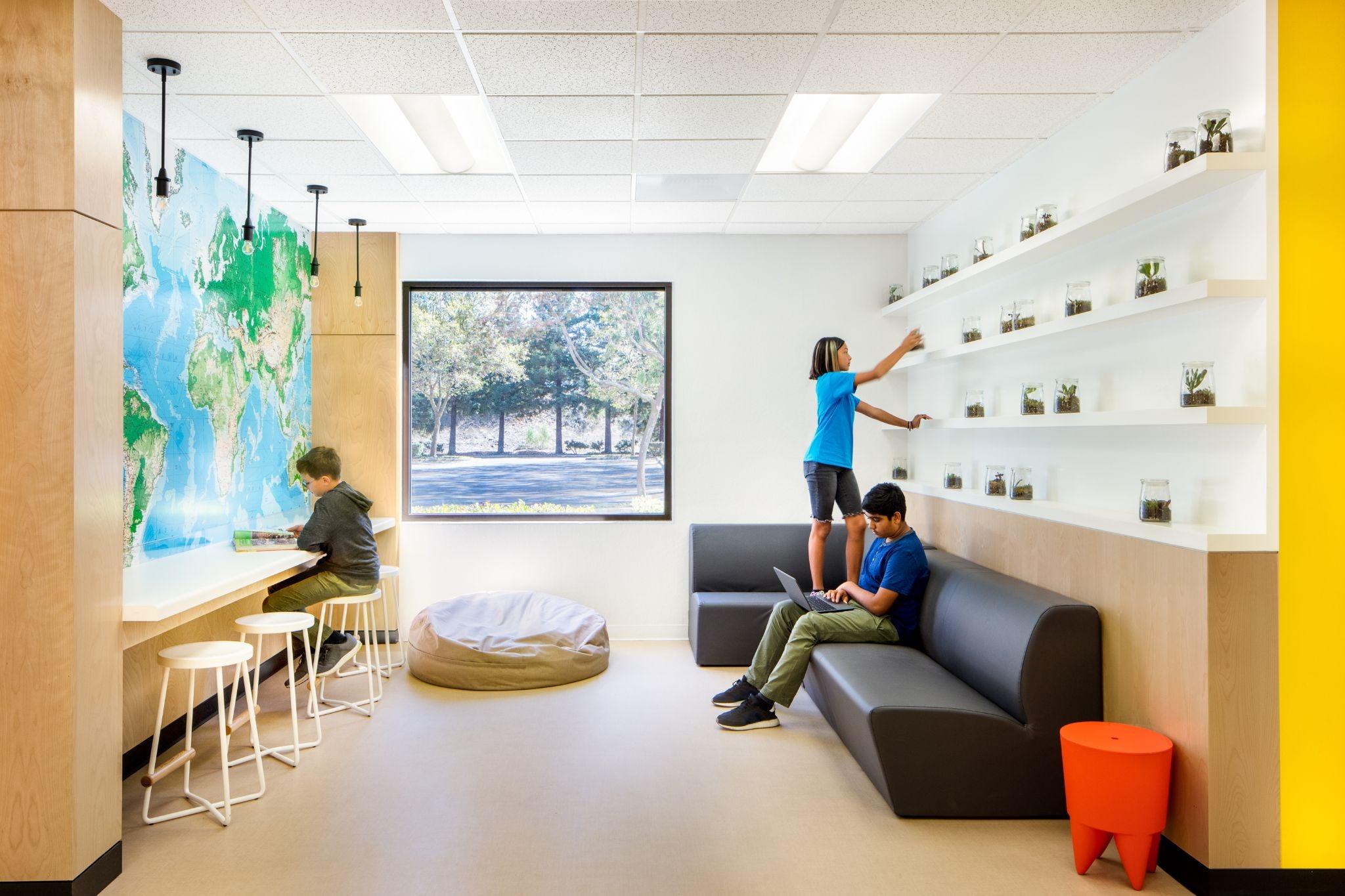
Danish Kurani makes the case for school environments that prioritize student wellbeing and growth — and what better-designed learning spaces actually look like.
Jennifer Yoo-Brannon reflects on what it means to humanize schools after years of disruption — moving from demoralization and compliance toward trust, belonging, and authentic connection between teachers and students.
How a cross-state coalition in Kansas City is expanding real-world learning opportunities by connecting schools with employers, building market-value assets, and preparing students for careers they actually want.
Mason Pashia and Aaron Schorn argue that in an age of information overload, schools must shift from transmitting knowledge to cultivating wisdom through real-world experience and reflective practice.
Nina Berler reports on what works when teachers tackle the pervasive 'I'm not a writer' belief — practical classroom strategies that hold high expectations while making the process of writing feel genuinely accessible to students.
Mason Pashia examines how Georgia is using O*NET skill evaluations to build credible, portable evidence of student competency through work-based learning — a replicable model for translating employer partnerships into verifiable credentials.
A fourth-grade teacher's persistent question — 'but what should I actually use AI for?' — frames this report on the gap between AI hype in education and teachers' practical need for concrete, classroom-tested use cases. Mi Aniefuna surveys what educators are finding useful, what remains elusive, and why the promise of AI as a teaching tool keeps outpacing its practical reality.
When done well, PBL at the secondary level produces students who are better collaborators, more creative problem-solvers, and just as strong academically as their peers. Here's the evidence.
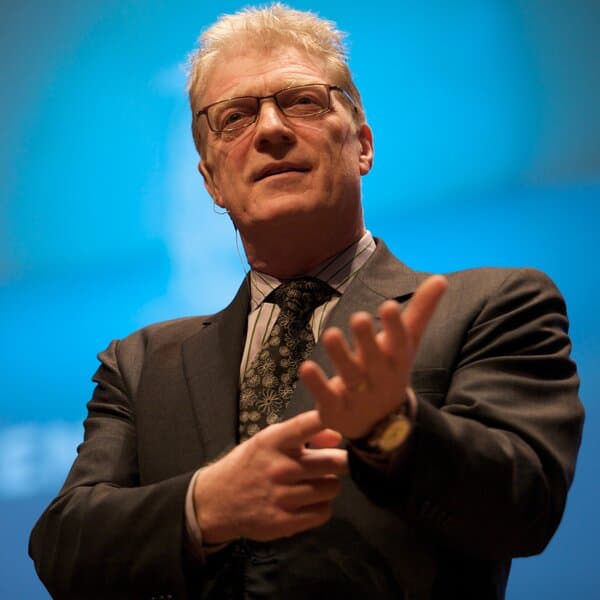
British educator and creativity researcher whose 2006 TED Talk 'Do Schools Kill Creativity?' remains the most-viewed TED Talk of all time, with over 70 million views.
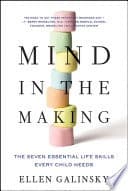
President and co-founder of the Families and Work Institute and author of Mind in the Making, Ellen Galinsky spent decades synthesizing child development research to identify the life skills that matter most for children's long-term success — findings that directly challenge test-score-driven education.
A comprehensive free learning platform covering math, science, history, and test prep for all ages. Widely used by homeschooling families and unschoolers as a self-paced, mastery-based supplement.
Edutopia's dedicated PBL hub features video case studies, lesson plans, design guides, and research summaries to help educators implement high-quality project-based learning across subjects and grade levels.
A vast free library of media resources — videos, interactive tools, lesson plans, and primary sources — curated by PBS for educators and homeschooling families across all subject areas and grades K–12.
A broad national alliance advocating for strong STEM education policies, funding, and programs. Publishes research and policy briefs useful for educators, parents, and school founders interested in STEM-focused education.
The world's leading organization for project-based learning, offering the Gold Standard PBL framework, professional development for teachers, research publications, and free project planning tools. The definitive resource for educators implementing rigorous, meaningful PBL.
This South African study examines how SOLE pedagogy affects different components of metacognitive skill — knowledge, monitoring, and regulation — in secondary Physical Sciences classrooms. Hodi Tsamago and Anass Bayaga argue that metacognitive development must be treated holistically and find that SOLEs produce measurable gains across all three dimensions when students are given genuine agency over their own inquiry.
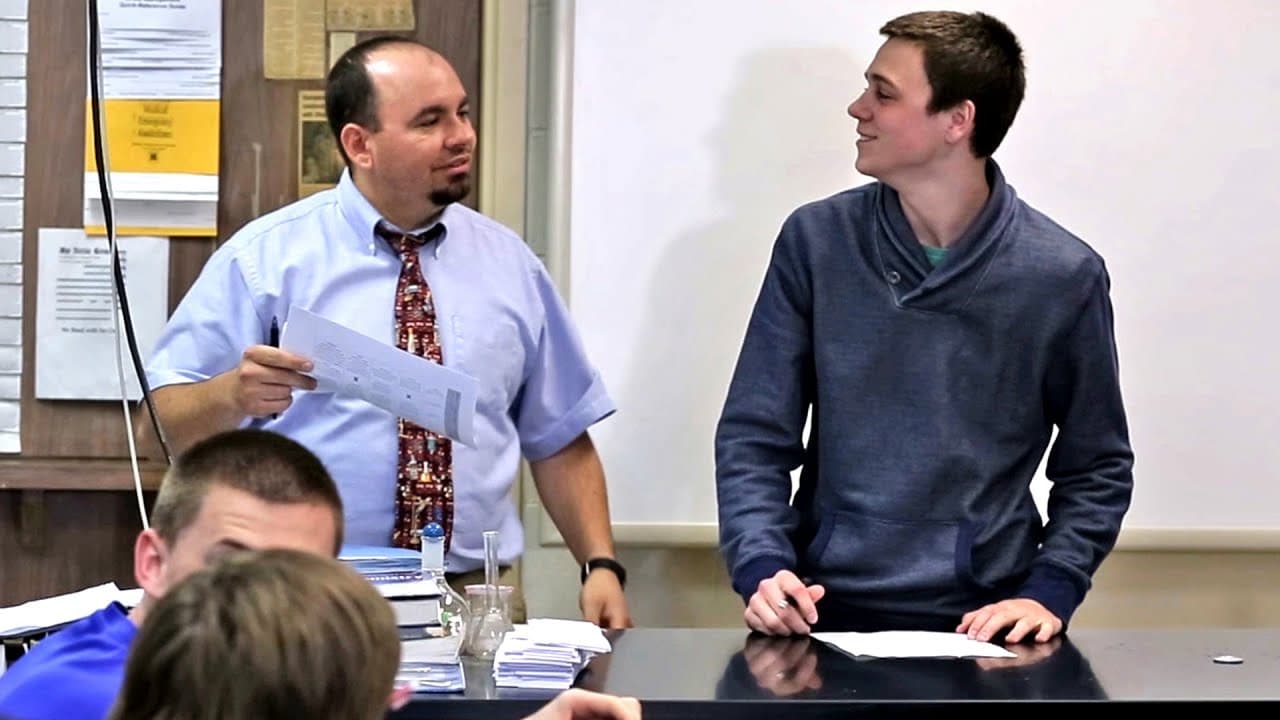
Edutopia visits a high school chemistry class using performance-based assessment — students design and conduct their own experiments, demonstrating how project-driven, evidence-based learning builds deeper scientific understanding than traditional tests.
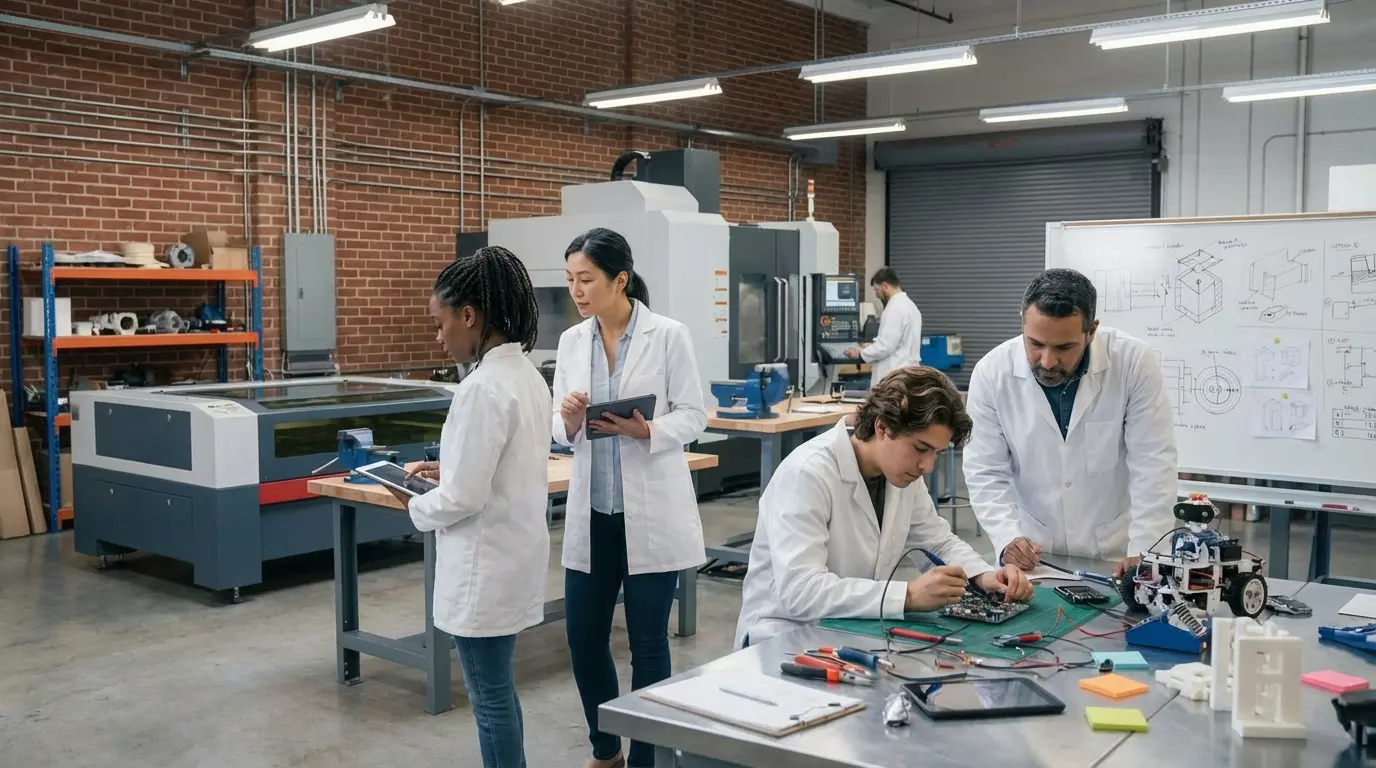
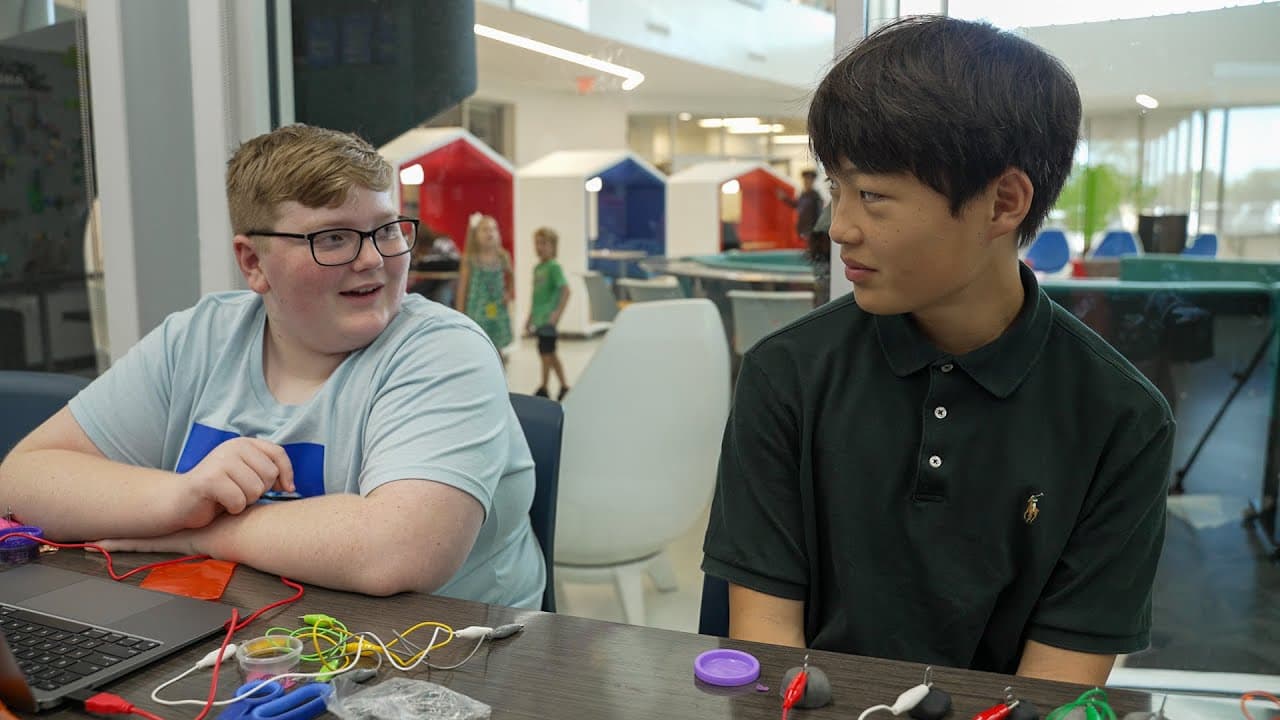
Edutopia visits school-based makerspaces where students design and build their own projects — showing how maker education with 3D printers, electronics, and fabrication tools builds deep STEM understanding, problem-solving, and intrinsic motivation across grade levels.
A deep-dive conversation on the explosive growth of microschools and pandemic pods — small learning communities of 5–15 students — exploring the diverse models emerging across the country and what they reveal about what families are hungry for beyond large traditional schools.
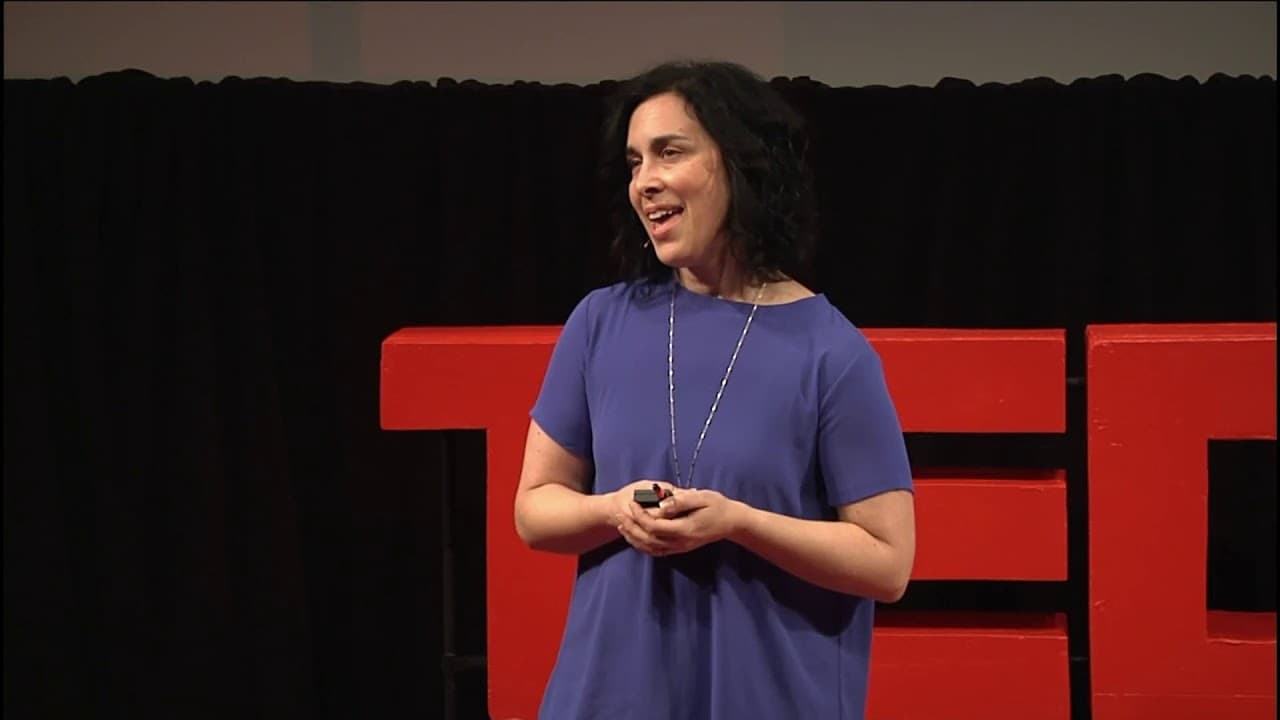
Educator Paulette Unger's TEDx talk on how shifting from teacher-directed instruction to genuine dialogue and inquiry transforms students into self-directed learners — drawing on her classroom experience and the research behind student-led learning.
A research synthesis reviews evidence that high-quality PBL reduces achievement gaps for historically underserved students, with one landmark study finding that second graders in high-poverty PBL classrooms virtually erased the gap between low- and high-SES students in social studies and informational reading.
Two large randomized controlled trials involving over 6,000 students across 114 schools found that project-based learning significantly outperformed traditional instruction across grade levels and demographic groups. Particularly compelling: low-income students showed the same gains as their wealthier peers, making PBL a promising equity strategy.
PBLWorks synthesizes decades of research on project-based learning, examining evidence for its impact on academic achievement, deeper learning, and student motivation across grade levels and subjects.
PBLWorks defines Project Based Learning as a teaching method in which students learn by actively engaging in real-world, personally meaningful projects. This foundational explainer covers the Gold Standard PBL framework — seven key design elements including sustained inquiry, authenticity, student voice, reflection, critique, and public product — that distinguish rigorous PBL from merely doing projects.
Explores how hands-on maker education and makerspaces broaden STEM appeal for girls and underrepresented students, citing organizations like Techbridge Girls and emphasizing experimentation over rote instruction.
From the Buck Institute for Education — the world's leading PBL organization — this comprehensive handbook provides the Gold Standard PBL framework with detailed guidance for designing, assessing, and managing projects that develop deep content knowledge and 21st-century competencies across subjects and grade levels.
David Groth, a 40-year veteran teacher, uses juggling and classroom stories to demonstrate how play-based learning raises engagement and academic performance, arguing that play is not a break from learning but its most powerful vehicle.
Ellen Galinsky synthesizes three decades of child development research to identify seven essential life skills — including focus and self-control, critical thinking, taking on challenges, and self-directed, engaged learning — that matter more for lifelong success than academic content knowledge. Essential reading for parents and educators designing learning environments.
Edited by Michael Apple and James Beane, this collection of essays from practicing democratic educators shows what schools look like when students have genuine power.
The most-watched TED Talk of all time. Sir Ken Robinson argues with wit and passion that public school systems squander children's creative talents and that a radical rethink of education is urgently needed.
A hands-on science curriculum and kit supplier designed for homeschoolers, offering complete chemistry, biology, physics, and electronics lab materials bundled with step-by-step curricula.
We are partially ad-funded!