Forest Schools Are Growing Faster Than Any Other Alternative in the UK
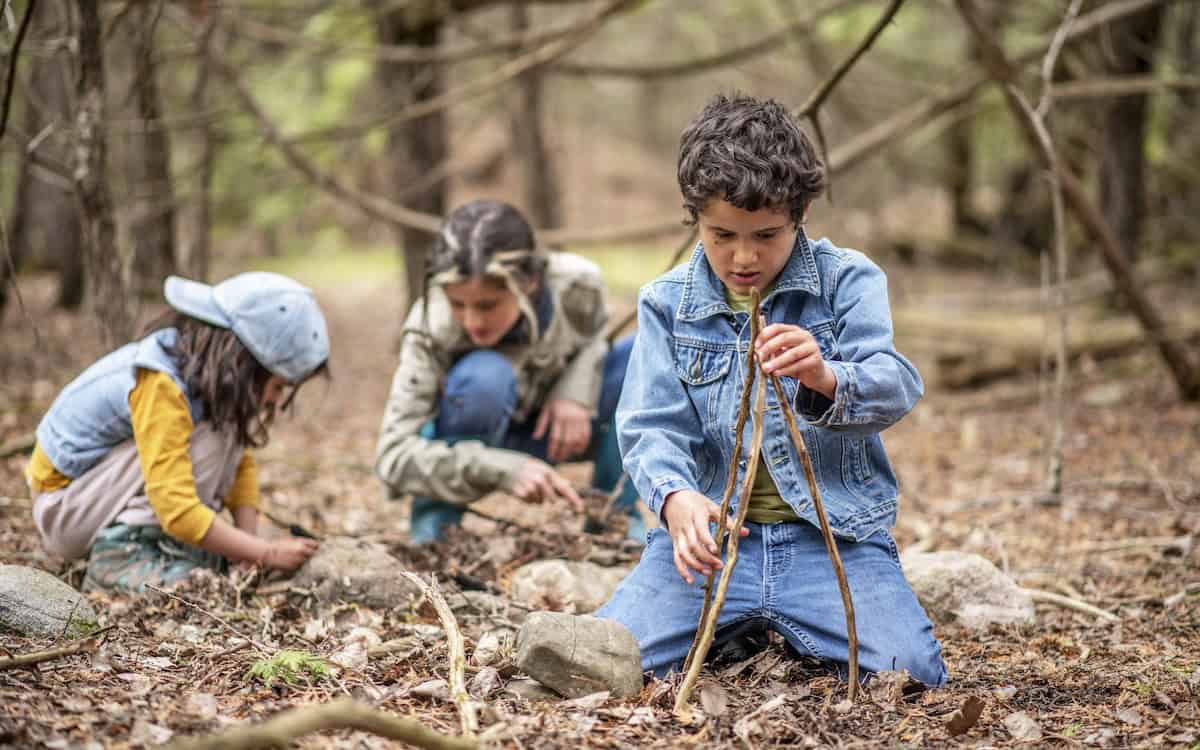
The number of registered Forest School practitioners in the UK has tripled in five years. What's driving the surge, and what does quality outdoor education actually look like?
20 resources matching your filters
The number of registered Forest School practitioners in the UK has tripled in five years. What's driving the surge, and what does quality outdoor education actually look like?
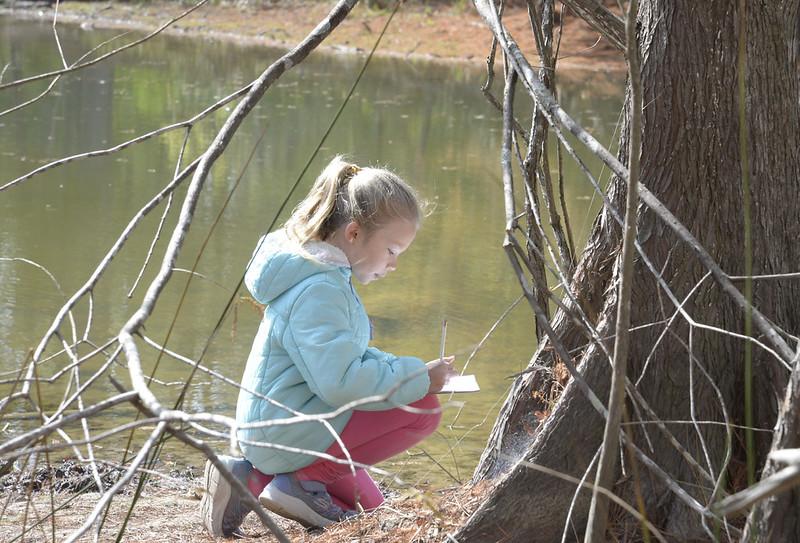
A Texas A&M study finds that nature-based outdoor learning improves literacy outcomes and well-being for both students and teachers, adding to a growing body of research on the measurable benefits of moving education outside.
Decades of research link outdoor unstructured play to improved attention, reduced anxiety, and stronger executive function. Educators are finally catching up.
Long before Western alternative education movements, Indigenous communities developed place-based, intergenerational, and land-connected approaches to knowledge transmission that resonate with forest school and self-directed principles.
Research consistently shows that play-based preschool produces better long-term outcomes than academic preschool β yet the push toward early academics continues. Why?
Nature journaling β careful observation, sketching, and recording of the natural world β is central to Charlotte Mason's method and accessible for any family, anywhere.
A 2024 evidence review examining how primary school grounds can be designed to enable effective nature-based learning. Desiree Falzon and Elisabeth Conrad identify specific physical features β wildness, loose parts, diverse habitats β that correlate with stronger learning outcomes and increased time outdoors, and surface the design knowledge gaps practitioners face.
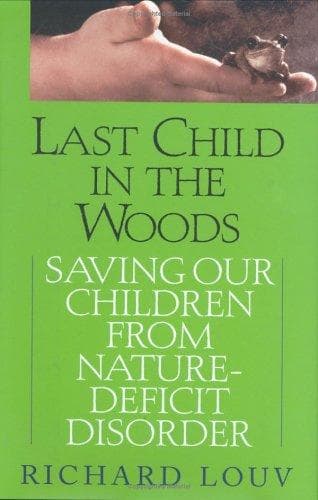
Journalist and author who coined the term 'nature-deficit disorder' and sparked a global movement to reconnect children with the natural world.
The membership organization for Forest School practitioners in the UK, offering training accreditation, resources, and a practitioner directory.
An international organization working to reconnect children, families, and communities to the natural world. Publishes research on nature's role in health and learning, and provides a community finder for nature-based programs.
A North American alliance of nature-based preschool and kindergarten programs, supporting early childhood educators in creating forest schools, nature preschools, and outdoor learning environments.
A non-profit research and advocacy organization making the case for play, hands-on learning, and childhood freedom in early education. Publishes influential reports on the decline of play in schools and advocates for policy changes that restore creative play to kindergarten and early elementary.
Joan Whelan's TEDx talk on the Forest School movement β from its Scandinavian origins to its rapid spread across Ireland, the UK, and North America β and the evidence that child-led outdoor learning builds resilience, creativity, and wellbeing in ways classrooms cannot.
A practical, beautifully filmed guide to Charlotte Mason's beloved nature journaling practice β from setting up a nature notebook to developing the habit of careful observation, sketching, and narration in the outdoors. Suitable for all ages and no artistic experience required.
A research review of Forest School programs finds consistent evidence that regular outdoor, child-led learning in natural environments reduces stress, increases physical activity, builds resilience, and improves social skills β with the strongest gains for children who participate in repeated, extended sessions rather than occasional visits.
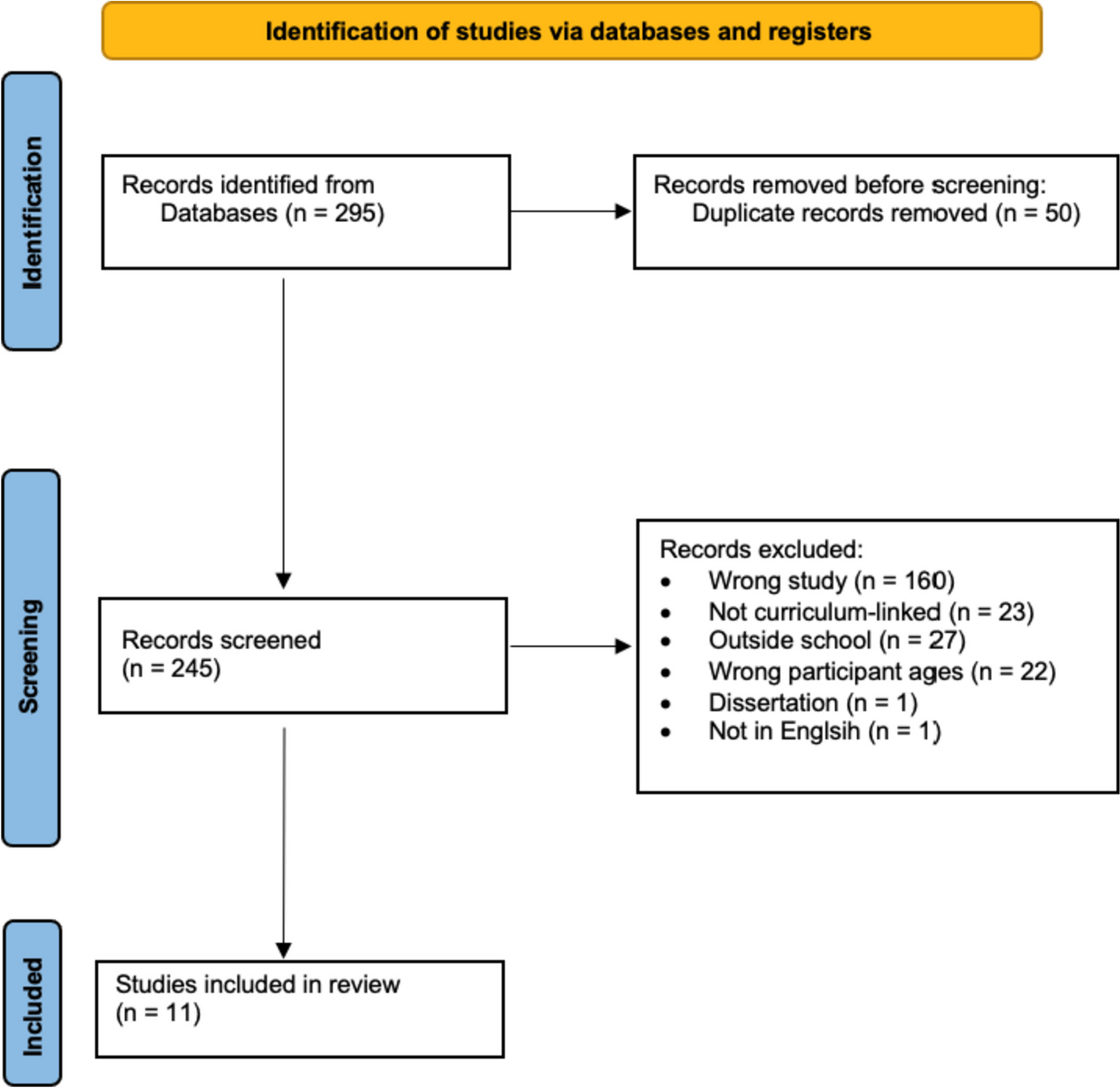
A mixed-methods systematic review synthesising evidence from nine databases on the associations between nature-based early childhood education and children's social, emotional, and cognitive development. Led by Avril Johnstone and colleagues, the review identifies consistent positive associations and maps significant gaps in the research base.
Richard Louv, author of Last Child in the Woods, speaks on the measurable benefits of nature time on children's health, focus, creativity, and wellbeing β and what families and schools can do to reverse the trend of nature-deficit disorder.
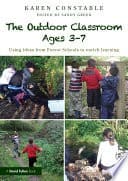
A practical, research-backed guide for early childhood educators and parents who want to take learning outside, covering risk-benefit assessment, seasonal curriculum planning, nature journaling, loose parts play, and how to work with parents and administrators to establish and sustain a forest school or outdoor learning program.
Richard Louv coins the term 'nature-deficit disorder' and makes a powerful case that children's disconnection from nature is fueling a crisis of attention, creativity, and wellbeing.
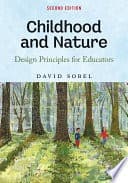
David Sobel's influential book argues that children need direct, joyful, place-based experience with the natural world before being asked to understand global ecological crises.
We are partially ad-funded!