Free
🔗Resource
Agile Learning Centers
Agile Learning Centers is an educational model and network of self-directed micro-schools, homeschool groups, and intentional communities using agile frameworks for learner-led education.
Free·Online
View 55 resources matching your filters
Agile Learning Centers is an educational model and network of self-directed micro-schools, homeschool groups, and intentional communities using agile frameworks for learner-led education.
A global network connecting Sudbury schools, families, and educators who embrace self-directed democratic education where students govern their own learning environment.
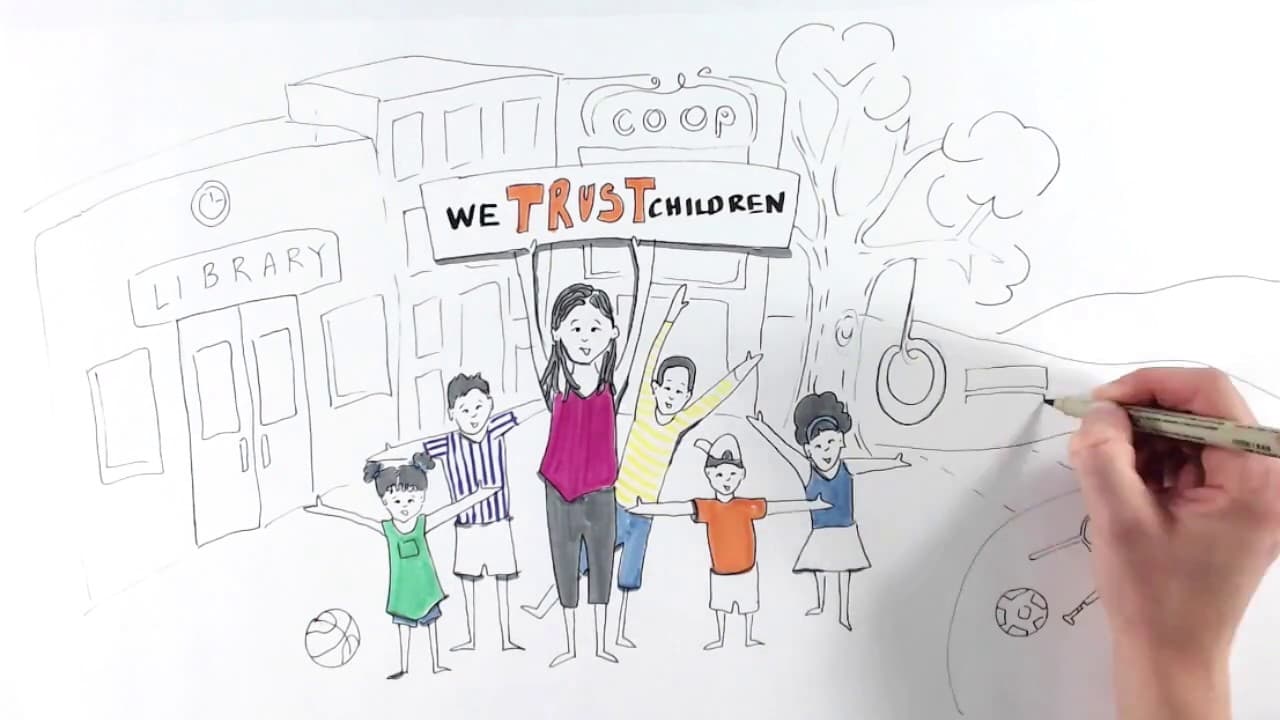
This is part 1 of our primer on the growing movement for Self-Directed Education.
Mike Goldstein and Sean Geraghty argue that as IES is rebuilt, the US needs an anonymous, representative survey measuring what students do between 3 p.m. and midnight — not just academic performance.
Jennifer Yoo-Brannon reflects on what it means to humanize schools after years of disruption — moving from demoralization and compliance toward trust, belonging, and authentic connection between teachers and students.
Mason Pashia and Aaron Schorn argue that in an age of information overload, schools must shift from transmitting knowledge to cultivating wisdom through real-world experience and reflective practice.
One Indiana district launched a network of microschools letting students direct much of their own learning — a model drawing attention as public school enrollment continues to fall nationally.
A journalist spends a week at a Sudbury democratic school, observing how children of all ages self-govern, choose their activities, and develop at their own pace.
A detailed exploration of Ivan Illich's 1971 'Deschooling Society,' tracing his critique of compulsory schooling as an institution that manufactures dependency, his alternative vision of 'learning webs' connecting learners with peers and mentors, and the enduring relevance of his ideas to contemporary alternative and self-directed education movements.
ALCs borrow tools from the software industry — sprint cycles, intention-setting, retrospectives — to create self-organized learning communities. Inside the movement that's quietly growing.
From intrinsic motivation theory to decades of studies at democratic schools, the evidence for self-directed education is much stronger than its critics claim.
From Summerhill in 1921 to today's growing network of ALC and Sudbury schools, the democratic school movement has a rich and often radical history worth knowing.
Sudbury Schools operate without teachers, classes, or schedules, allowing students to direct their own learning entirely. This student newspaper piece examines the philosophical case for radical self-direction — citing Peter Gray and David Chanoff's longitudinal research on SVS graduates — alongside counterarguments about academic preparation and socialization.
A profile of Philadelphia's Agile Learning Center, a self-directed environment for ages 5–18 where young people choose their own projects, set intentions, and govern their learning community through collaborative practices.
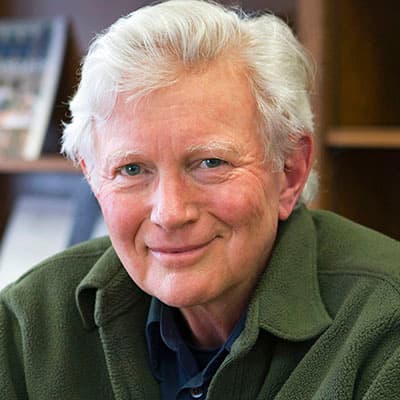
Developmental psychologist, researcher, and author best known for his work on the importance of play and self-directed learning in child development.
America's most outspoken critic of competition, grades, and behaviorist approaches to education — author of fifteen books challenging conventional wisdom in parenting and schooling.
Co-founder of the Sudbury Valley School in 1968 and the most prolific writer documenting democratic, self-directed education over five decades.
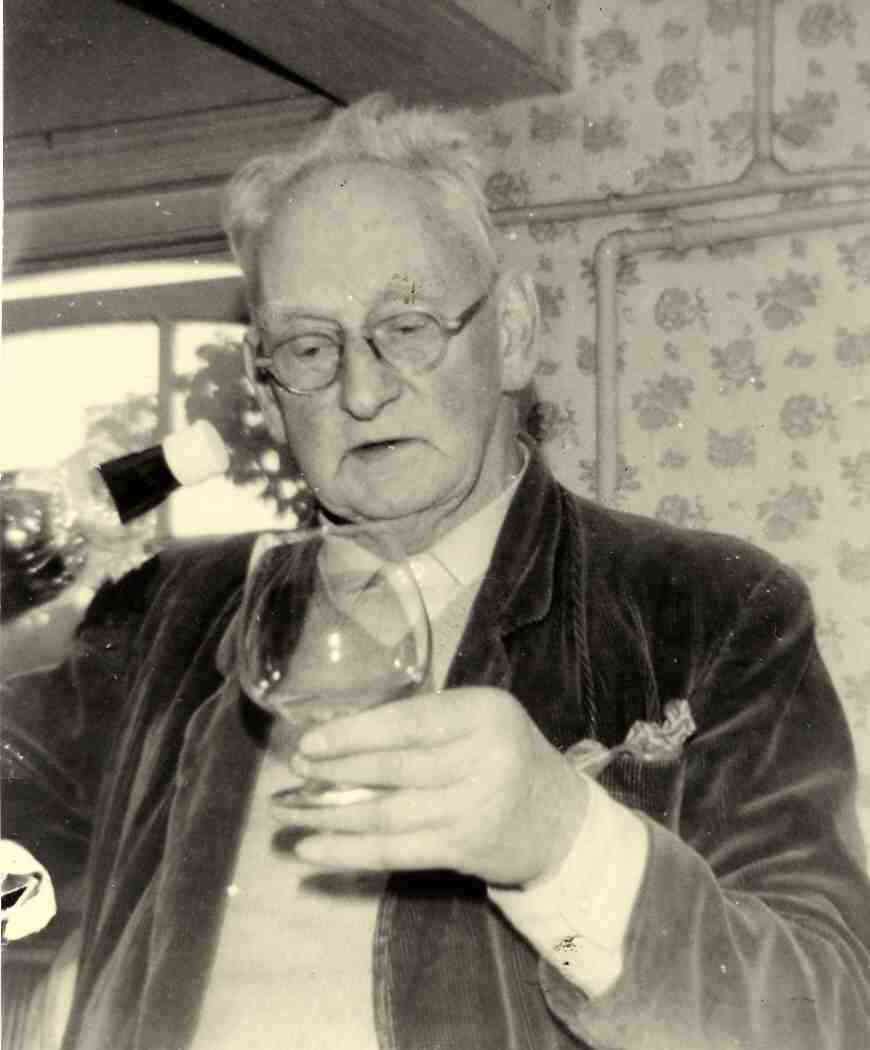
Scottish educator who founded Summerhill School in 1921 — the world's oldest running democratic school — and whose book Summerhill sold over two million copies.
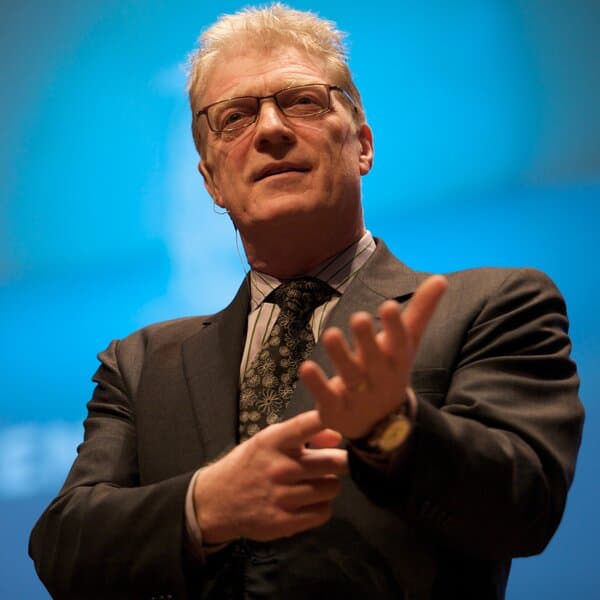
British educator and creativity researcher whose 2006 TED Talk 'Do Schools Kill Creativity?' remains the most-viewed TED Talk of all time, with over 70 million views.
Author of Unschooled and education policy researcher, Kerry McDonald is a senior fellow at the Foundation for Economic Education and one of the most prominent writers making the evidence-based case for self-directed learning and alternatives to conventional schooling.
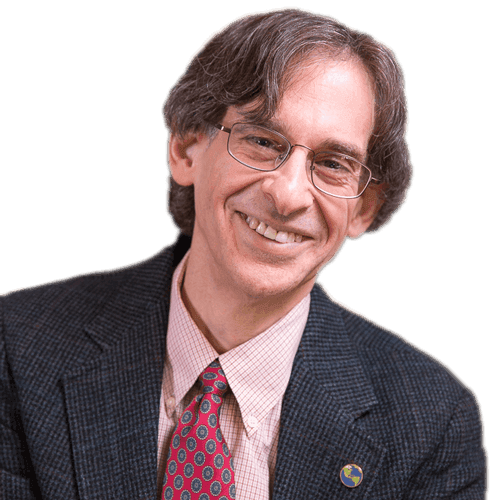
Professor of psychology at UC Berkeley and one of the world's leading researchers on child development, Alison Gopnik has transformed our understanding of how babies and young children think, learn, and imagine — and what that means for how we educate and parent them.
President and co-founder of the Families and Work Institute and author of Mind in the Making, Ellen Galinsky spent decades synthesizing child development research to identify the life skills that matter most for children's long-term success — findings that directly challenge test-score-driven education.
A non-profit organization founded by Peter Gray and others to promote awareness and growth of self-directed education. Offers resources, a school finder, and a community network.
An international network connecting democratic and self-directed schools. Maintains a searchable directory of schools, publishes a newsletter, and organizes the annual Democratic Education Conference.
Peter Gray's free Substack newsletter where he shares research, essays, and reflections on self-directed learning and the importance of play — essential reading for anyone exploring unschooling or democratic education.
A global network of self-directed learning centers using Agile practices — daily standup check-ins, personal Kanban boards, and community agreements — to support children's self-directed learning. Includes a starter kit for new schools.
An organization supporting student voice, youth civic engagement, and democratic principles in all educational settings. Offers training, publications, and a network for schools transitioning toward more democratic structures.
Founded by journalist Lenore Skenazy and researcher Peter Gray, Let Grow advocates for giving children back their independence, free play, and unsupervised time. Offers school programs, parent resources, and policy advocacy to reverse the trend of over-supervised, risk-averse childhood.
This South African study examines how SOLE pedagogy affects different components of metacognitive skill — knowledge, monitoring, and regulation — in secondary Physical Sciences classrooms. Hodi Tsamago and Anass Bayaga argue that metacognitive development must be treated holistically and find that SOLEs produce measurable gains across all three dimensions when students are given genuine agency over their own inquiry.
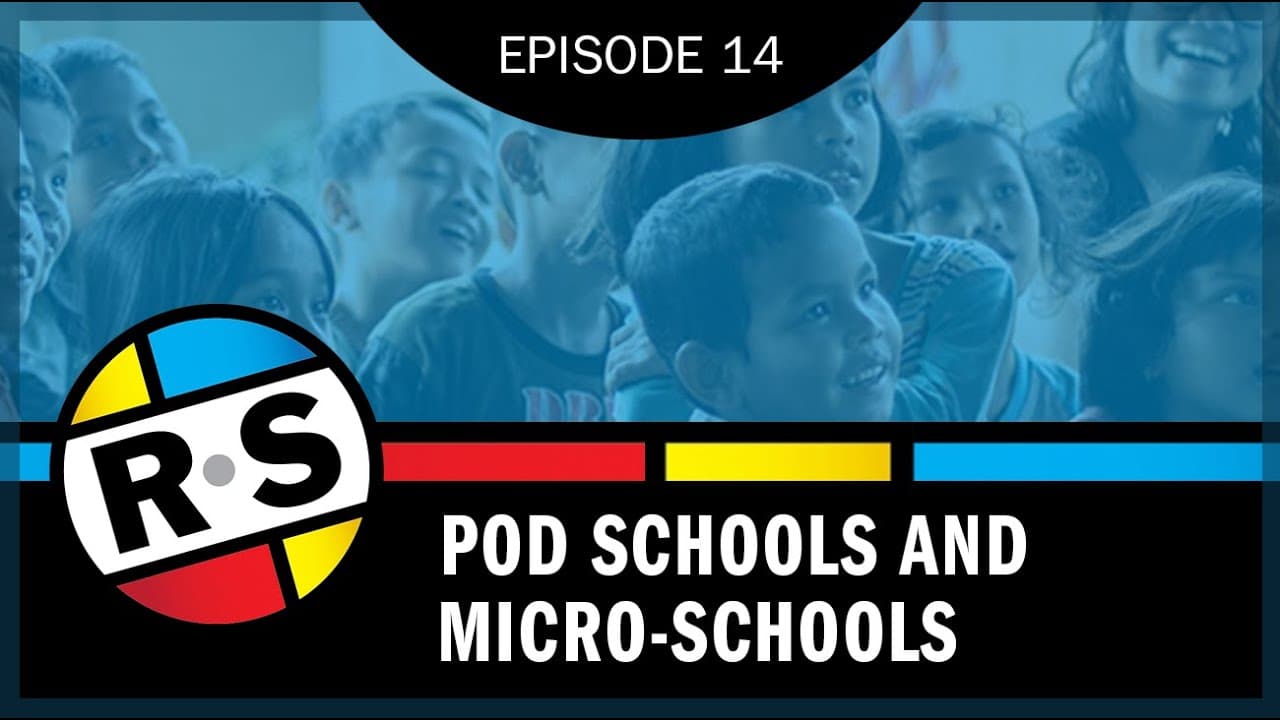
A deep-dive conversation on the explosive growth of microschools and pandemic pods — small learning communities of 5–15 students — exploring the diverse models emerging across the country and what they reveal about what families are hungry for beyond large traditional schools.
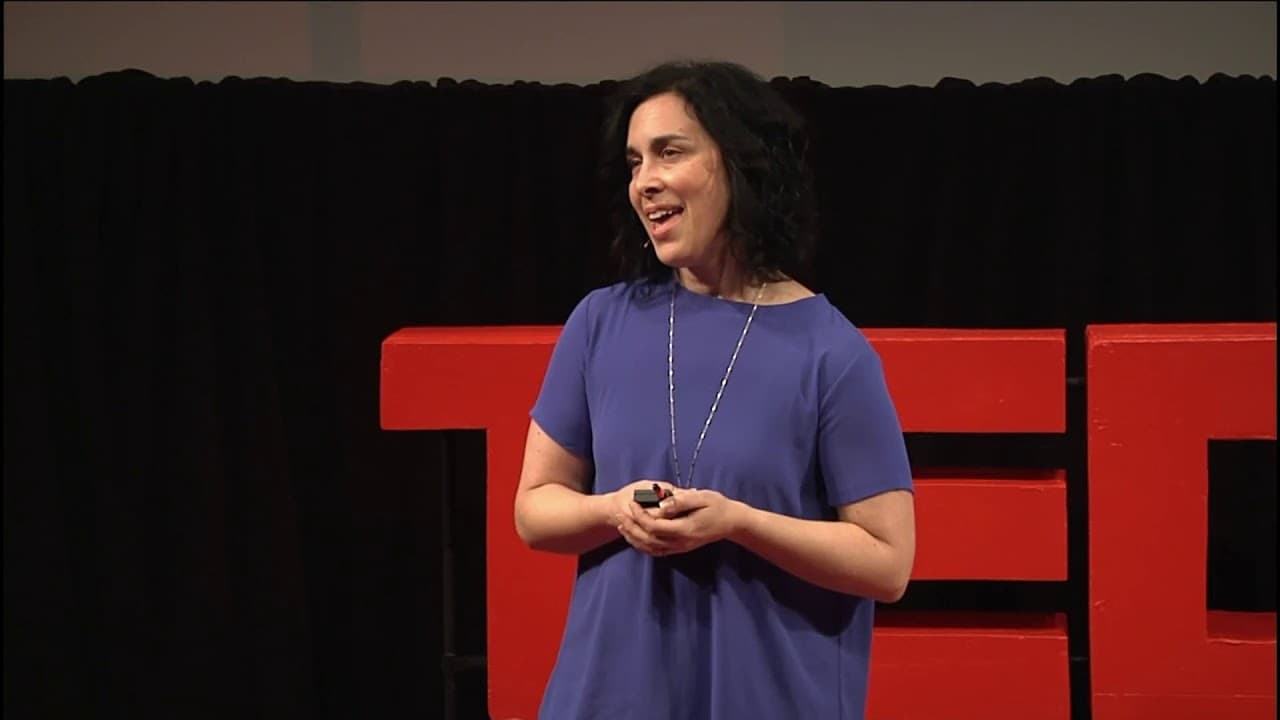
Educator Paulette Unger's TEDx talk on how shifting from teacher-directed instruction to genuine dialogue and inquiry transforms students into self-directed learners — drawing on her classroom experience and the research behind student-led learning.
Drawing on case studies from Sudbury Valley School, Brooklyn Free School, and Albany Free School, this feature explores what decades of democratic schooling reveal about the connection between student autonomy and intrinsic motivation — and what conventional schools can learn from giving students genuine authority over their learning environment.
Alliance for Self-Directed Education co-founder Akilah S. Richards offers a compelling, personal overview of self-directed education — what it is, why it matters for children of color, and how families across income levels are making it work outside traditional schooling.
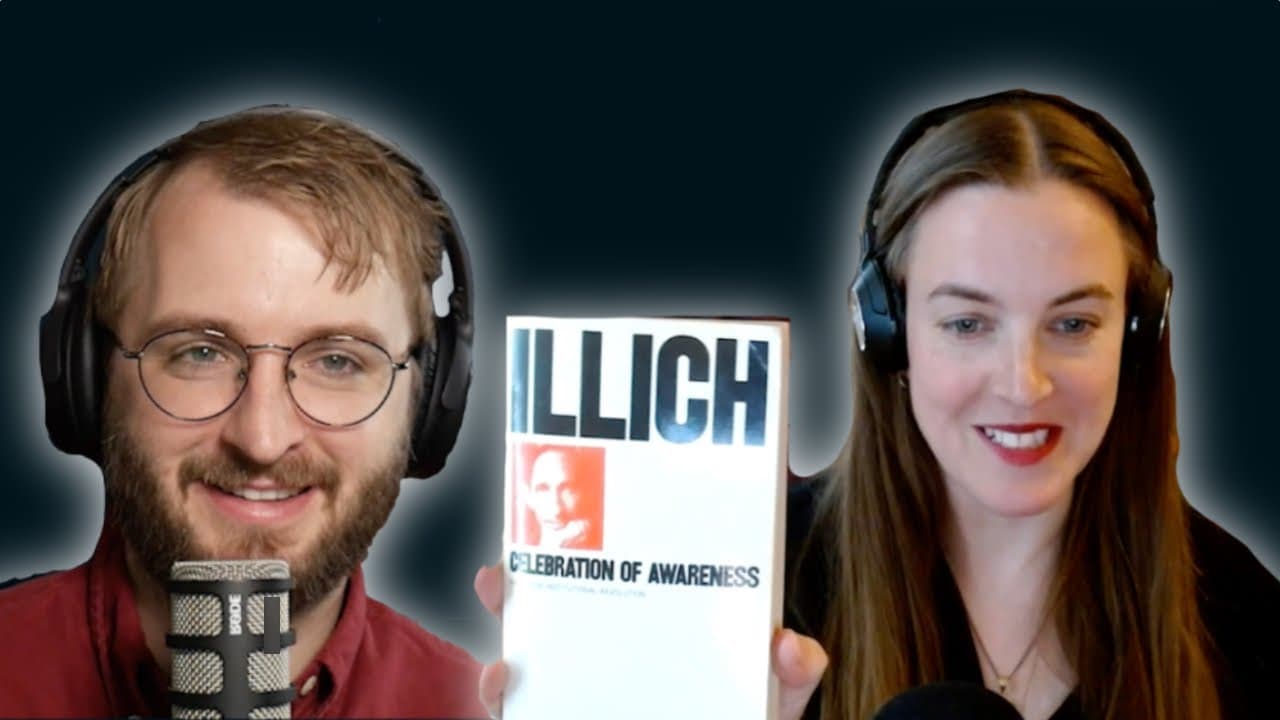
A scholarly yet accessible conversation on Ivan Illich's prescient critiques of compulsory schooling — his concept of 'learning webs,' his vision for convivial tools, and why Deschooling Society (1971) remains urgently relevant in the age of the internet and self-directed learning.
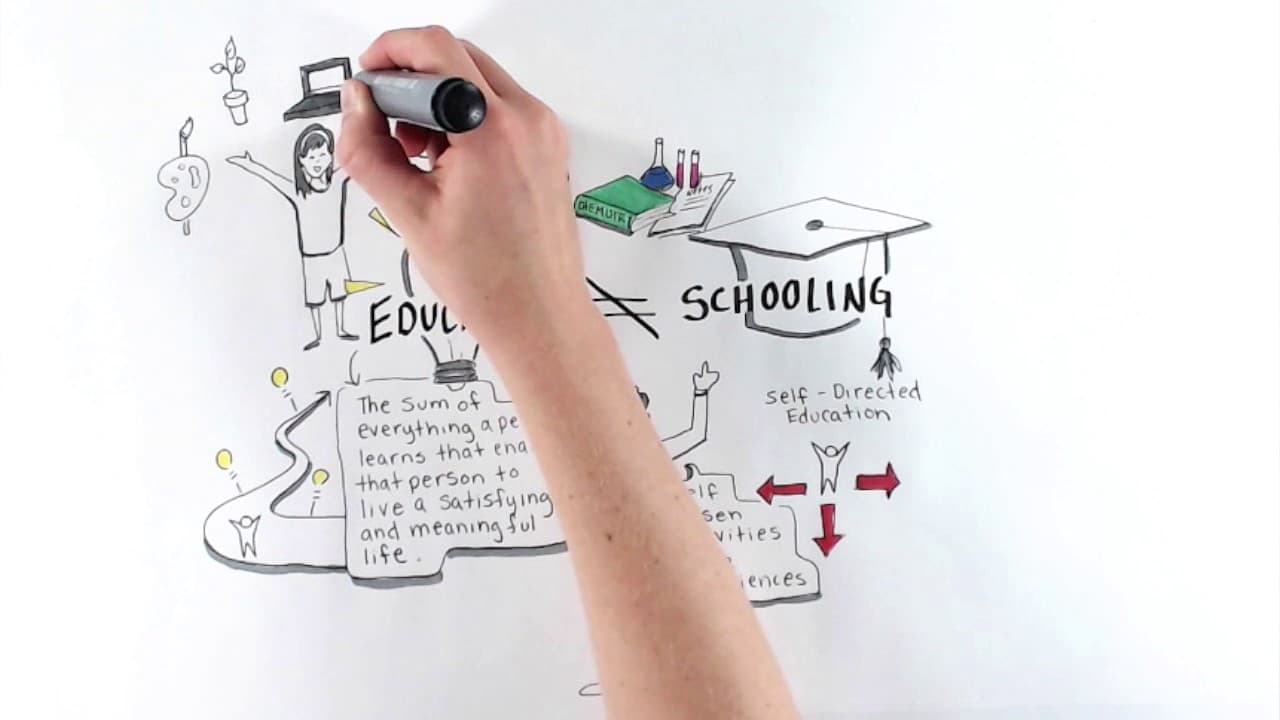
The Alliance for Self-Directed Education explains what self-directed education actually means — the distinction from unschooling, democratic schooling, and homeschooling — and why centering children's agency and intrinsic motivation is both philosophically grounded and practically achievable.
A documentary look at the Sudbury Valley School in Framingham, Massachusetts — the original democratic free school where students of all ages govern themselves, choose their own activities, and learn through living, not curriculum.
NPR science reporter Michaeleen Doucleff spent time with Maya, Inuit, and Hadzabe families studying how they raise cooperative, helpful, and emotionally regulated children without the power struggles and behavioral problems common in Western parenting. Her findings challenge the dominant parenting paradigm and point toward more autonomy-supportive, community-embedded approaches.
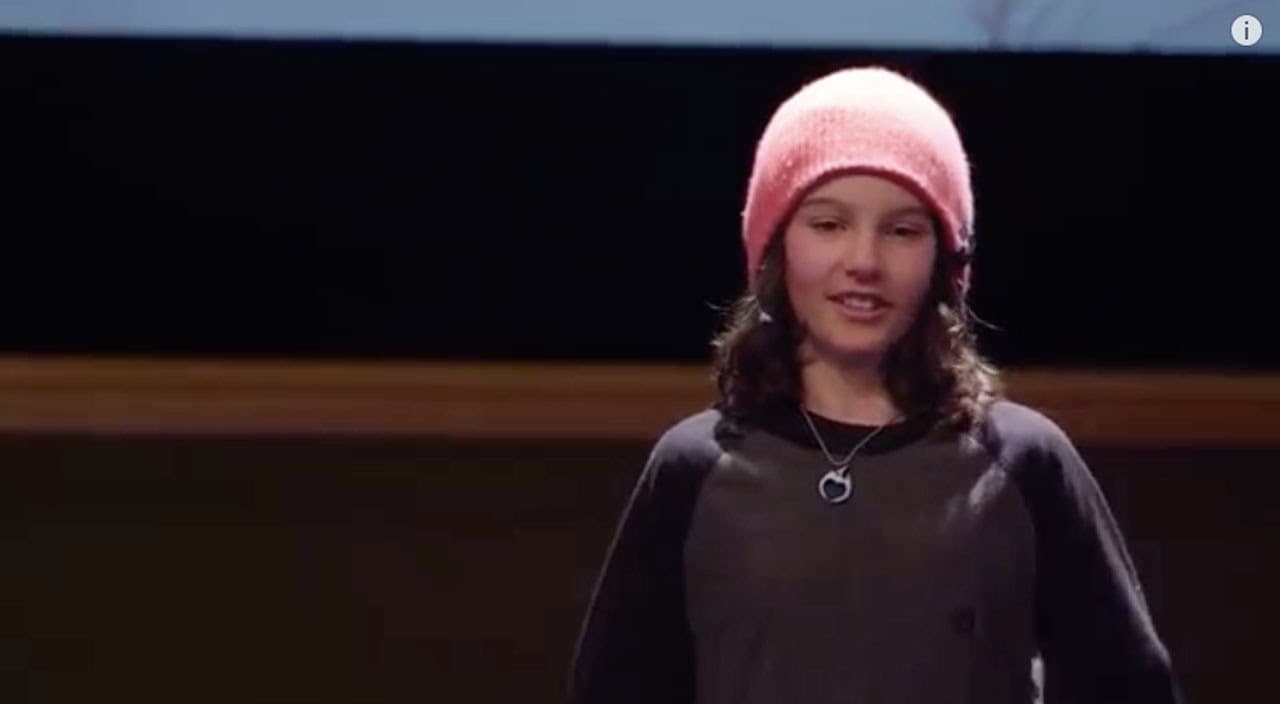
13-year-old Logan LaPlante's breakout TEDx talk on 'hackschooling' — how he designs his own education by treating learning as a creative, adaptive process focused on happiness and health — one of the most-watched alternative education talks ever given by a young person.
A national network of self-directed education centers offering support for communities creating non-coercive, interest-led learning environments for teens and young adults.
Florida Unschoolers is a tuition-free private umbrella school — a legal entity, not a physical or virtual school — that gives approximately 14,000 Florida homeschoolers and unschoolers a legal mechanism for satisfying state requirements without curriculum mandates, standardized testing, or teacher-qualification rules, enabling families to pursue fully self-directed education.
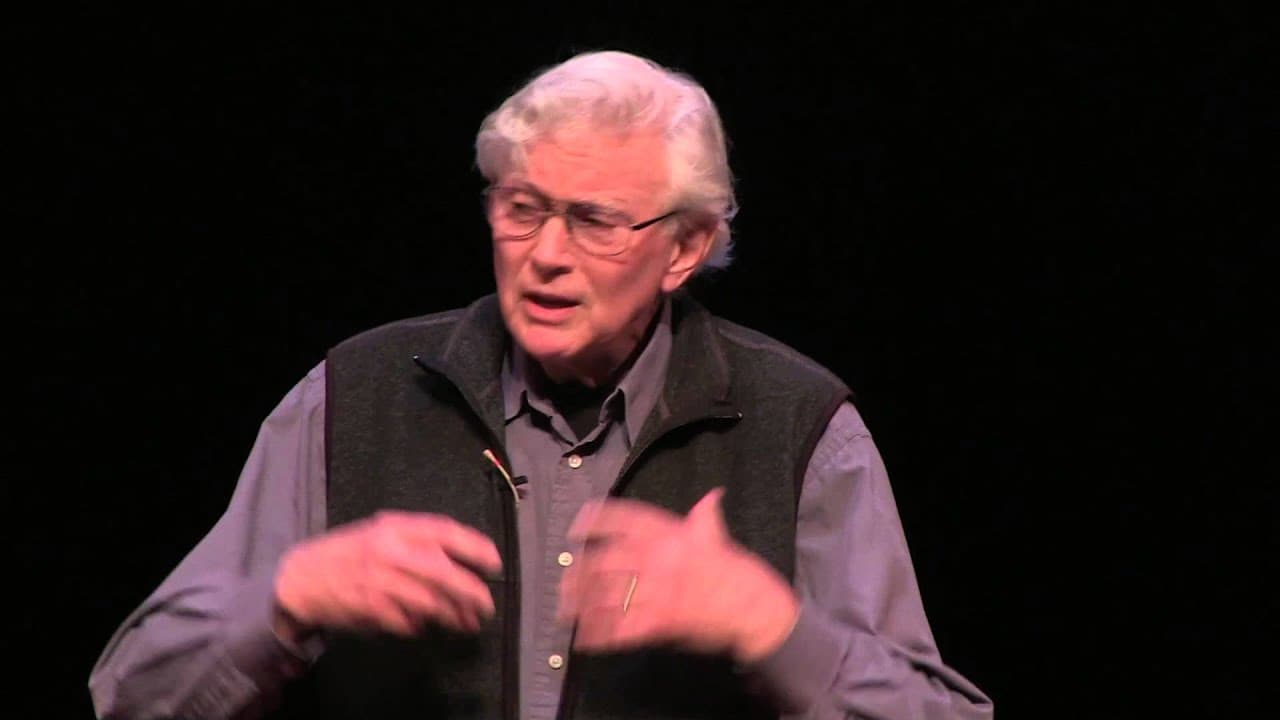
In this TED talk, psychologist Peter Gray argues that schools systematically extinguish children's natural curiosity and passion through extrinsic rewards and punishments — and that self-directed, interest-led learning not only preserves those passions but produces deeper competence than conventional instruction.
Neuropsychologist William Stixrud and educational consultant Ned Johnson argue that giving children more control over their own lives is the key to motivation, resilience, and wellbeing.
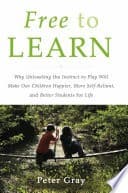
Peter Gray draws on evolutionary biology and developmental psychology to argue that four major biological drives — curiosity, playfulness, sociability, and planfulness — are the foundation of all human learning. He makes the case that self-directed education, as practiced in unschooling families and democratic schools, is the only model that allows all four drives to flourish simultaneously.
Ross Greene, creator of Collaborative Problem Solving, offers a compassionate framework for raising children who are capable, caring, and independent — by solving problems with them, not for them.
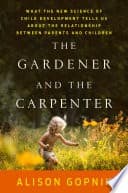
Alison Gopnik, one of the world's leading child development researchers, argues that the modern obsession with 'parenting' as a goal-directed activity — shaping children into specific outcomes — is both scientifically misguided and harmful. Instead, she proposes a gardener model: creating a rich, safe environment and allowing children's natural curiosity and play to drive their development.
Peter Gray's widely-shared TEDx talk on how the decline of unsupervised, child-directed play over the past 60 years is directly linked to the rise in anxiety, depression, and mental illness among children and young adults.
Peter Gray argues that children are biologically designed to learn through self-directed play and exploration, and that modern schooling suppresses these instincts.
Emily Chertoff profiles Sudbury Valley School and the broader democratic schooling movement — schools where students have complete freedom to direct their own learning, set the rules, and run daily governance. A 2012 longform look at arguably the most radical ongoing experiment in American education and what researchers have found about its graduates.
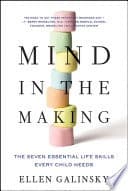
Ellen Galinsky synthesizes three decades of child development research to identify seven essential life skills — including focus and self-control, critical thinking, taking on challenges, and self-directed, engaged learning — that matter more for lifelong success than academic content knowledge. Essential reading for parents and educators designing learning environments.
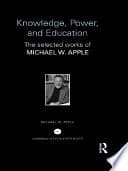
Edited by Michael Apple and James Beane, this collection of essays from practicing democratic educators shows what schools look like when students have genuine power.
The most-watched TED Talk of all time. Sir Ken Robinson argues with wit and passion that public school systems squander children's creative talents and that a radical rethink of education is urgently needed.
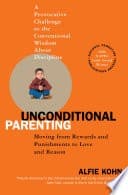
Alfie Kohn challenges the conventional wisdom of rewards and punishments in parenting and education, arguing for a relationship-based approach rooted in trust and respect.
Daniel Greenberg, a founder of the Sudbury Valley School, documents thirty years of evidence that children thrive when given freedom and responsibility.
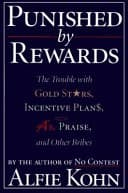
Alfie Kohn's landmark critique of behaviorism in education: gold stars, A's, praise, and incentive programs don't work — and may actually make things worse.
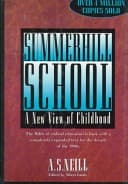
A.S. Neill's account of Summerhill — the radical democratic school he founded in England in 1921 — where children are never compelled to attend lessons or obey adult authority.
We are partially ad-funded!