Homeschooling Law: Alabama
Alabama allows homeschooling through a church/private school enrollment option or by working with an approved church school. There is no state notification requirement if operating under a church umbrella school.
126 resources matching your filters
Alabama allows homeschooling through a church/private school enrollment option or by working with an approved church school. There is no state notification requirement if operating under a church umbrella school.
Alaska offers several homeschool options including a 'home school' option requiring annual notification to the local school district, and correspondence/state programs. Requirements are minimal and Alaska is considered one of the more permissive states.
Arizona has simple, permissive homeschool laws. Parents must file an affidavit with the county school superintendent, but there are no required standardized tests, curriculum mandates, or teacher qualification requirements.
Arkansas requires annual written notice to the local school district before the school year begins. There are no required standardized tests, no curriculum mandates, and no teacher qualification requirements.
Connecticut requires no formal notification or registration to begin homeschooling. Parents must provide instruction equivalent to that in public schools in required subjects. Connecticut is considered a low-regulation state.
Delaware allows homeschooling with low regulatory requirements. Families operate under one of three options and must notify authorities, but there is no required standardized testing and no teacher qualification requirements.
Georgia has a clear homeschool law requiring an annual declaration and standardized testing. Families file with the local school superintendent and must have children assessed annually.
Hawaii requires annual notification to the state Department of Education and annual assessment of student progress. There is no required standardized test format and no teacher qualification requirement.
Idaho is one of the least regulated states for homeschooling. There is no notification requirement and no required testing, though parents must cover state-mandated subject areas.
Indiana is highly permissive. Homeschools are treated as non-accredited private schools. There is no notification or registration requirement, no required testing, and no curriculum oversight.
Iowa offers several homeschool options with varying levels of oversight. Most families use the Competent Private Instruction (CPI) option, which requires annual assessment by a licensed teacher or standardized testing.
Kansas requires a first-year notification and periodic assessment, but otherwise has minimal homeschool regulations. There is no annual reporting requirement and no mandated curriculum, though periodic testing is required.
Kentucky requires notification to the local school district and instruction in state-mandated subjects. There is no required standardized testing and no teacher qualification requirements.
Louisiana offers two main homeschool options. Families using Option 1 (BESE-approved home study) must apply annually and have children assessed. There is no teacher qualification requirement.
Maine requires notification and annual assessment under its primary homeschool option. Maine has two pathways with differing requirements; one involves teacher qualifications for the instructing parent.
Maryland offers two main homeschool options: supervised by the local school district (with portfolio reviews) or enrollment under a church umbrella school. Requirements vary by option but are generally moderate.
Minnesota requires annual notification to the local school district and that the teaching parent meet certain qualification requirements (college degree or supervision by a licensed teacher). Standardized testing is also required.
Mississippi has minimal homeschool regulations. Families simply file a certificate of enrollment with the local school district each year. There is no required testing, curriculum, or teacher qualifications.
Missouri requires no notification but does require annual assessment and instruction in state-mandated subjects. Parents must maintain records, but there is no teacher qualification requirement.
Montana requires annual notice to the county superintendent and instruction in state-mandated subjects. There is no required standardized testing and no teacher qualification requirement.
Nebraska requires filing for exempt school status with the state Department of Education. Teacher qualification requirements apply, and instruction must be provided in required subjects. There is no required standardized testing.
Nevada requires annual notice of intent and instruction in state-mandated subjects. There is no required standardized testing and no teacher qualification requirements. Nevada is a low-regulation state.
New Hampshire requires annual notice of intent and an annual academic assessment. However, parents have flexibility in choosing the assessment method, and there is no required curriculum or teacher qualification requirement.
New Jersey is one of the very few states with no notice or registration requirement for homeschooling. Parents simply ensure their child receives equivalent instruction in required subjects.
New Mexico requires notification to the state Public Education Department, teacher qualification requirements for the instructing parent, and instruction in state-mandated subjects. There is no required standardized testing.
North Dakota has among the most stringent homeschool regulations in the nation, requiring parent qualifications, annual assessments, and approval-based oversight for families who do not meet the teacher qualification threshold.
Oklahoma is one of the most permissive homeschool states. There is no notification requirement, no required testing, no curriculum mandates, and no teacher qualification requirements.
Oregon requires annual notice to the local school district and standardized testing every other year beginning in grade 3. Oregon has moderate requirements compared to national averages.
Rhode Island requires notification and instruction in state-mandated subjects. Despite having some local approval steps, Rhode Island is classified as a low-regulation state. There is no required standardized testing.
South Carolina offers three main homeschool options with varying requirements, including direct approval through the local school district, accountability organization membership, or operating under a third-party association. Requirements vary by option.
South Dakota requires annual notification to the local school board and instruction in state-mandated subjects. There is no required standardized testing and no teacher qualification requirements.
Tennessee allows homeschooling through multiple options with varying requirements. Under certain options, annual testing applies; under others, it does not. Teacher qualification requirements apply. There are no state-mandated curriculum requirements.
Utah requires annual notice to the local school district and periodic assessment but is generally considered a permissive state. Utah also offers robust charter and alternative school options alongside traditional homeschooling.
Vermont requires annual enrollment notification to the state Agency of Education. An annual assessment by a qualified evaluator is required, but there is flexibility in how that assessment is conducted.
West Virginia requires annual notice to the county superintendent and an annual assessment, with results submitted to the school. West Virginia has moderate-to-stringent requirements relative to most states.
Wisconsin requires an annual home-based private educational program declaration filed with the state Department of Public Instruction. Beyond this simple filing, requirements are minimal β no required testing, curriculum, or teacher qualifications.
Wyoming is one of the most permissive homeschool states. No notification is required, there is no required testing, and no teacher qualification requirements. Parents must cover state-mandated subject areas.
The Texas legislature passed SB 284 in February 2026, modifying reporting requirements for homeschool families. Here's what you need to know.
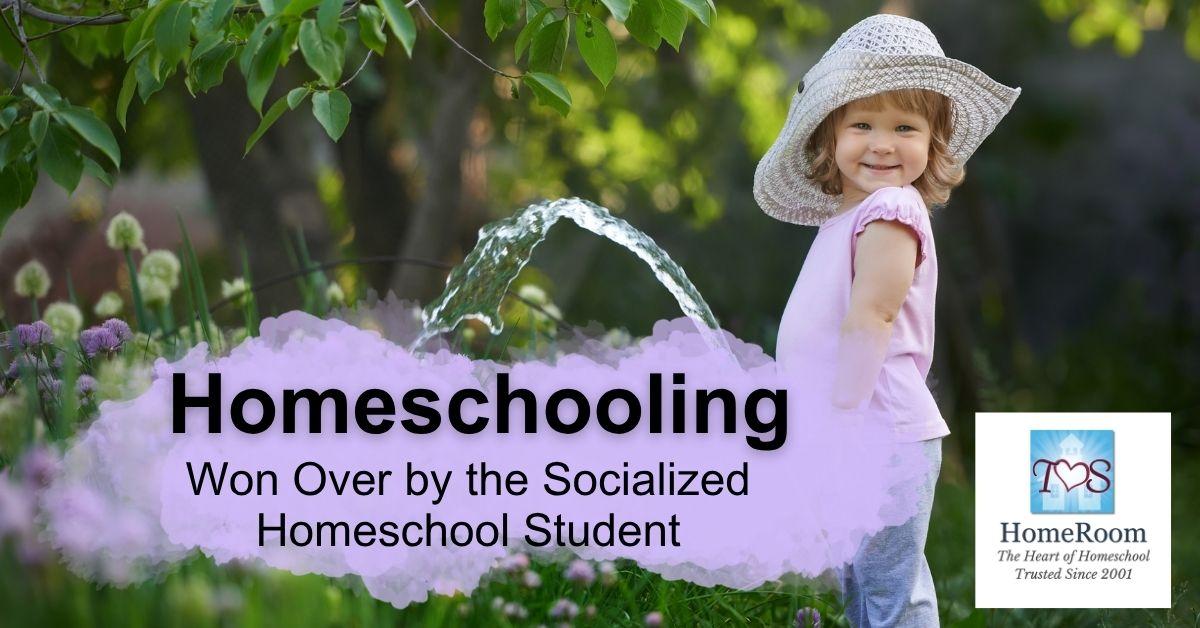
The most common objection to homeschooling β that kids won't learn to socialize β turns out to be largely unsupported by evidence. Here's what the studies show.
With universal ESA eligibility now the norm in many states, the conversation shifts to improving program access and ensuring families can actually use the funds across a wide array of qualifying educational expenses.
Texas has some of the most permissive homeschool laws in the United States. There is no notification requirement, no required curriculum beyond five basic subjects, and no state oversight.
California allows homeschooling through several legal options, most commonly by filing as a private school (PSA). Requirements include filing annually and keeping attendance records.
New York has some of the most detailed homeschool regulations in the country, requiring annual notification, individualized home instruction plans (IHIP), quarterly reports, and annual assessments.
Homeschooling is effectively illegal in Germany. All children are required to attend a state-approved school, and families who attempt to homeschool face significant legal consequences.
Florida is a homeschool-friendly state with straightforward requirements: file a notice of intent, keep a portfolio, and submit to an annual evaluation. No standardized testing is required if a portfolio review is chosen.
Pennsylvania requires annual affidavit filing, a detailed portfolio, standardized testing in specific grades, and a portfolio review by a certified evaluator β one of the more structured states in the Mid-Atlantic.

Illinois is a very low-regulation homeschool state. Homeschools are treated as private schools with no notification, registration, or testing requirements β parents simply educate their children at home.
Ohio requires annual notification to the local superintendent, documentation of 900 instructional hours, and an annual assessment β but offers several assessment options including portfolio review, making it moderately flexible.
Virginia allows homeschooling through a religious exemption or under the general homeschool statute, which requires annual notice, evidence of parent qualifications, and annual proof of academic progress.
Washington requires parents to declare intent to homeschool, meet qualification requirements, provide 1,000 hours of instruction including 2 hours/day of core subjects, and administer an annual assessment.
Colorado is a moderate-regulation state: parents must notify the local district, provide 172 days of instruction in required subjects, and have the child assessed every other year.
Michigan is a very permissive state for homeschooling β no notification, registration, or testing is required. Families have broad freedom in curriculum choice.
Massachusetts requires prior approval from the local school district before homeschooling begins β one of just a handful of states with an approval requirement. The standards for approval vary significantly by district.
North Carolina requires annual notice to the state, at least 9 months of instruction per year, and annual nationally standardized achievement testing β but has no required subjects beyond English and mathematics.
Ontario allows homeschooling by filing a written notice of intent with the local school board. No curriculum or testing requirements exist at the provincial level, making Ontario one of Canada's most permissive provinces.
Home education is legal throughout the UK. Parents in England must deregister from school if previously enrolled and are not required to follow the national curriculum, use set hours, or have their children assessed.
Homeschooling is legal in all Australian states and territories, but requirements vary significantly by state. Most require registration with the state education authority and periodic home visits or portfolio assessments.
Homeschooling is not permitted in the Netherlands as a primary form of education. Compulsory attendance laws require children to attend a recognized school, though families may apply for a philosophical exemption in limited circumstances.
New Zealand has a well-established homeschooling framework. Families can apply for a Homeschooling Exemption Certificate from the Ministry of Education, and approved families receive a modest government allowance.
South Africa legally permits homeschooling, but parents must register their children with the provincial Department of Education and meet curriculum standards aligned with the National Curriculum Statement.
Ireland permits homeschooling but requires parents to apply to Tusla (Child and Family Agency) for an exemption from compulsory school attendance. Families must demonstrate that suitable education is being provided.
France dramatically restricted homeschooling in 2022, now requiring families to obtain prior authorization from local authorities. Approved cases are limited to specific circumstances such as health conditions.
More colleges are actively recruiting self-directed learners, but the path isn't always obvious. This guide explains portfolios, alternative transcripts, and which schools are most open.
Virtual academies, online co-ops, and hybrid programs have exploded since 2020. Here are the most reputable options at every grade level and price point.
Profoundly gifted children often struggle in standard classrooms β and many twice-exceptional kids (2e) face even greater challenges. Parents and researchers share what actually helps.
Eclectic homeschoolers borrow from Montessori, Charlotte Mason, classical, and unschooling to create a custom approach. More families are choosing it than any single methodology.
Co-ops let homeschooling families share teaching responsibilities, resources, and social time. Here's how to find one, join one, or start your own.
Can you homeschool a child with an IEP? Do you keep special ed services? The answers depend on your state β this guide untangles the key questions.
From Abeka to Sonlight to My Father's World, there are dozens of explicitly Christian and faith-based homeschool curricula. This guide compares philosophy, scope, and cost.
From Oak Meadow to Teaching Textbooks to Time4Learning, a detailed breakdown of the most-used homeschool curricula β comparing philosophy, cost, grade range, and parent workload.
New NHERI survey data shows homeschooling has grown in every state since 2019, with particularly dramatic increases in Florida, Arizona, and several Midwestern states.
Researcher Rachael Cody at Oregon State University finds that parents of 2e children turn to homeschooling primarily to escape the masking problem β where disabilities hide giftedness or vice versa β and to access the individualized instruction public schools rarely provide. The article argues schools could retain more 2e families by training teachers to recognize asynchronous development.
Unit studies integrate multiple subjects around a central topic β a historical period, a scientific concept, a piece of literature. Here's why they work and how to design your own.
Education policy researcher Michael McShane surveys the emerging landscape of microschools, hybrid homeschool programs, and learning pods β intentionally small schools of 15 students or fewer β giving families new alternatives beyond traditional district and charter schools. The piece examines their legal status, diversity of models, and policy implications.
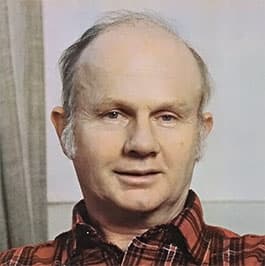
Pioneer of the homeschooling and unschooling movements whose books and newsletter Growing Without Schooling inspired a generation of families to opt out of conventional school.
Three-time New York City Teacher of the Year who resigned from teaching to become one of the most radical critics of compulsory schooling in America.
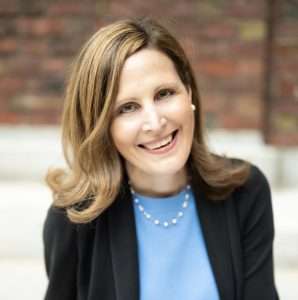
Homeschool pioneer and founder of Brave Writer, the widely-used writing and language arts program. Julie Bogart homeschooled her five children for 17 years and has become one of the most trusted voices in the homeschooling community through her books, podcast, and online teaching.
Author of Unschooled and education policy researcher, Kerry McDonald is a senior fellow at the Foundation for Economic Education and one of the most prominent writers making the evidence-based case for self-directed learning and alternatives to conventional schooling.
Historian, educator, and homeschooling advocate best known as the co-author of The Well-Trained Mind, the definitive guide to classical home education. Bauer holds a Ph.D. in American Studies from William & Mary and homeschooled her own four children through high school.
The largest homeschool legal advocacy organization in the US, offering legal support, state-by-state law summaries, and policy advocacy for homeschooling families.
An online community of location-independent homeschooling families who travel and educate their children through real-world experiences. Includes meetup coordination, resources, and forums.
A non-profit research and data organization publishing peer-reviewed studies on homeschooling outcomes in academic, social-emotional, and civic domains. The go-to source for homeschool research data.
A comprehensive free learning platform covering math, science, history, and test prep for all ages. Widely used by homeschooling families and unschoolers as a self-paced, mastery-based supplement.
A community-based classical homeschool program operating in all 50 US states and 50+ countries. Families meet weekly in small class groups while parents serve as lead learners alongside their children.
A free web-based planner specifically designed for homeschooling families to schedule lessons, log hours, generate report cards, and track attendance β essential for states that require record-keeping.
A vast free library of media resources β videos, interactive tools, lesson plans, and primary sources β curated by PBS for educators and homeschooling families across all subject areas and grades Kβ12.
A cooperative buying group that negotiates group discounts on curriculum, tools, and educational resources for homeschooling families β often saving 20β80% off retail prices.
An international platform connecting homeschooling communities, organizations, and families across 50+ countries. Publishes research, hosts a global conference, and advocates for homeschooling freedom internationally.
Julie Bogart's acclaimed writing and language arts program for homeschoolers, used by tens of thousands of families. Brave Writer teaches writing through relationship and enjoyment rather than correction, offering curriculum packages, an online community, and coaching for parents who find writing the hardest subject to teach.
The leading advocacy and professional development organization for gifted and talented education in the US. Offers research summaries, policy advocacy, a parent resource hub, and connections to state gifted associations β essential for families of gifted and twice-exceptional children navigating the education system.
A non-profit organization serving profoundly gifted students and their families, offering the Davidson Academy (free tuition public school for highly gifted students in Reno), the Davidson Fellows Scholarship, and a comprehensive online resource library for parents of highly gifted and twice-exceptional children.
A publisher of classical curriculum materials including Latin, logic, rhetoric, and history programs used widely by classical homeschoolers. Also publishes the well-regarded 'Teaching from Rest' and hosts the ScholΓ© Academy for live online classical coursework.
A comprehensive resource hub for parents of children with learning and thinking differences including dyslexia, ADHD, and twice-exceptional profiles. Offers expert articles, personalized recommendations, and community support to help families navigate school systems and alternative education options.
HSLDA's comprehensive directory of homeschool organizations and legal information covering dozens of countries worldwide β an essential first stop for international families researching the legal landscape and support networks available in their country.
The largest online network and forum specifically for secular (non-religious) homeschooling families, covering curriculum reviews, state-specific legal guidance, socialization strategies, and community support for families who want a rigorous, evidence-based education outside faith-based frameworks.
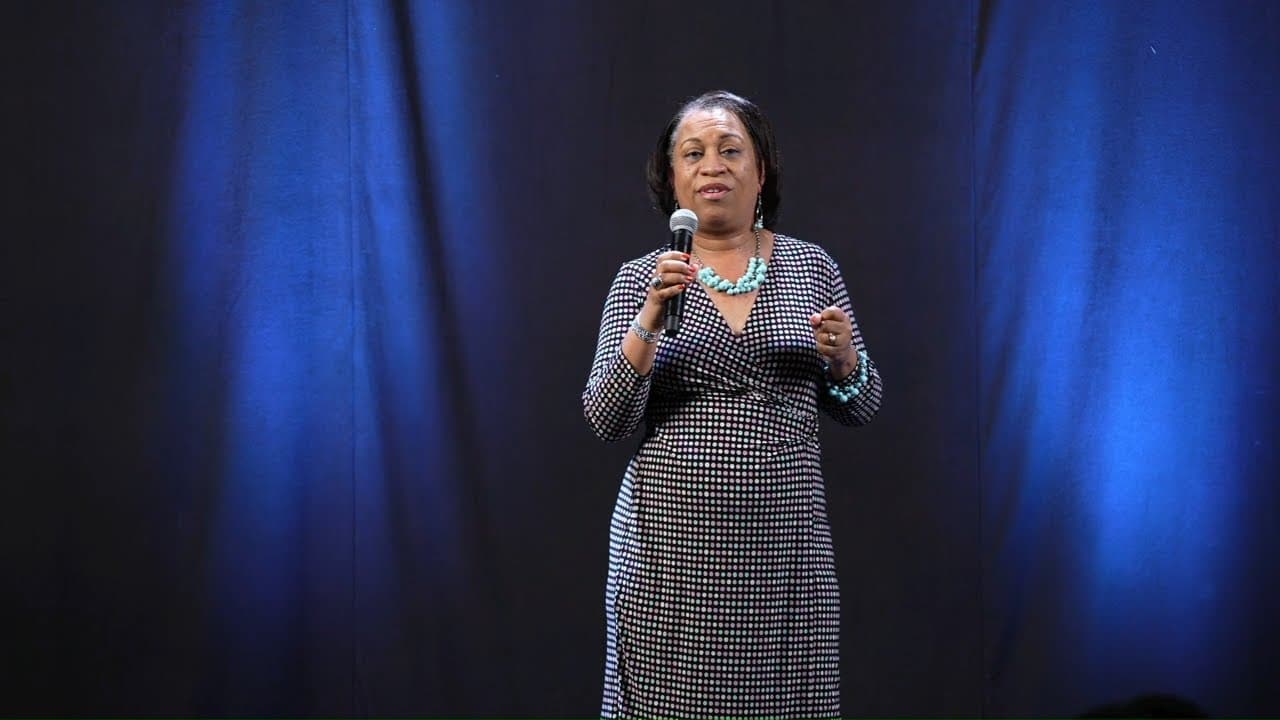
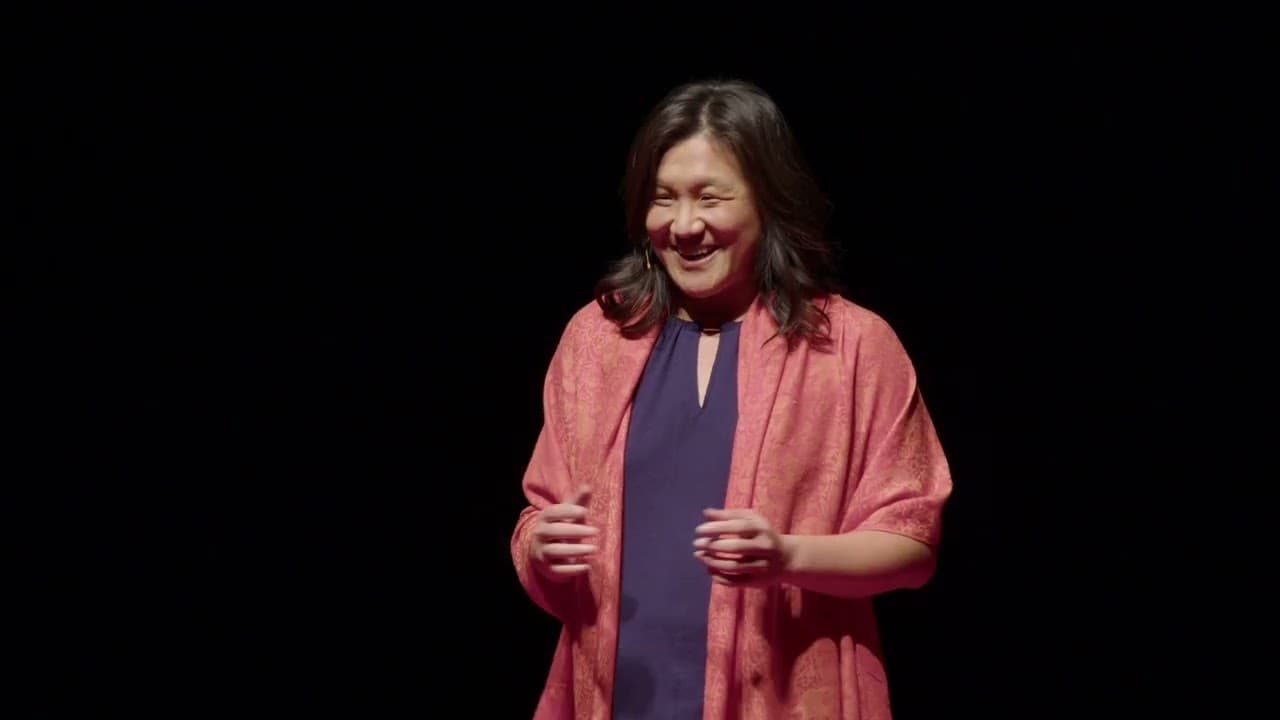
Natalie Minor Mack's TEDx talk on the real, measurable impact of homeschooling β drawing on both research and personal experience to address socialization concerns, academic outcomes, and how homeschooled graduates perform in college and careers.
A practical guide for families considering homeschooling a child with IEP-qualifying disabilities or chronic health conditions, covering legal rights and IDEA protections, designing an individualized curriculum, community resources, and how to access public school services like speech therapy while homeschooling.
An exploration of how homeschool cooperatives β groups of families who share teaching responsibilities and pool resources β provide structured social interaction, accountability, access to specialized subjects like lab science and foreign languages, and the community that solo homeschooling families often find hardest to replicate.
A TEDx talk making the case for worldschooling β using travel, cultural immersion, and real-world experiences as the primary vehicle for children's education β with evidence that learning through living produces confident, adaptable, globally aware young people.
A guide to unit studies β an approach where all subjects are woven around a single central topic β explaining how they promote deep comprehension through meaningful connections, work effectively across age ranges in multi-child families, and engage students' natural curiosity in ways traditional textbook learning rarely achieves.
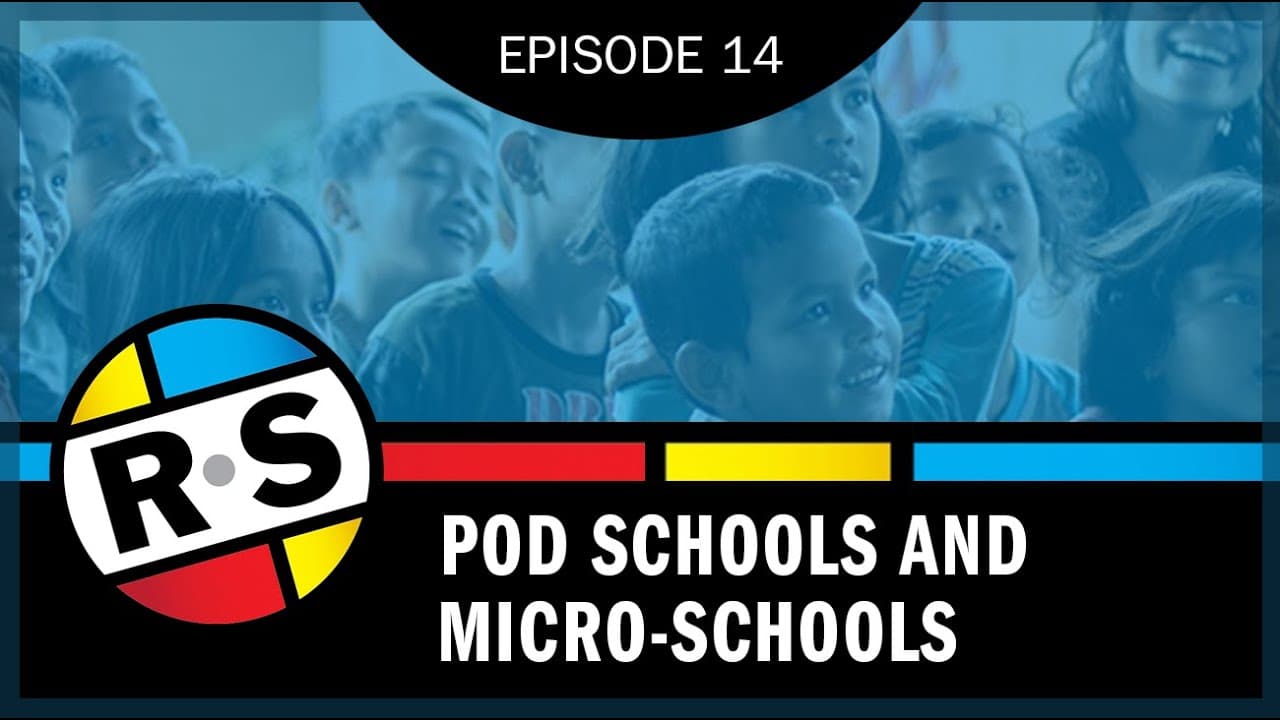
A deep-dive conversation on the explosive growth of microschools and pandemic pods β small learning communities of 5β15 students β exploring the diverse models emerging across the country and what they reveal about what families are hungry for beyond large traditional schools.
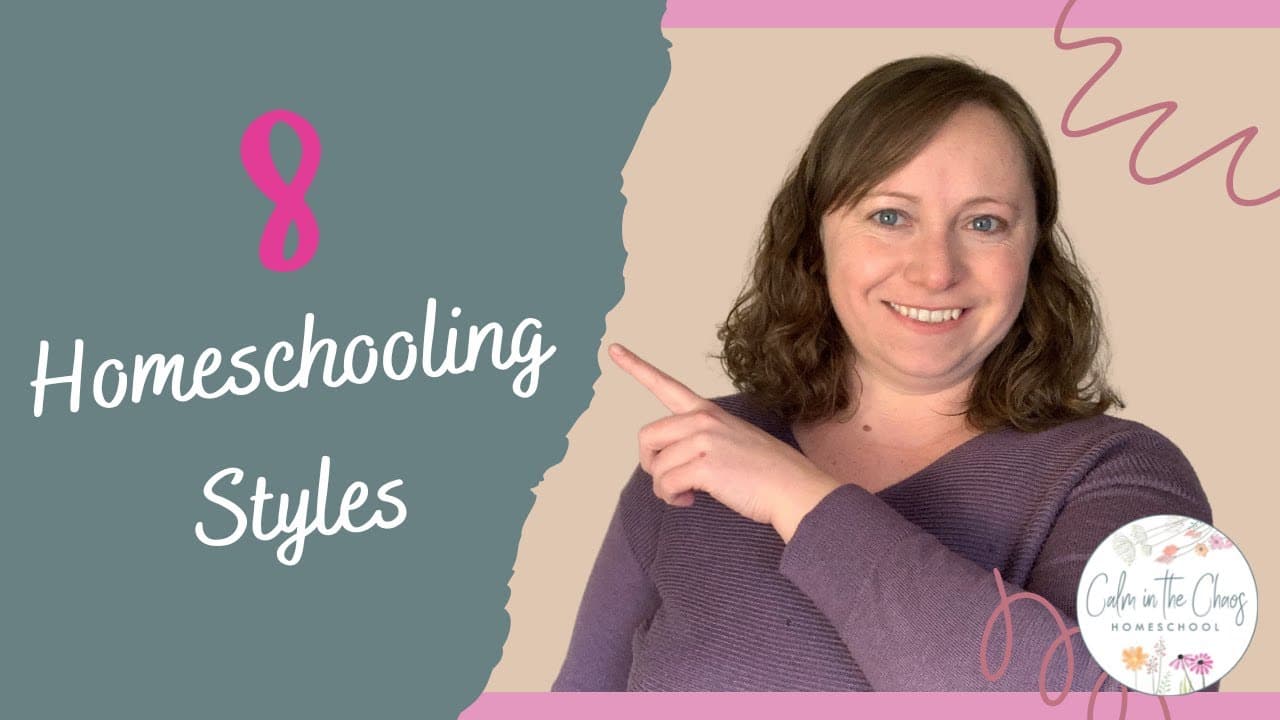
A practical, candid overview of eight popular homeschooling approaches β including Classical, Charlotte Mason, Eclectic, Unschooling, and more β with honest pros, cons, and guidance for families deciding which style fits their children and lifestyle.
A Psychology Today piece on the worldschooling movement explores how raising children in continuous travel cultivates cultural awareness, adaptability, language acquisition, and global perspective β while honestly examining the challenges of social continuity, college preparation, and the mental load on parents who are also their children's full-time educators.
Black families are forming homeschooling cooperatives and co-ops in growing numbers, driven by concerns about racism in schools, disciplinary disparities, and the desire for culturally affirming curriculum.
A practical walkthrough for families interested in forming a homeschool cooperative, covering legal structures, dividing teaching responsibilities, finding a venue, building community agreements, managing conflict, and navigating the range of models from enrichment co-ops to full academic co-ops with credit-bearing courses.
NHERI research shows that faith and religious values are among the most consistent drivers of homeschooling decisions, and that homeschooled adults show substantially higher rates of religious belief and practice than their publicly or privately schooled peers β findings with significant implications for policy, faith communities, and the families navigating the intersection of belief and education.
A practical, beautifully filmed guide to Charlotte Mason's beloved nature journaling practice β from setting up a nature notebook to developing the habit of careful observation, sketching, and narration in the outdoors. Suitable for all ages and no artistic experience required.
An accessible and empathetic overview of twice-exceptional (2e) children β those with both high intellectual gifts and learning disabilities or differences β explaining the masking phenomenon, why 2e children often fall through the cracks, and how homeschooling and alternative education can provide the asynchronous, individualized support they need.
Alliance for Self-Directed Education co-founder Akilah S. Richards offers a compelling, personal overview of self-directed education β what it is, why it matters for children of color, and how families across income levels are making it work outside traditional schooling.
Researchers Hamlin and Peterson examine the dramatic surge in homeschooling during COVID-19 and the rise of hybrid models β pods, cooperatives, and online programs β that emerged alongside it. The article asks whether these shifts represent a durable realignment of American education or a temporary response to an extraordinary disruption.
A clear, substantive explanation of the classical trivium β grammar, logic, and rhetoric β and how these three stages map to different developmental periods in childhood. The video explains why classical educators prioritize narrative, memorization, and dialectic at different ages, and how this differs fundamentally from skill-and-drill approaches.
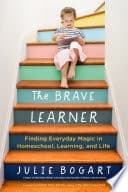
Julie Bogart, founder of Brave Writer, offers an inspiring vision of homeschooling as a partnership between parent and child, built around enchantment, curiosity, and connection rather than rigid curriculum compliance. She provides practical strategies for creating a learning environment where both parents and children thrive.
Kerry McDonald makes a well-researched, accessible case for self-directed education outside conventional schooling, profiling unschooling families across the US and examining the research on intrinsic motivation, mastery learning, and the long-term outcomes of self-directed learners. A clear-eyed introduction for skeptical parents.
Sarah Mackenzie makes the compelling case that reading aloud together is one of the most powerful and lasting investments parents can make β building vocabulary, empathy, love of learning, and family connection simultaneously. Packed with practical guidance and hundreds of book recommendations for every age.
The definitive guide to classical home education by Susan Wise Bauer and Jessie Wise. Drawing on the trivium β grammar, logic, and rhetoric β it lays out a complete K-12 curriculum framework organized by the three stages of childhood development, with detailed subject-by-subject guidance, book lists, and practical scheduling advice for homeschooling parents.
Sarah Mackenzie addresses the anxiety, overwhelm, and burnout that many homeschooling parents experience, drawing on the classical concept of scholΓ© (restful, unhurried learning) to argue that a peaceful, intentional approach is not only better for parents but produces deeper, more lasting learning in children.
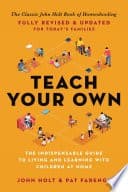
Updated by Patrick Farenga, this essential guide distills John Holt's wisdom on homeschooling and unschooling into a practical companion for families getting started.
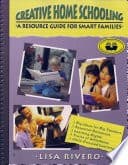
Lisa Rivero's guide to homeschooling gifted and twice-exceptional children, blending rigorous academics with creative, child-led exploration.
A hands-on science curriculum and kit supplier designed for homeschoolers, offering complete chemistry, biology, physics, and electronics lab materials bundled with step-by-step curricula.
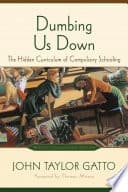
John Taylor Gatto's influential indictment of compulsory schooling, drawing on his 30 years as a NYC teacher and three-time Teacher of the Year.
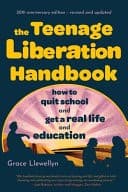
Grace Llewellyn's cult classic guide for teenagers who want to leave school and design their own education β still the most widely read book on teen self-directed learning.
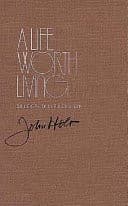
A curated collection of letters from John Holt revealing the intellectual development of the father of unschooling β from school reformer to radical deschooler.
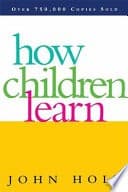
A companion to How Children Fail, this seminal book by John Holt observes how young children learn through play, exploration, and curiosity before formal schooling gets in the way. Holt argues that children are naturally brilliant, fearless learners and that our job as adults is to protect that drive, not direct it.
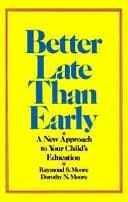
Raymond and Dorothy Moore's influential research-based argument that early childhood academic instruction is harmful β and that children should not start formal schooling before age 8β10.
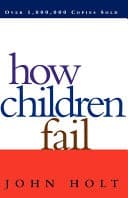
Holt's groundbreaking first book, based on his classroom observations, arguing that schools cause children to fail by making them afraid of the wrong answer.
We are partially ad-funded!