📰

Articles

Research summaries, opinion, and in-depth reads from across the alternative education world. All tagged by methodology and audience.

The AI Use Case Question Teachers Are Still Asking

A fourth-grade teacher's persistent question — 'but what should I actually use AI for?' — frames this report on the gap between AI hype in education and teachers' practical need for concrete, classroom-tested use cases. Mi Aniefuna surveys what educators are finding useful, what remains elusive, and why the promise of AI as a teaching tool keeps outpacing its practical reality.

EdSurge·Mar 2026
View
Learning Latin and Loving Our Distant Neighbors

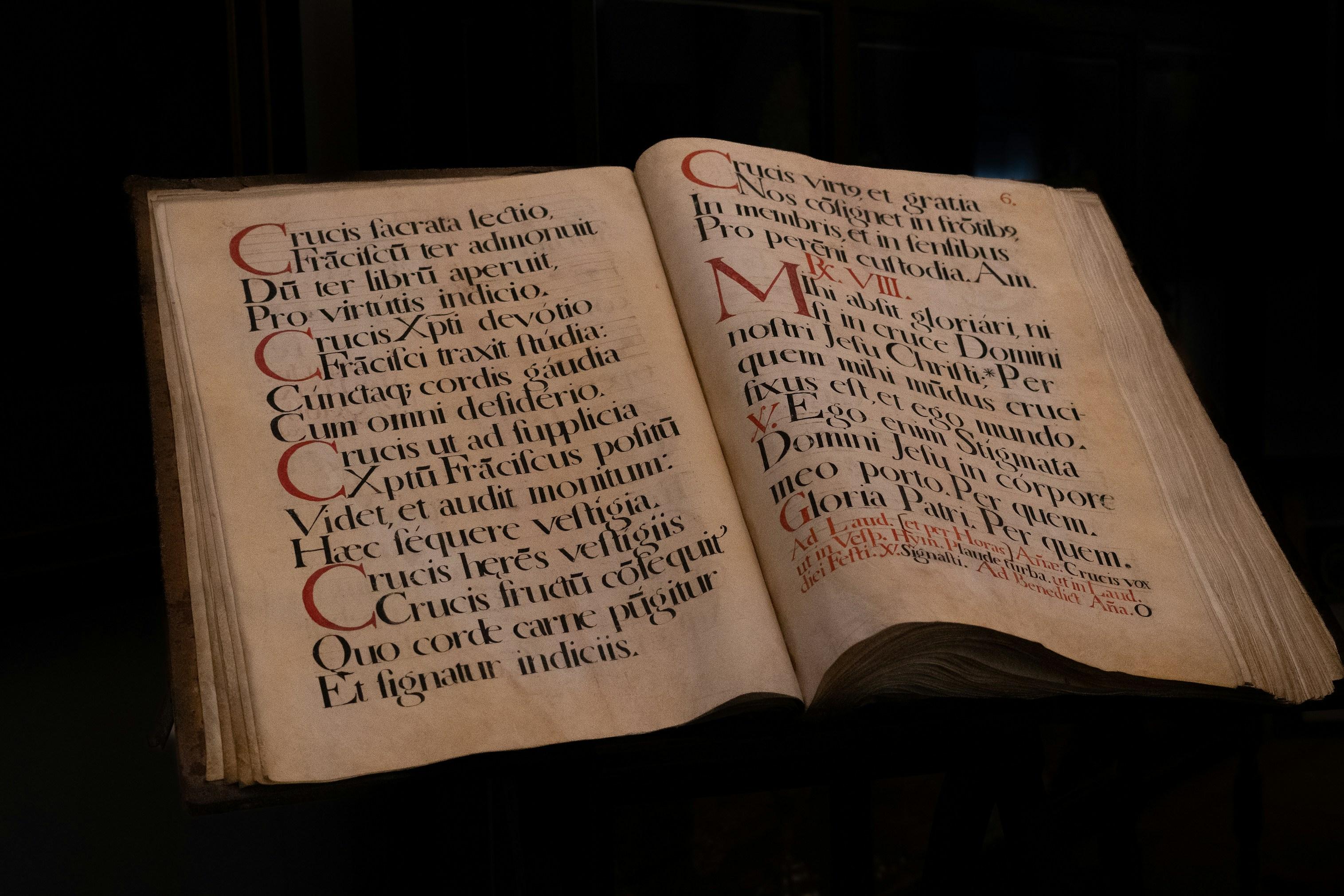
Drawing on Charlotte Mason's concept of 'the democracy of the dead,' Dr. Matthew Bianco argues that studying Latin is an act of loving our distant neighbors across time. Classical language study cultivates attentiveness to human voices across centuries, building the kind of moral imagination that Charlotte Mason believed was the true purpose of education.

CiRCE Institute·Mar 2026
View
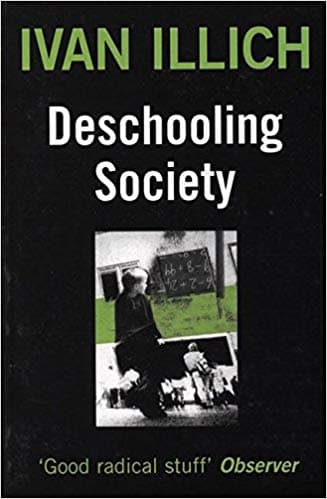
Ivan Illich's Deschooling Society: A Radical Approach to Educational Reform

A detailed exploration of Ivan Illich's 1971 'Deschooling Society,' tracing his critique of compulsory schooling as an institution that manufactures dependency, his alternative vision of 'learning webs' connecting learners with peers and mentors, and the enduring relevance of his ideas to contemporary alternative and self-directed education movements.

Teachers Institute·Nov 2025
View

Why Classical Education Excels at Civic Education

Robert C. Thornett argues that classical education, grounded in the Western liberal arts tradition and great texts, uniquely prepares students for democratic citizenship by cultivating shared cultural understanding and virtue. The approach fosters nuanced discourse about conflicting viewpoints while engaging timeless questions about leadership and the common good.

Education Next·Sep 2025
View

Why Parents of Twice-Exceptional Children Choose Homeschooling

Researcher Rachael Cody at Oregon State University finds that parents of 2e children turn to homeschooling primarily to escape the masking problem — where disabilities hide giftedness or vice versa — and to access the individualized instruction public schools rarely provide. The article argues schools could retain more 2e families by training teachers to recognize asynchronous development.

The Conversation·Mar 2025
View

Sudbury Schools: Is There Such a Thing as 'Too Much' Freedom?

Sudbury Schools operate without teachers, classes, or schedules, allowing students to direct their own learning entirely. This student newspaper piece examines the philosophical case for radical self-direction — citing Peter Gray and David Chanoff's longitudinal research on SVS graduates — alongside counterarguments about academic preparation and socialization.

UMass Dartmouth Student Newspaper·Dec 2024
View

Designing Primary School Grounds for Nature-Based Learning: A Review of the Evidence

A 2024 evidence review examining how primary school grounds can be designed to enable effective nature-based learning. Desiree Falzon and Elisabeth Conrad identify specific physical features — wildness, loose parts, diverse habitats — that correlate with stronger learning outcomes and increased time outdoors, and surface the design knowledge gaps practitioners face.

Journal of Outdoor and Environmental Education·Dec 2024
View

Waldorf Charter Schools vs. Traditional Public Schools: A California Comparison

Frontiers in Education research compared 8th-grade test scores across Waldorf charter schools, non-Waldorf charters, and traditional public schools in California, finding that Waldorf students significantly outperformed both groups in English Language Arts and mathematics — consistent with the Waldorf approach of delaying formal academics in favor of developmental readiness.

Frontiers in Education·Jun 2024
View

A New Crop of School Models Expands Choice

Education policy researcher Michael McShane surveys the emerging landscape of microschools, hybrid homeschool programs, and learning pods — intentionally small schools of 15 students or fewer — giving families new alternatives beyond traditional district and charter schools. The piece examines their legal status, diversity of models, and policy implications.

Education Next·Jan 2024
View

Gap Year Research and Benefits: What the Data Shows

The Gap Year Association's research summary draws on national alumni surveys and education abroad studies to show that structured gap years are linked to higher college GPAs, increased job satisfaction, and development of workforce skills including cultural awareness, communication, and self-direction — skills the World Economic Forum identifies as critical for 2030 employment.

Gap Year Association·Jan 2024
View
📰Article

The Effect of Self-Organised Learning Environments (SOLEs) Pedagogy on Learners' Metacognitive Skills

This South African study examines how SOLE pedagogy affects different components of metacognitive skill — knowledge, monitoring, and regulation — in secondary Physical Sciences classrooms. Hodi Tsamago and Anass Bayaga argue that metacognitive development must be treated holistically and find that SOLEs produce measurable gains across all three dimensions when students are given genuine agency over their own inquiry.

Heliyon (PMC)·Oct 2023
View

Homeschooling Children with Special Needs: What Families Should Know

A practical guide for families considering homeschooling a child with IEP-qualifying disabilities or chronic health conditions, covering legal rights and IDEA protections, designing an individualized curriculum, community resources, and how to access public school services like speech therapy while homeschooling.

HSLDA·Sep 2023
View
📰Article

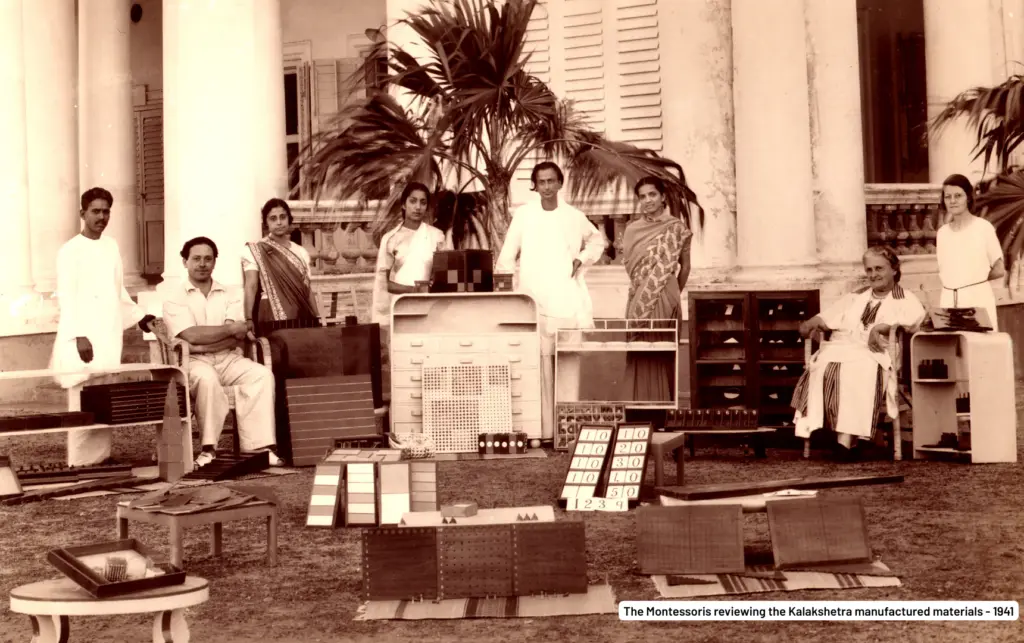
Montessori Education's Impact on Academic and Nonacademic Outcomes: A Systematic Review

A rigorous Campbell Collaboration systematic review analyzed 32 studies and found that Montessori education produces meaningful positive effects on academic outcomes — especially math and language — and even stronger effects on nonacademic outcomes including executive function, creativity, and social-emotional development compared to traditional schooling.

Campbell Systematic Reviews (PMC/NIH)·Aug 2023
View
📰Article

Homeschool Co-ops: Building Community and Academic Depth Through Collaboration

An exploration of how homeschool cooperatives — groups of families who share teaching responsibilities and pool resources — provide structured social interaction, accountability, access to specialized subjects like lab science and foreign languages, and the community that solo homeschooling families often find hardest to replicate.

Stand Together·Jul 2023
View

Don't Ban Virtual School — Improve It

Education Next examines the case for strengthening — rather than restricting — online and virtual schooling options, arguing that well-designed online schools serve important populations including rural students, medically fragile learners, and gifted students seeking advanced coursework unavailable locally. The article reviews outcome data and offers criteria for distinguishing high-quality virtual schools.

Education Next·Jun 2023
View

The Unit Study Approach: Integrated, Cross-Curricular Learning for Homeschoolers

A guide to unit studies — an approach where all subjects are woven around a single central topic — explaining how they promote deep comprehension through meaningful connections, work effectively across age ranges in multi-child families, and engage students' natural curiosity in ways traditional textbook learning rarely achieves.

Homeschool.com·Apr 2023
View

Embracing Divergent Parenting: The Case for Worldschooling

A Psychology Today piece on the worldschooling movement explores how raising children in continuous travel cultivates cultural awareness, adaptability, language acquisition, and global perspective — while honestly examining the challenges of social continuity, college preparation, and the mental load on parents who are also their children's full-time educators.

Psychology Today·Mar 2023
View
📰Article

Homeschooling and Religious Outcomes: How Faith Motivates Alternative Education

NHERI research shows that faith and religious values are among the most consistent drivers of homeschooling decisions, and that homeschooled adults show substantially higher rates of religious belief and practice than their publicly or privately schooled peers — findings with significant implications for policy, faith communities, and the families navigating the intersection of belief and education.

National Home Education Research Institute·Jan 2023
View

The Power of a Democratic Classroom

Drawing on case studies from Sudbury Valley School, Brooklyn Free School, and Albany Free School, this feature explores what decades of democratic schooling reveal about the connection between student autonomy and intrinsic motivation — and what conventional schools can learn from giving students genuine authority over their learning environment.

Edutopia·Oct 2022
View

The Classical Learning Test Takes Aim at the SAT-ACT Duopoly

Education Next profiles the Classical Learning Test (CLT), a college admissions test designed around the Western canon and classical education values, examining whether it offers a genuine alternative to the SAT/ACT for classically educated students and the growing number of colleges aligned with classical or faith-based academic traditions.

Education Next·Aug 2022
View
📰Article

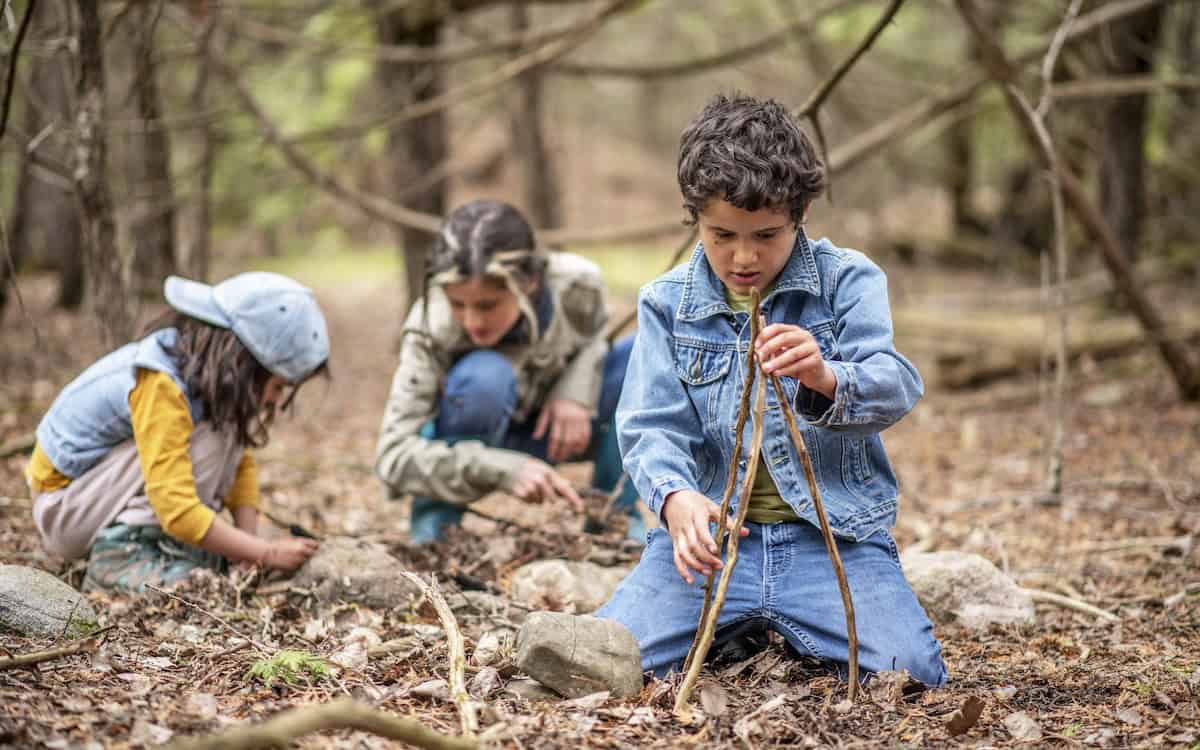
Forest School and Children's Wellbeing: What the Evidence Shows

A research review of Forest School programs finds consistent evidence that regular outdoor, child-led learning in natural environments reduces stress, increases physical activity, builds resilience, and improves social skills — with the strongest gains for children who participate in repeated, extended sessions rather than occasional visits.

Forest School Association·Jul 2022
View
📰Article

Nature-Based Early Childhood Education and Children's Social, Emotional and Cognitive Development: A Mixed-Methods Systematic Review

A mixed-methods systematic review synthesising evidence from nine databases on the associations between nature-based early childhood education and children's social, emotional, and cognitive development. Led by Avril Johnstone and colleagues, the review identifies consistent positive associations and maps significant gaps in the research base.

International Journal of Environmental Research and Public Health (PMC)·May 2022
View

Project-Based Learning and the Equity Gap: New Evidence PBL Works for All Students

A research synthesis reviews evidence that high-quality PBL reduces achievement gaps for historically underserved students, with one landmark study finding that second graders in high-poverty PBL classrooms virtually erased the gap between low- and high-SES students in social studies and informational reading.

Edutopia·May 2022
View

Homeschooling Skyrocketed During the Pandemic. What Does the Future Hold?

Researchers Hamlin and Peterson examine the dramatic surge in homeschooling during COVID-19 and the rise of hybrid models — pods, cooperatives, and online programs — that emerged alongside it. The article asks whether these shifts represent a durable realignment of American education or a temporary response to an extraordinary disruption.

Education Next·Feb 2022
View

8 Homeschool Types: Classical, Charlotte Mason, Unschooling and More!

A practical guide to the eight main homeschooling approaches — classical, Charlotte Mason, unschooling, Montessori, unit studies, school-at-home, eclectic, and hybrid. While some families use one approach exclusively, most wind up with a combination that works best for their children's learning styles and their family's values.

Home Educator·Aug 2021
View
📰Article

Waldorf Students Show High Science Motivation But Moderate Achievement: A PISA Study

Using propensity score matching with the Austrian PISA 2015 sample, researchers found that Waldorf students report significantly higher enjoyment and interest in science than matched peers but do not outperform them on standardized assessments. The study suggests inquiry-based science instruction in Waldorf schools successfully builds intrinsic motivation while academic achievement follows a different developmental arc.

Large Scale Assessment in Education (PMC/NIH)·Jun 2021
View

Deschooling Society Revisited: Ivan Illich After Lockdown

Education scholar David Buckingham revisits Ivan Illich's 1971 manifesto in the context of pandemic school closures and the growing alternative education movement. He finds that Illich's critique of compulsory schooling and his vision of learner-led learning webs anticipates much of what the internet has made possible — while also identifying the limits of that optimism.

David Buckingham — Reflections on Media and Education·Apr 2021
View

New Research Makes a Powerful Case for Project-Based Learning

Two large randomized controlled trials involving over 6,000 students across 114 schools found that project-based learning significantly outperformed traditional instruction across grade levels and demographic groups. Particularly compelling: low-income students showed the same gains as their wealthier peers, making PBL a promising equity strategy.

Edutopia·Feb 2021
View
📰Article

Play-Based Learning: Evidence-Based Research to Improve Children's Learning Experiences in the Kindergarten Classroom

With rising academic expectations creating pressure to replace play with direct instruction in kindergarten, Meaghan Taylor and Wanda Boyer examine the evidence base for play-based learning as a vehicle for meeting early literacy and numeracy standards while preserving the child-directed, exploratory pedagogy that developmental research shows young learners need.

Early Childhood Education Journal·Mar 2020
View
📰Article

Florida Unschoolers

Florida Unschoolers is a tuition-free private umbrella school — a legal entity, not a physical or virtual school — that gives approximately 14,000 Florida homeschoolers and unschoolers a legal mechanism for satisfying state requirements without curriculum mandates, standardized testing, or teacher-qualification rules, enabling families to pursue fully self-directed education.

Alliance for Self-Directed Education·Jan 2019
View

What is PBL?

PBLWorks defines Project Based Learning as a teaching method in which students learn by actively engaging in real-world, personally meaningful projects. This foundational explainer covers the Gold Standard PBL framework — seven key design elements including sustained inquiry, authenticity, student voice, reflection, critique, and public product — that distinguish rigorous PBL from merely doing projects.

PBLWorks·Jan 2019
View

Biological Foundations for Self-Directed Education

Peter Gray draws on evolutionary biology and developmental psychology to argue that four major biological drives — curiosity, playfulness, sociability, and planfulness — are the foundation of all human learning. He makes the case that self-directed education, as practiced in unschooling families and democratic schools, is the only model that allows all four drives to flourish simultaneously.

Psychology Today·Sep 2016
View
📰Article

No Teachers, No Class, No Homework; Would You Send Your Kids Here?

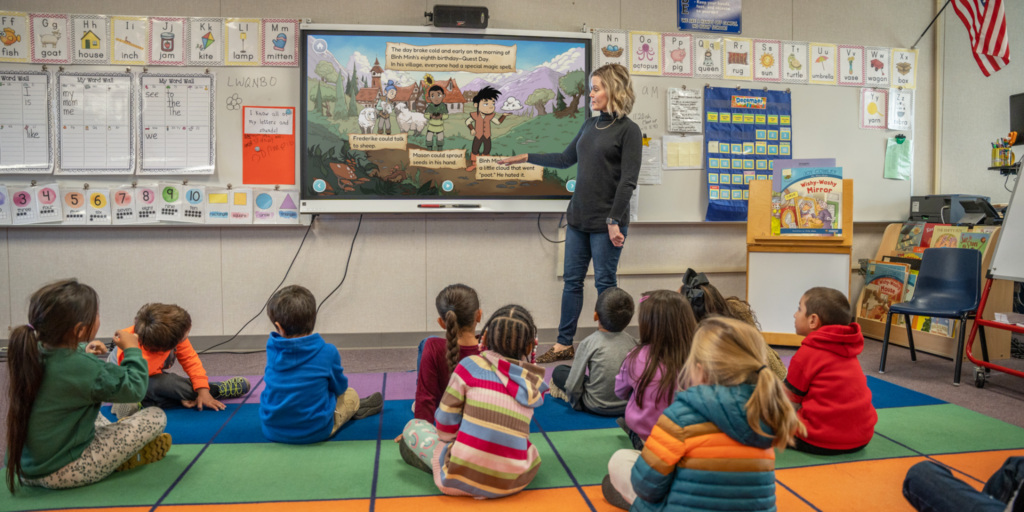
Emily Chertoff profiles Sudbury Valley School and the broader democratic schooling movement — schools where students have complete freedom to direct their own learning, set the rules, and run daily governance. A 2012 longform look at arguably the most radical ongoing experiment in American education and what researchers have found about its graduates.

The Atlantic·Dec 2012
View
Waldorf-Inspired Public Schools Are on the Rise

Malaika Costello-Dougherty profiles the quiet expansion of Waldorf-inspired public schools across the United States, driven by parents seeking relief from high-stakes testing culture. The piece examines how Waldorf methods — artistic integration, developmentally paced curriculum, emphasis on imagination — translate into public school settings serving diverse student populations.

Edutopia·Aug 2009
View

We are partially ad-funded!