Browse Resources

57 resources matching your filters

Free
πŸ”—Resource

Let Grow

Founded by journalist Lenore Skenazy and researcher Peter Gray, Let Grow advocates for giving children back their independence, free play, and unsupervised time. Offers school programs, parent resources, and policy advocacy to reverse the trend of over-supervised, risk-averse childhood.

FreeΒ·US-based / International
View

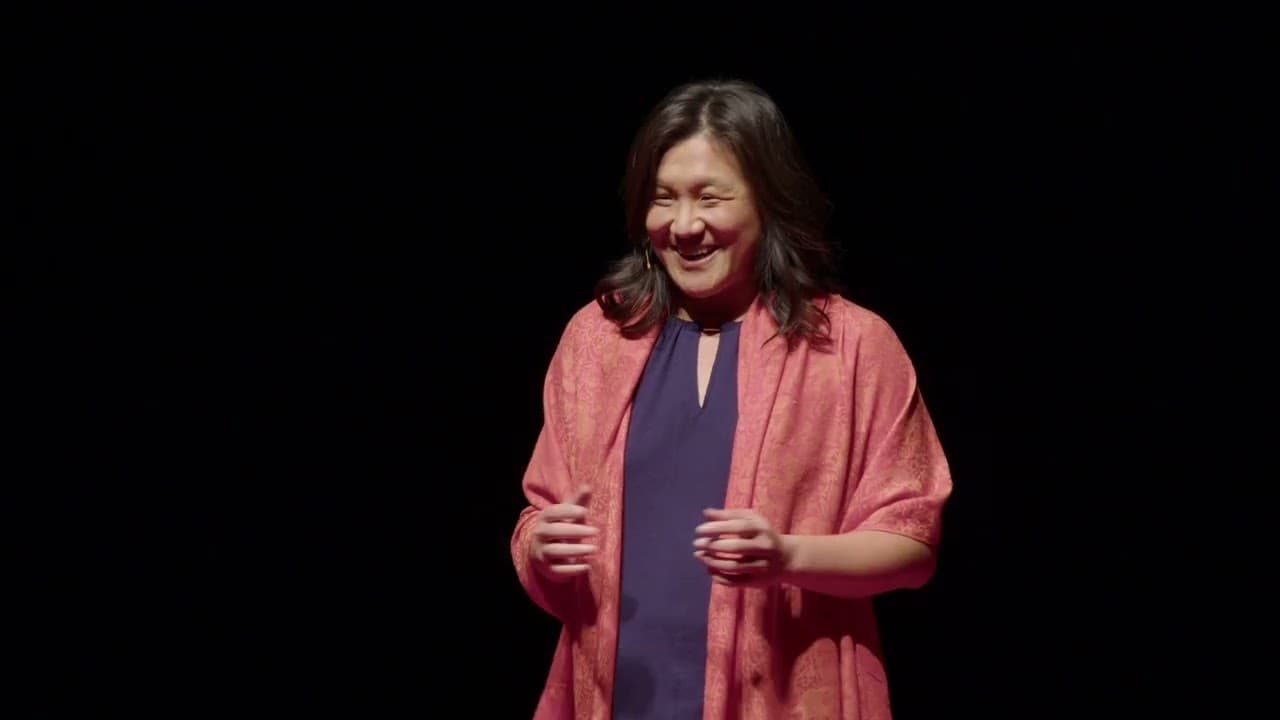
Worldschooling: Let the World Be Our Classroom and Playground | TEDx

A TEDx talk making the case for worldschooling β€” using travel, cultural immersion, and real-world experiences as the primary vehicle for children's education β€” with evidence that learning through living produces confident, adaptable, globally aware young people.

14 minΒ·TEDx Talks
View

Embracing Divergent Parenting: The Case for Worldschooling

A Psychology Today piece on the worldschooling movement explores how raising children in continuous travel cultivates cultural awareness, adaptability, language acquisition, and global perspective β€” while honestly examining the challenges of social continuity, college preparation, and the mental load on parents who are also their children's full-time educators.

Psychology TodayΒ·Mar 2023
View

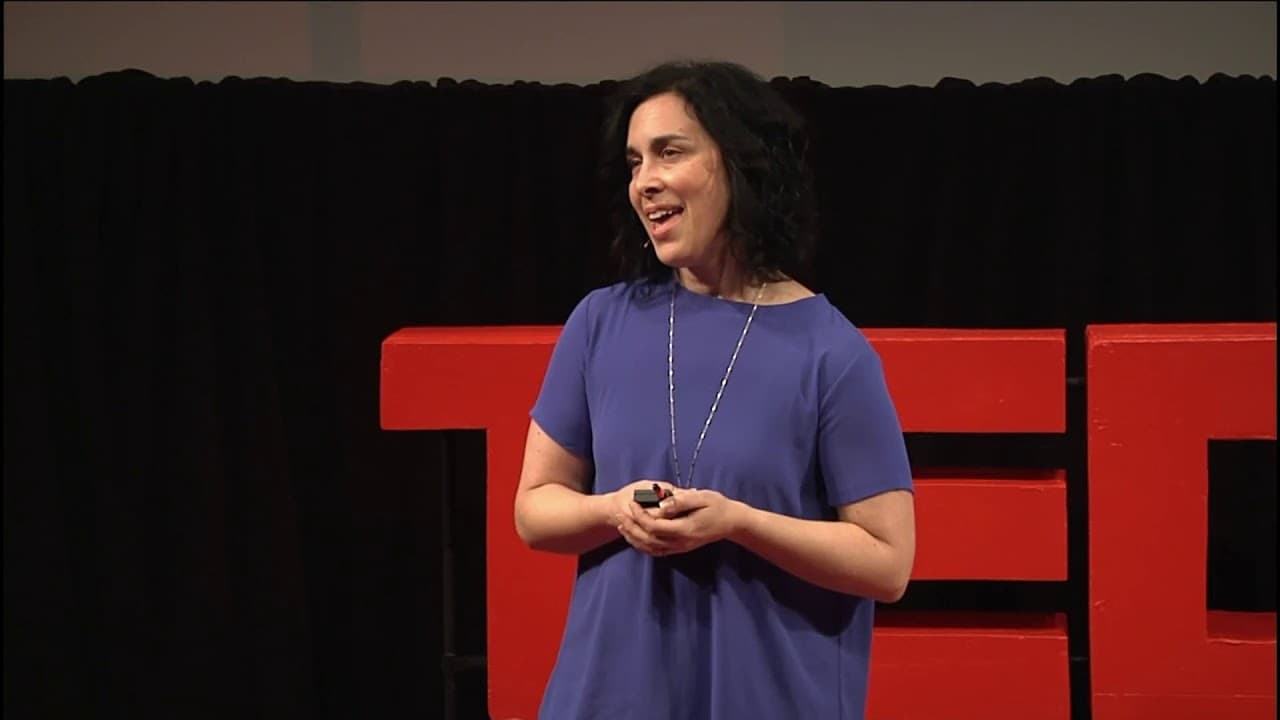
How Open Dialogue Can Develop More Self-Directed Learners β€” Paulette Unger | TEDx

Educator Paulette Unger's TEDx talk on how shifting from teacher-directed instruction to genuine dialogue and inquiry transforms students into self-directed learners β€” drawing on her classroom experience and the research behind student-led learning.

12 minΒ·TEDx Talks
View

How We See Self-Directed Education β€” Akilah S. Richards

Alliance for Self-Directed Education co-founder Akilah S. Richards offers a compelling, personal overview of self-directed education β€” what it is, why it matters for children of color, and how families across income levels are making it work outside traditional schooling.

20 minΒ·Alliance for Self-Directed Education
View
🎬Video

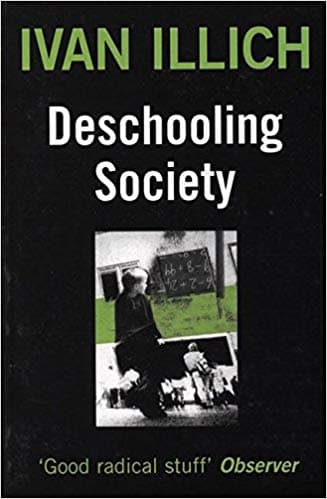
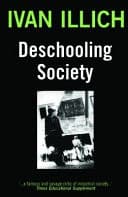
Ivan Illich's Deschooling Society: A 50-Year Retrospective

A thoughtful lecture exploring Ivan Illich's radical 1971 critique of compulsory schooling β€” his argument that schools institutionalize inequality, monopolize learning, and destroy authentic education β€” and asking how prescient his vision of networked learning has turned out to be in the age of the internet and self-directed education.

48 minΒ·Schumacher College
View

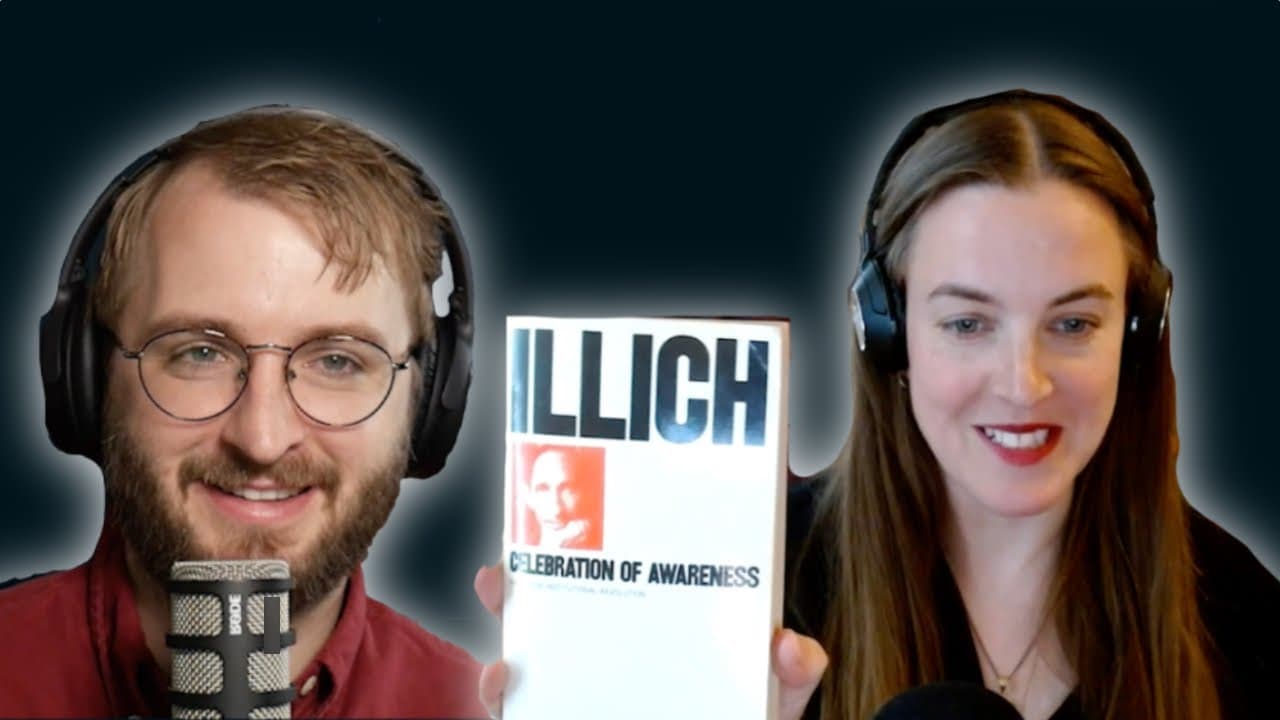
Ivan Illich: Deschooling and Conviviality β€” with Nina Power

A scholarly yet accessible conversation on Ivan Illich's prescient critiques of compulsory schooling β€” his concept of 'learning webs,' his vision for convivial tools, and why Deschooling Society (1971) remains urgently relevant in the age of the internet and self-directed learning.

45 minΒ·Justin Murphy
View

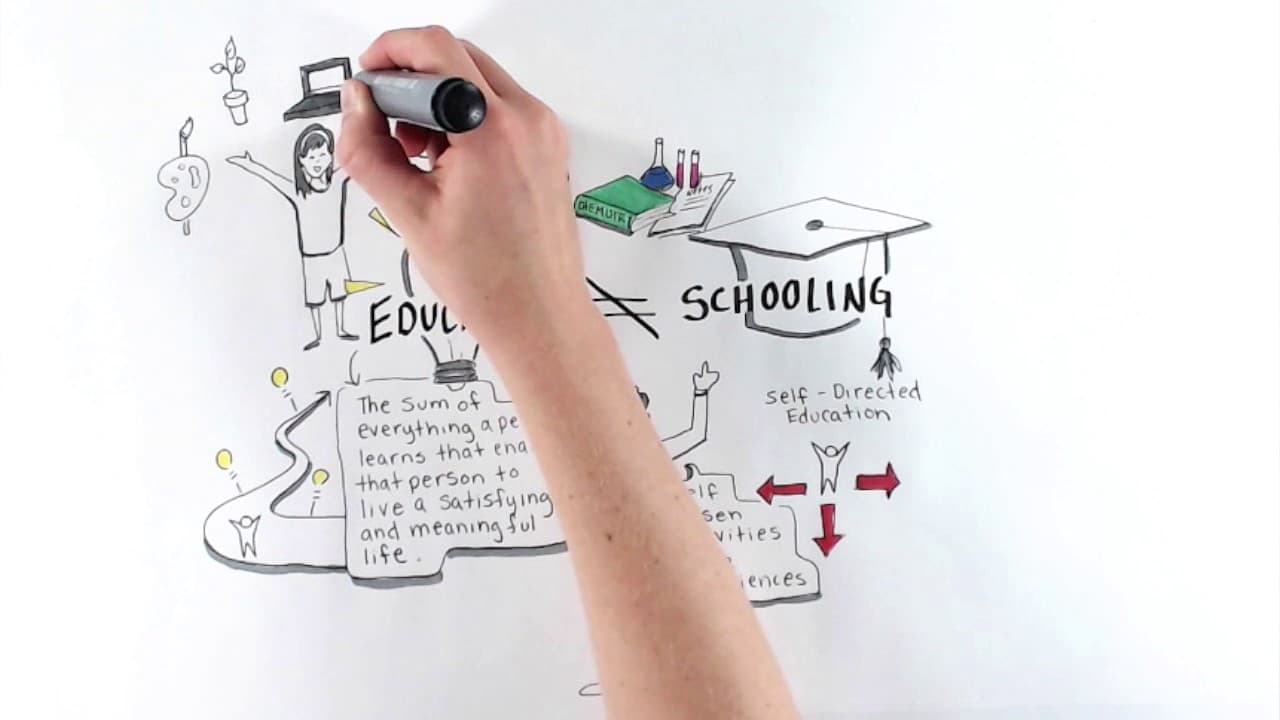
What Is Self-Directed Education? β€” Alliance for Self-Directed Education

The Alliance for Self-Directed Education explains what self-directed education actually means β€” the distinction from unschooling, democratic schooling, and homeschooling β€” and why centering children's agency and intrinsic motivation is both philosophically grounded and practically achievable.

10 minΒ·Alliance for Self-Directed Education
View

Deschooling Society Revisited: Ivan Illich After Lockdown

Education scholar David Buckingham revisits Ivan Illich's 1971 manifesto in the context of pandemic school closures and the growing alternative education movement. He finds that Illich's critique of compulsory schooling and his vision of learner-led learning webs anticipates much of what the internet has made possible β€” while also identifying the limits of that optimism.

David Buckingham β€” Reflections on Media and EducationΒ·Apr 2021
View

Hunt, Gather, Parent: What Ancient Cultures Can Teach Us About the Lost Art of Raising Happy, Helpful Little Humans

NPR science reporter Michaeleen Doucleff spent time with Maya, Inuit, and Hadzabe families studying how they raise cooperative, helpful, and emotionally regulated children without the power struggles and behavioral problems common in Western parenting. Her findings challenge the dominant parenting paradigm and point toward more autonomy-supportive, community-embedded approaches.

Michaeleen DoucleffΒ·2021
View

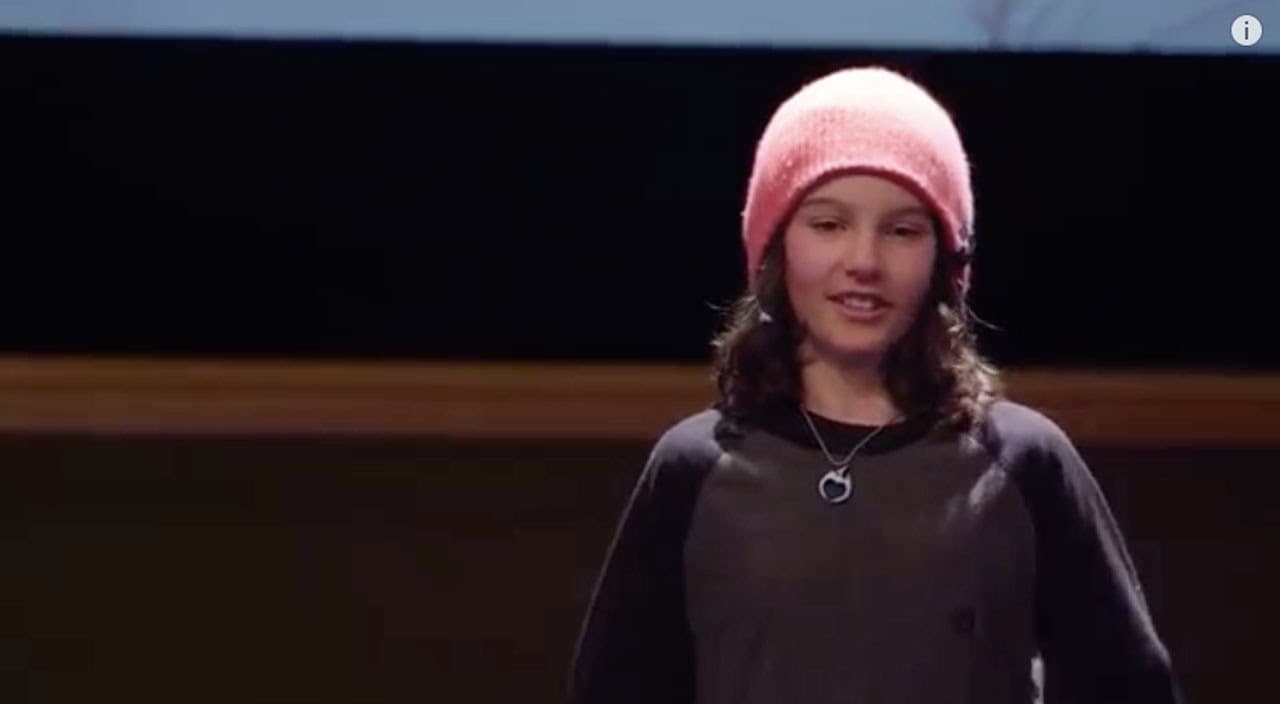
Hackschooling Makes Me Happy β€” Logan LaPlante | TEDx

13-year-old Logan LaPlante's breakout TEDx talk on 'hackschooling' β€” how he designs his own education by treating learning as a creative, adaptive process focused on happiness and health β€” one of the most-watched alternative education talks ever given by a young person.

11 minΒ·TEDx Talks
View

The Brave Learner: Finding Everyday Magic in Homeschool, Learning, and Life

Julie Bogart, founder of Brave Writer, offers an inspiring vision of homeschooling as a partnership between parent and child, built around enchantment, curiosity, and connection rather than rigid curriculum compliance. She provides practical strategies for creating a learning environment where both parents and children thrive.

Julie BogartΒ·2019
View

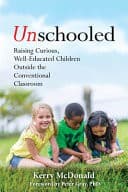
Unschooled: Raising Curious, Well-Educated Children Outside the Conventional Classroom

Kerry McDonald makes a well-researched, accessible case for self-directed education outside conventional schooling, profiling unschooling families across the US and examining the research on intrinsic motivation, mastery learning, and the long-term outcomes of self-directed learners. A clear-eyed introduction for skeptical parents.

Kerry McDonaldΒ·2019
View

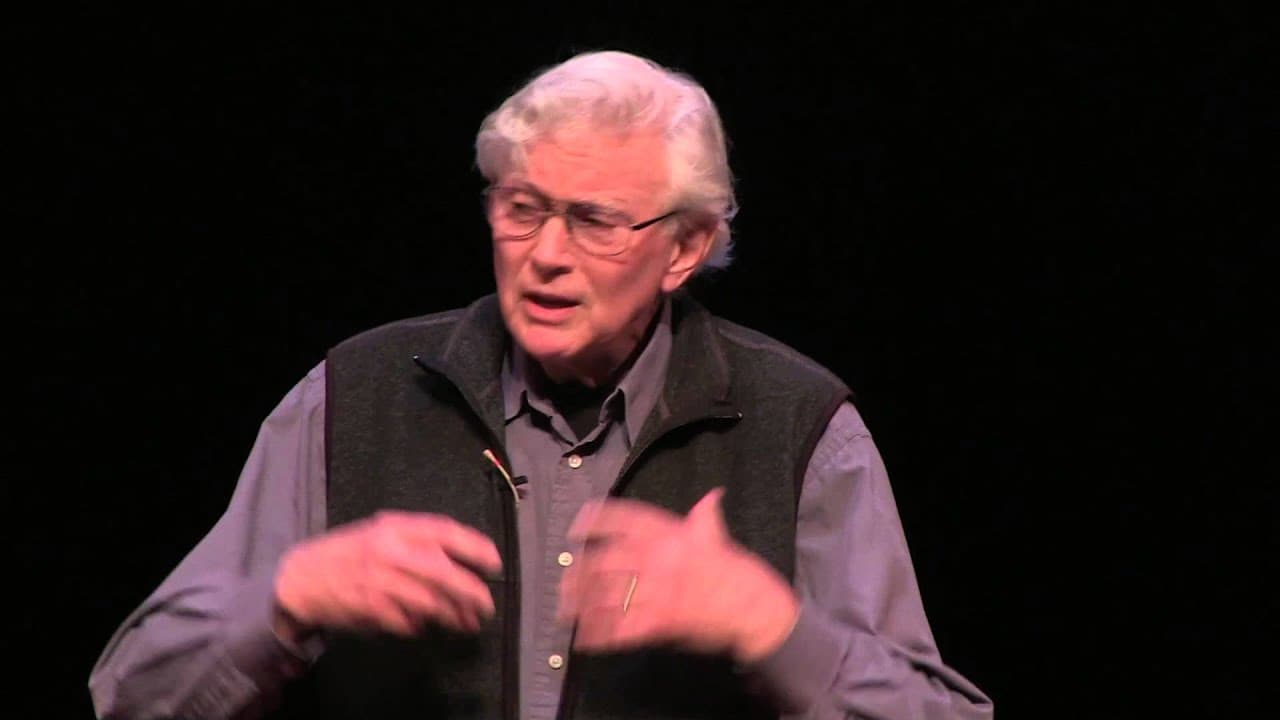
How Our Schools Thwart Passions β€” Peter Gray

In this TED talk, psychologist Peter Gray argues that schools systematically extinguish children's natural curiosity and passion through extrinsic rewards and punishments β€” and that self-directed, interest-led learning not only preserves those passions but produces deeper competence than conventional instruction.

15 minΒ·TED
View

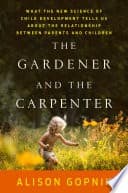
The Gardener and the Carpenter: What the New Science of Child Development Tells Us About the Relationship Between Parents and Children

Alison Gopnik, one of the world's leading child development researchers, argues that the modern obsession with 'parenting' as a goal-directed activity β€” shaping children into specific outcomes β€” is both scientifically misguided and harmful. Instead, she proposes a gardener model: creating a rich, safe environment and allowing children's natural curiosity and play to drive their development.

Alison GopnikΒ·2016
View

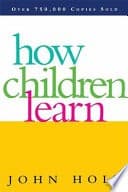
How Children Learn

A companion to How Children Fail, this seminal book by John Holt observes how young children learn through play, exploration, and curiosity before formal schooling gets in the way. Holt argues that children are naturally brilliant, fearless learners and that our job as adults is to protect that drive, not direct it.

John HoltΒ·1983
View
We are partially ad-funded!